What Happened
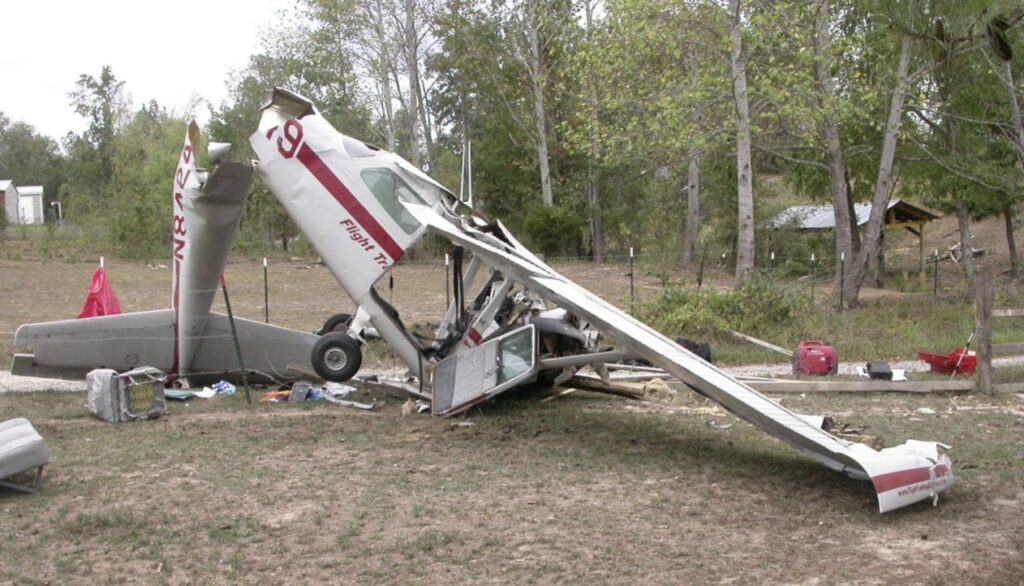
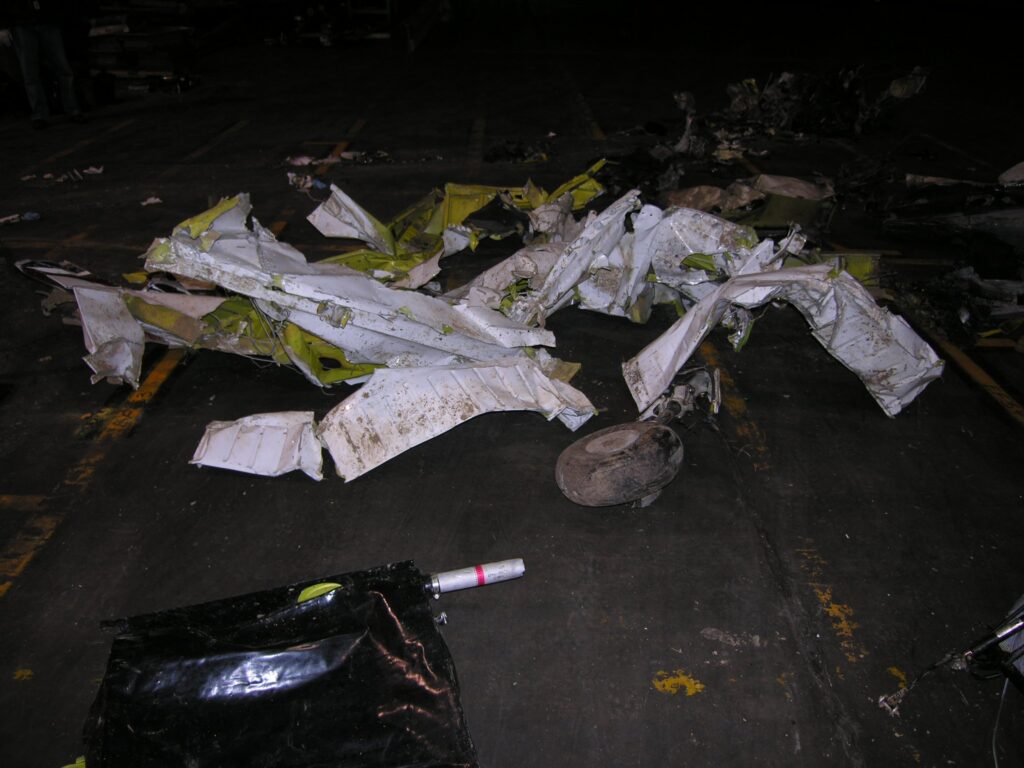
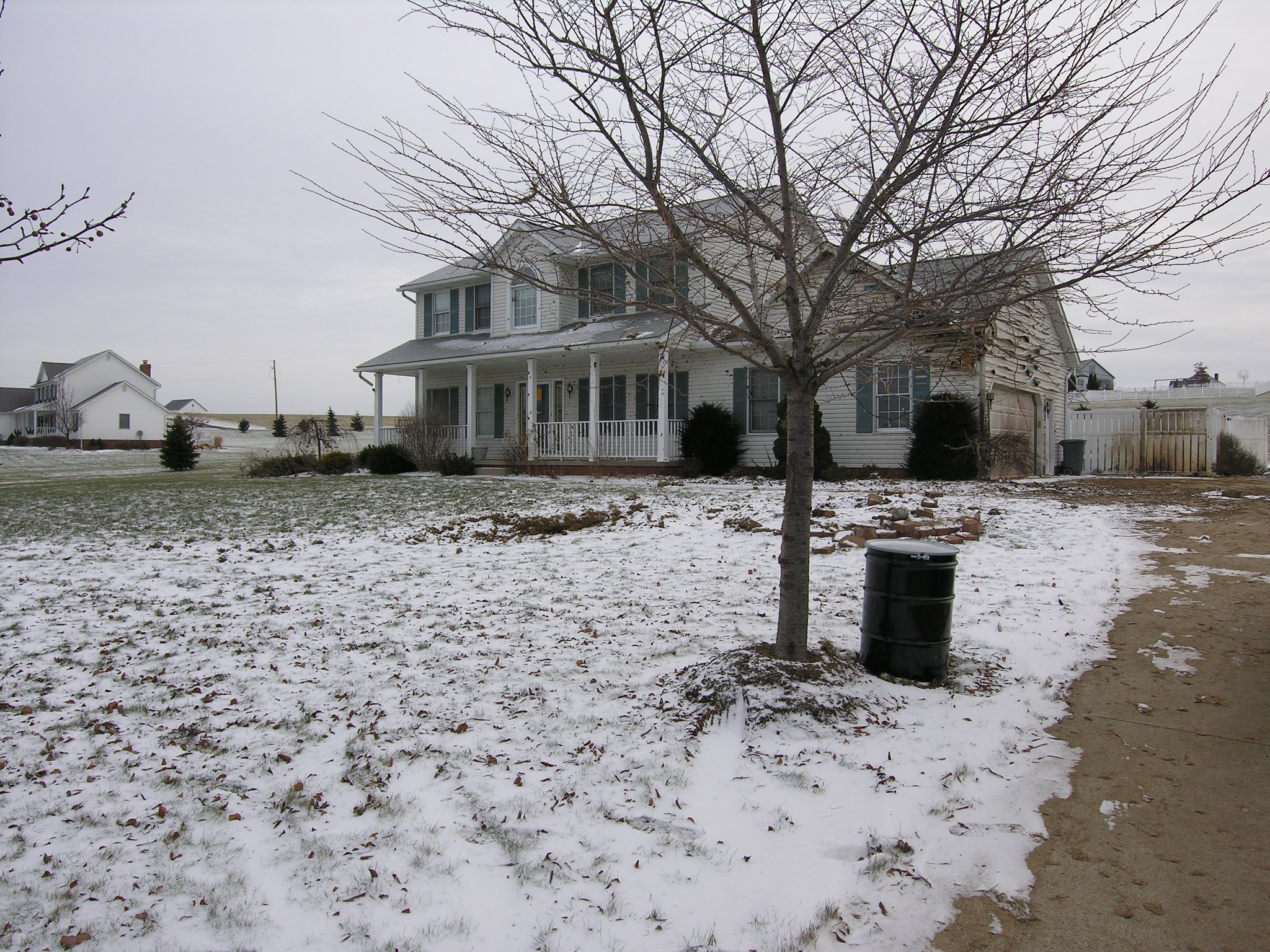
On December 19, 2008, at approximately 1753 eastern standard time, a 1997 Piper PA-32R-301T, registered N9299N, struck the front lawn of a vacant house about 2.6 miles east-northeast of Akron-Canton Regional Airport (CAK) in North Canton, Ohio. A post-crash fire destroyed the airplane. The pilot, the sole occupant, was fatally injured. Night instrument meteorological conditions prevailed at the time of the accident.
The day had started to show its hand well before the airplane ever left College Park, Maryland. At 1427, a person representing N9299N called the Raleigh Automated Flight Service Station for a weather briefing. Within the first few minutes of the call, the caller told the briefer he was trying to figure out if departing around 1500 sounded like a “suicide mission or not.” That phrase alone tells you where the pilot’s mind was: he already sensed the weather was marginal, and he was looking for permission, not information.
The briefer walked him through it. AIRMET Zulu was in effect for moderate icing from the freezing level to 20,000 feet across the route. At the time of the briefing, the freezing level over CAK was around 3,000 to 4,000 feet, and the briefer said it could drop further as the day progressed. The terminal forecast for CAK showed conditions going from bad to worse through the afternoon: a ceiling of 400 feet overcast and 1 statute mile visibility around 1700, transitioning to light freezing drizzle, snow, and mist by 1800. The pilot proposed cruising at 6,000 feet and wanted to know if that would keep him above the freezing rain. The briefer noted that freezing precipitation appeared to be concentrated toward north and central Pennsylvania, and the radar wasn’t showing frozen precipitation at the time. But the forecast was clear about what was coming into the destination by early evening. The caller filed a flight plan without an alternate airport. The briefing ran about 20 minutes. The pilot departed CGS roughly 45 minutes after it ended, at approximately 1531.
The flight north and west was largely uneventful. At 1642, in response to a Cleveland ARTCC request for flight conditions, the pilot reported encountering “moderate chop.” He never reported icing, though the conditions along the route were clearly present. As N9299N approached CAK, the weather was deteriorating exactly as forecast. At 1735, the CAK ASOS reported broken clouds at 700 feet AGL and overcast at 1,400 feet AGL. By 1751, the ceiling had dropped to broken 500 feet AGL and overcast at 1,000 feet AGL. Temperature was sitting right at 1 degree Celsius with a dew point of negative 1. The freezing level was near the surface, and multiple pilots operating into and out of CAK that evening were reporting rapid ice accumulation between 3,000 and 3,500 feet. A Beechcraft Baron pilot who flew the ILS 23 approach just minutes earlier reported mixed icing accumulating at 1.25 inches on portions of the wing. A Cessna 421 crew that landed around the same time reported 1 to 2 inches of ice on unprotected surfaces, increased power settings just to maintain airspeed, and a hard landing. The Piper PA-32R-301T, it should be noted, was not equipped with any anti-ice or deice system and was not approved for flight in icing conditions.
At 1749:42, the local controller issued N9299N a vector to the ILS 23 final approach course, instructed the pilot to fly heading 250 degrees to intercept the localizer, maintain 3,200 feet until established, and cleared him for the approach. The pilot read it back at 1749:52. In that same transmission, a sound spectrum analysis of the audio recording later confirmed the engine was turning 2,458 rpm, consistent with normal cruise power. The pilot also asked the controller if there were any pilot reports of icing below 6,000 feet. There were none on file at that moment. The controller asked the pilot to advise if he encountered any. N9299N never reported icing.
At 1751:16, the pilot checked in with CAK tower and was cleared to land runway 23. The controller immediately advised the pilot that he was left of the localizer. The pilot replied that he was correcting. But the radar track told a different story. N9299N was not correcting to the right. The airplane continued on a course that ran left of and nearly parallel to the approach course centerline. At 1752:31, the tower controller came back: N9299N was still well to the left of the localizer, and did he want to go around? The pilot asked for a repeat. The controller repeated the advisory. The pilot responded that he wanted to correct. The controller acknowledged and confirmed the landing clearance.
Seconds later, the airplane briefly turned right toward the centerline. Then it rolled into approximately a 30-degree left bank and began turning away from the approach course. At 1753:02, the pilot transmitted that he wanted to do a 360-degree turn to reestablish himself on the approach. He had already started the turn before the controller responded. The controller said he was unable to approve the request and instructed the pilot to climb and maintain 3,000 feet. The left bank continued to increase, reaching about 40 degrees. The controller asked for the pilot’s present heading. The pilot responded that he was heading “due north and climbing.” Radar data showed the airplane was in a sustained left turn, not tracking north. Pitch climbed above 20 degrees with the airplane still in a 30 to 40-degree left bank, and airspeed was decreasing significantly. At 1753:50, the engine was now turning 2,497 rpm. In that same transmission, the pilot declared an emergency. The controller told him to maintain altitude and that the airport was two miles west. The pilot did not respond.
The left turn continued with a decreasing radius until N9299N dropped off radar. A witness standing outside his home heard a loud engine sound coming from the north, sounding as though the pilot was trying to accelerate rapidly. Then he saw two bright lights coming almost nose-first toward the ground with the engine roaring. The airplane disappeared below the tree line. The Piper impacted the ground in a nose-down, left-wing-low attitude, at an elevation of 1,163 feet MSL.
Investigation Findings
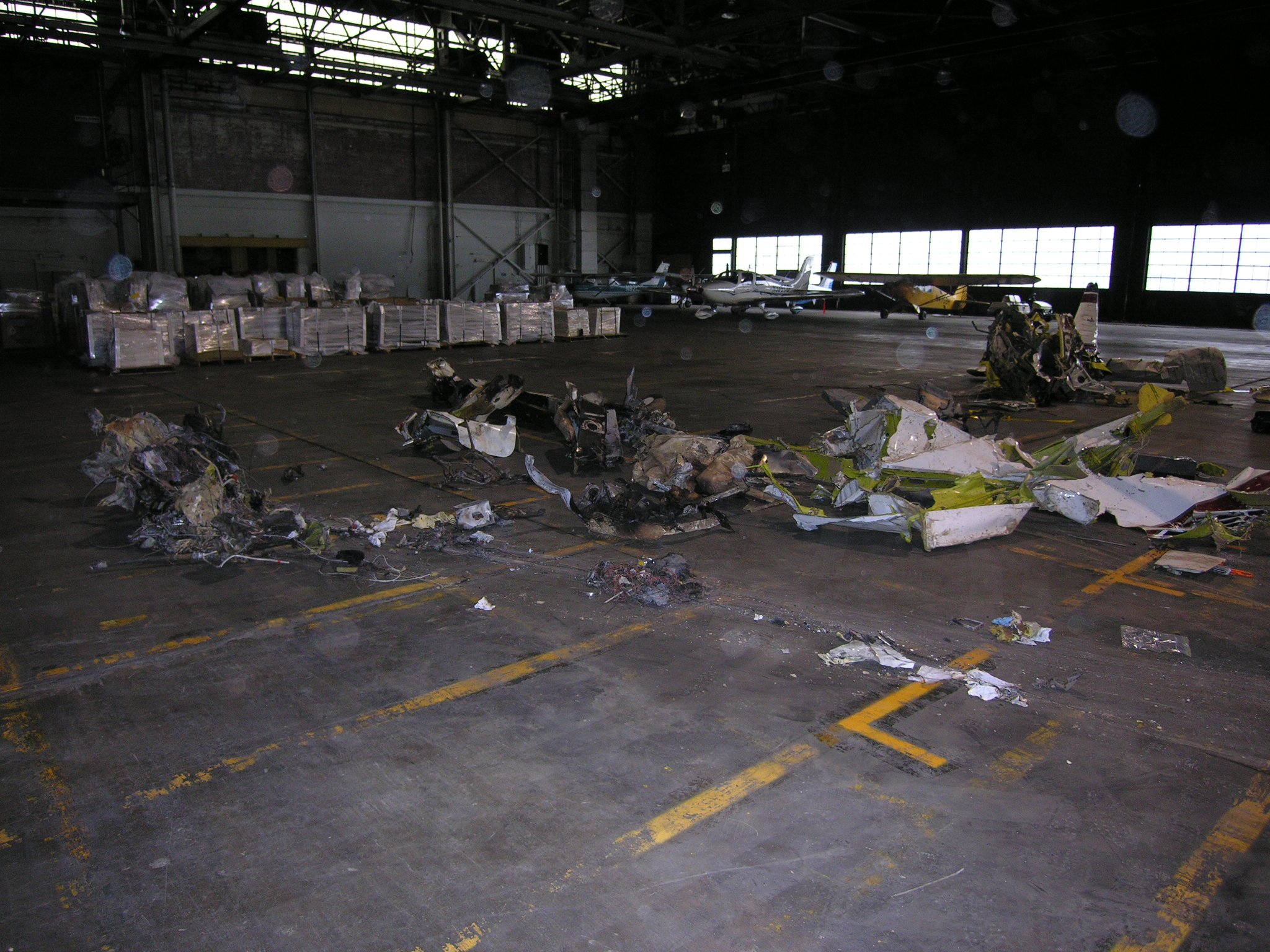
Post-accident examination of the airframe, flight control system, autopilot system, and vacuum systems revealed no anomalies that would have precluded normal operation. The engine was shipped to Textron Lycoming for teardown examination. Internal components were wetted with oil and none of the engine components displayed signatures consistent with a power loss or mechanical failure prior to impact. The NTSB sound spectrum study of ATC audio recordings confirmed the engine was producing power through the final radio transmission. There were no aural cockpit warnings audible on any of the recorded transmissions.
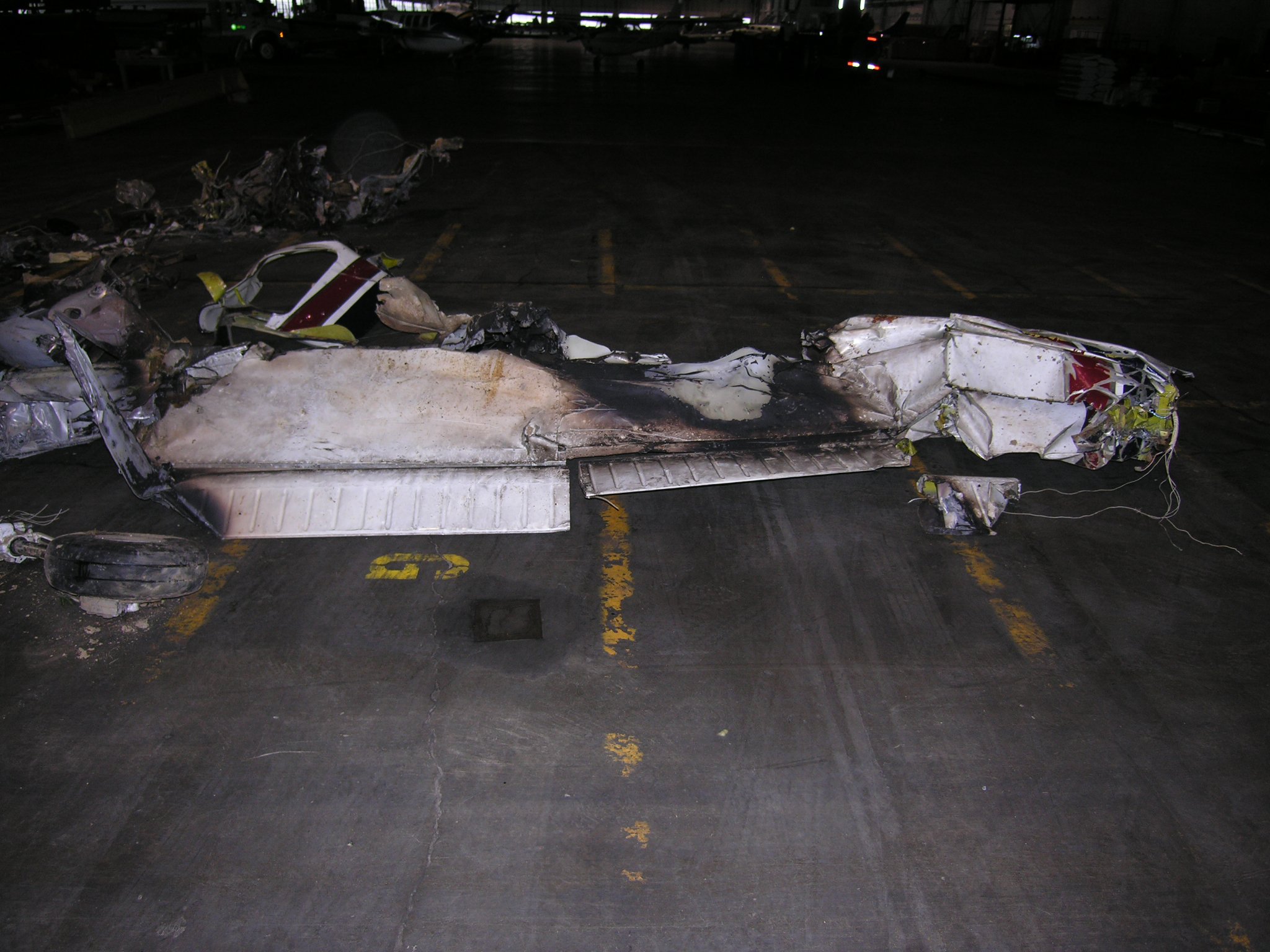
Wreckage examination showed the left wing sustained greater damage than the right wing, and the left horizontal stabilizer displayed greater relative damage than the right. The outer portion of the left horizontal stabilizer was separated approximately midspan, with inward crushing at the separation point. Ground scarring at the impact site was oriented along a heading of approximately 120 degrees. The landing gear was extended. Two propeller blades remained attached to the hub, one with S-shaped bending consistent with rotation under power at impact. These findings were consistent with a nose-down, left-wing-low, high-descent-rate impact, not a controlled landing attempt.
The NTSB meteorological analysis concluded a high probability of encountering supercooled large droplet (SLD) icing in the area. SLD icing is particularly hazardous because the droplets can impinge on unprotected surfaces aft of the leading edge, in areas that even deice boots would not cover. The Pittsburgh upper air sounding from 1900 placed the freezing level at 3,906 feet MSL, with light snow to moderate rime icing conditions probable between that altitude and 7,500 feet. The Beechcraft Baron, Cessna Citation, and Cessna 421 pilots operating near the same time all reported rapid ice accumulation, some reporting 1 to 2 inches within 15 minutes. N9299N was not equipped with any deicing or anti-icing systems and was placarded against flight in known icing conditions.
Post-accident toxicology testing identified chlorpheniramine in the pilot’s blood, liver, gastric contents, and heart. Chlorpheniramine is a sedating over-the-counter antihistamine. It was not among the medications the pilot had listed on his medical certificate application, which noted only fexofenadine, azelastine nasal spray, and minocycline. Pseudoephedrine was detected in the liver. Putrefaction was present in the remains, and ethanol was detected in muscle tissue, though not in the brain, making a determination of impairment from alcohol inconclusive. The investigation could not definitively determine whether the chlorpheniramine contributed to the pilot’s performance, but its presence was noted.
Radar data analysis established the sequence of the airplane’s final maneuvers with precision. The approach track showed N9299N consistently left of the ILS 23 centerline, with a gradual descent that had the airplane below the glidepath. When the pilot attempted the steep climbing turn in response to the controller’s instruction, pitch exceeded 20 degrees nose-high while the airplane remained in a 30 to 40-degree left bank. Airspeed decreased rapidly. The airplane then entered a spiral-like dive consistent with an aerodynamic stall during maneuvering flight. The pilot’s report that he was heading “due north” while the radar showed him in a continuous left turn was a clear indicator that he had lost accurate awareness of the airplane’s orientation.
NTSB Probable Cause
The pilot’s inappropriate control inputs as a result of spatial disorientation, which led to an aerodynamic stall and loss of control. Contributing to the accident were the pilot’s decision to conduct flight into known icing conditions, ice accumulation that reduced the airplane’s aerodynamic performance, and the pilot’s failure to initially intercept and establish the airplane on the proper approach course.
Safety Lessons
There are several things converging in this accident that make it worth sitting with, because none of them are rare. A marginal weather day, a non-icing-certified airplane, a pilot who knew the risks and departed anyway, and then a spatial disorientation event during the most demanding phase of flight. Here is what the sequence tells us.
- A weather briefing that confirms danger is not a green light. The pilot heard “moderate icing from the freezing level to 20,000 feet,” a freezing level dropping to 3,000 to 4,000 feet at the destination, and a forecast for freezing drizzle and snow by 1800. He asked whether it sounded like a suicide mission. He then filed without an alternate and departed 45 minutes later into exactly what the briefer described. The briefing worked as designed. The pilot received accurate, timely information about a serious hazard. What did not work was the decision-making process that treated that information as a hurdle to clear rather than a stop signal. For a pilot flying an aircraft placarded against known icing, AIRMET Zulu and a dropping freezing level at the destination is a no-go. Full stop.
- Spatial disorientation accelerates during high-workload, unusual-attitude recoveries. The vestibular system cannot detect sustained turns. After several minutes in a continuous left bank, the pilot’s inner ear told him he was wings-level. When he rolled right in response to ATC advisories, that correction felt like a left bank. When the controller then told him to climb without delay, he applied pitch and power while his vestibular system was feeding him false information about his bank angle. The radar track showed increasing left bank and decreasing radius, not a climbing recovery. The only instrument that was right was the attitude indicator. The only antidote in that moment was to believe it over the seat-of-the-pants feeling. That requires currency and recent instrument practice specifically in unusual attitude recovery, not just flying approaches in benign conditions.
- Ice accumulation on a non-protected airplane degrades performance faster than most pilots anticipate. The Beechcraft Baron pilot with deicing equipment reported 1.25 inches of ice and breaking out at 400 to 500 feet. The Cessna 421 crew reported 1 to 2 inches, difficulty extending the gear, and a hard landing. Both of those aircraft had systems to fight the ice. N9299N had nothing. Even a thin layer of rime ice on the leading edge changes the stall speed, the stall characteristics, and the amount of pitch authority available. When the pilot pulled back above 20 degrees nose-high in a 30 to 40-degree bank with an unknown accumulation of ice on the wings, the margin between flying and stalling was already narrower than the numbers in the POH would suggest. The POH numbers assume a clean airplane.
Frequently Asked Questions
Q: Was the Piper PA-32R-301T approved for flight in icing conditions?
A: No. The airplane’s flight manual explicitly stated it was not approved for operations in icing conditions, and it was not equipped with any anti-ice or deice system. The pilot knowingly flew into conditions where active icing had been forecast and was occurring, with a freezing level near 3,900 feet MSL and multiple pilot reports of rapid accumulation between 3,000 and 3,500 feet.
Q: What caused the pilot to lose control of the airplane during the ILS approach?
A: The NTSB determined the primary cause was spatial disorientation leading to inappropriate control inputs, an aerodynamic stall, and loss of control. The pilot was maneuvering at night in IMC after a sustained series of turns that are consistent with producing somatogyral vestibular illusions. His report that he was heading “due north” while radar showed him in a continuous left turn indicated he had lost accurate orientation. Ice accumulation on the unprotected airframe likely reduced the stall margin and aggravated the stall characteristics once the airplane entered a steep climbing turn.
Q: What is a somatogyral illusion and how does it relate to this accident?
A: A somatogyral illusion occurs when the vestibular system’s semicircular canals adapt to a sustained turn and stop sensing rotation. When the turn stops or the bank angle changes, the pilot feels a false sensation of turning in the opposite direction. In this accident, the pilot had been in sustained left turns for several minutes. When he attempted to correct his bank angle in response to ATC instructions, his inner ear likely signaled that the correction itself was a bank, leading him to re-enter or deepen the left bank. The only reliable counter is trusting the attitude indicator over physical sensation, which requires deliberate practice under an instructor.
Q: Did the pilot have an instrument rating?
A: Yes. The pilot held a private pilot certificate with single-engine land and instrument airplane ratings. He received his instrument rating on June 19, 2006, at 282 total hours. His most recent medical application from October 2007 showed 510 total hours with 50 hours in the prior 6 months. His logbook was damaged in the post-crash fire and his recent instrument currency and actual IMC experience could not be determined from the wreckage.
Q: Why did the pilot not file an alternate airport given the forecast weather at CAK?
A: The investigation does not offer a direct explanation. Under IFR filing rules, an alternate is required when the destination forecast calls for ceilings below 2,000 feet or visibility below 3 miles during the period from one hour before to one hour after the estimated time of arrival. The CAK forecast for that window called for ceilings of 400 feet and 1 statute mile visibility, which clearly met the alternate requirement. Filing without an alternate under those conditions was contrary to regulations and removed a critical fallback option from the flight.