Read enough accident reports and you'll notice a pattern that shows up that has nothing to do with the pilot. Maybe it's the company's own manual that required a briefing that never happened. Perhaps the FAA had warned about the same issue for six years but nothing ever changed.
In case after case, somebody reported a problem, but nothing ever changed. By the time the NTSB gets involved, sometimes it turns out the organization knew about the risk.
A safety management system exists to close that gap.
Safety is built before, during, and after every flight. Clear leadership guidance, translated through a disciplined brief, aligns the team before execution. Mutual support gives people the responsibility to speak up, challenge something that doesn't look right, and back each other up while the operation is underway. A structured debrief then identifies gaps, examines the human factors behind them, and turns experience into specific change. Briefing aligns the team, mutual support protects it, and debriefing makes it better.
If your safety system isn't identifying and mitigating risks, then your operation is likely an accident waiting to happen. The test isn't whether your manual describes safety assurance, it's whether you can name the last thing the system found and what changed because of it.
Compliance is the entry point, not the goal. There are plenty of vendors who will sell you an SMS that satisfies the FAA requirements. Those are legitimate products and sometimes it's what you need. However, our goal is to go beyond the manual: to operationalize safety, mitigate risk, and save lives.
Being behind on this is normal. Most operators we talk to haven't even started working towards the deadline or they gave it their best shot but have no idea if what they did is right. We're not here to judge. We're here to help.
We tell you when you don't need us. If what you need is smaller than what we provide, we'll say so and point you somewhere else. We would rather have the referral in two years than the wrong engagement now.
Both of us flew the F-15E and both of us spent years running formal debriefs where the standard was learning fast enough to not repeat the mistake. Now we both fly for the airlines and have dedicated most of our lives to aviation safety.
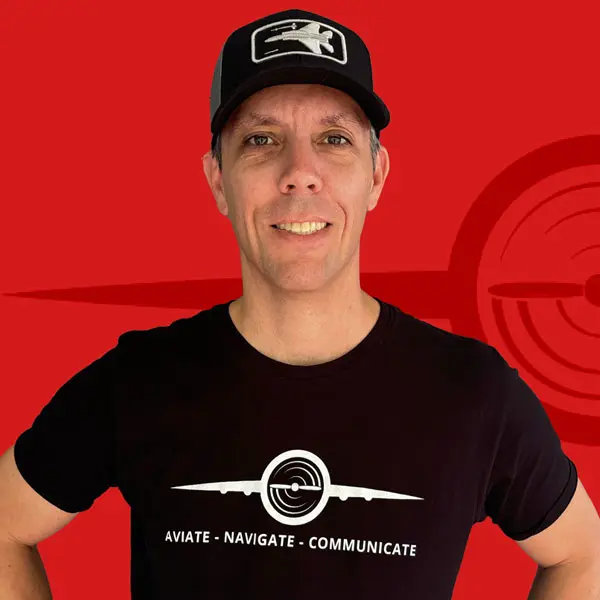
Trevor "Hoover" Smith. Hoover is a retired U.S. Air Force F-15E Strike Eagle pilot, former F-15E and F-18 instructor pilot, and a First Officer for a major US-based commercial airline with more than 5,000 hours in fighters and modern airliners. During his time in the Air Force he served as the Wing Chief of Safety, overseeing flight safety, occupational health & safety, and weapons safety for an organization comprised of 3,000+ personnel with four fighter squadrons with 100+ aircraft. After his retirement from the military he flew for a Part 135 operation while serving as the assistant Director of Safety.
Hoover founded Pilot Debrief in 2022 to bring the way fighter pilots learn from mistakes into general aviation. The YouTube channel has grown past a million subscribers by explaining NTSB reports the way you would debrief a wingman: not to assign blame, but to find the decision point where the flight could have gone differently. That's the same discipline he brings into an operator's safety program, and it's the reason we focus on what an organization knew rather than what a pilot did. Read more about Hoover here.

Brandon "Manson" Williams. Manson is a retired U.S. Air Force Lieutenant Colonel, F-15E pilot, Air Force Instructor Pilot, and Aviation Safety Officer. Manson is currently a Captain and Line Check Pilot at a major U.S. airline, where he evaluates and standardizes pilot performance. He also teaches aviation safety and human factors at several aviation universities.
Manson has spent more than two decades training, evaluating, and leading aviators across military, airline, and academic aviation. He speaks to flight schools, Part 135 operations, and aviation organizations around the country on reducing human error, improving decision making, and building accountability through clear intent and disciplined briefing and debriefing. The through-line is ownership without blame, which is the only condition under which people tell you what actually happened. Read more about Brandon here.
Part 135 SMS and operational safety. A gap analysis that tells you exactly where your SMS stands against Part 5 and what to fix first. No SMS yet? We can still help. Part 135 SMS Gap Analysis
Flight school standardization. A common way of briefing, teaching, and debriefing that survives instructor turnover. Flight School Standardization
Human performance. Keynotes, workshops, and training in decision making, debriefing, and safety leadership, built from accident investigation rather than theory. Human Performance Training