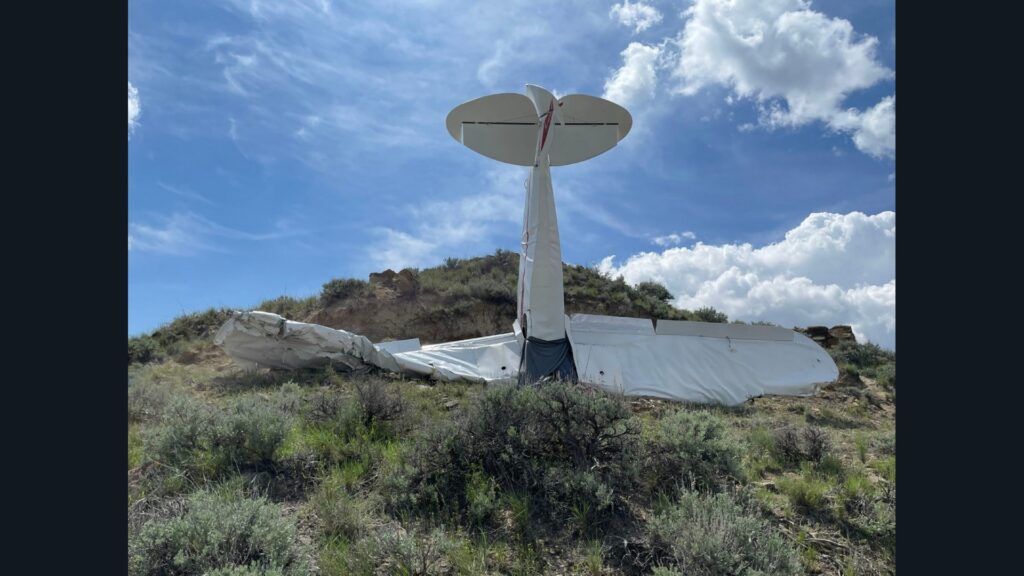
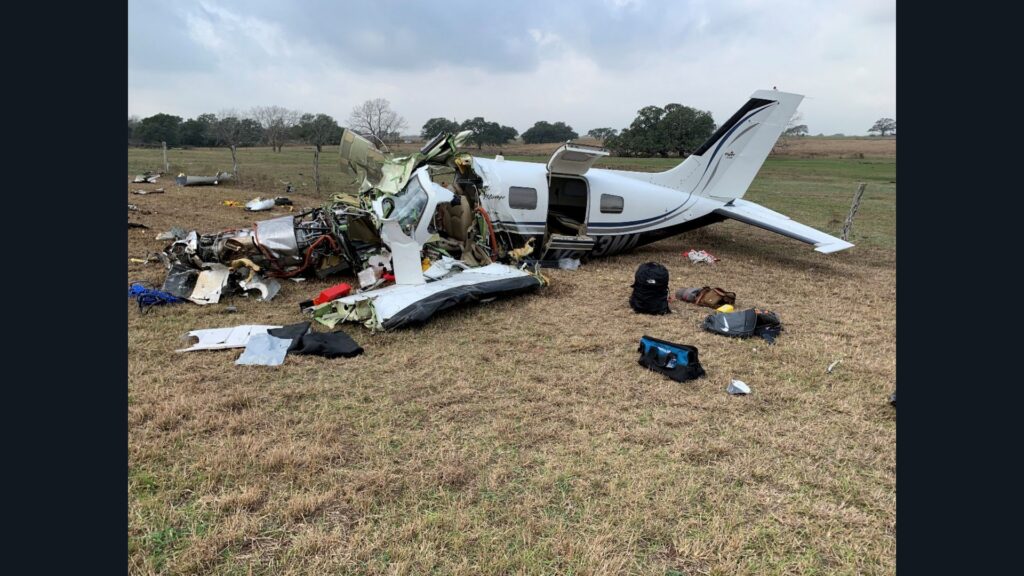
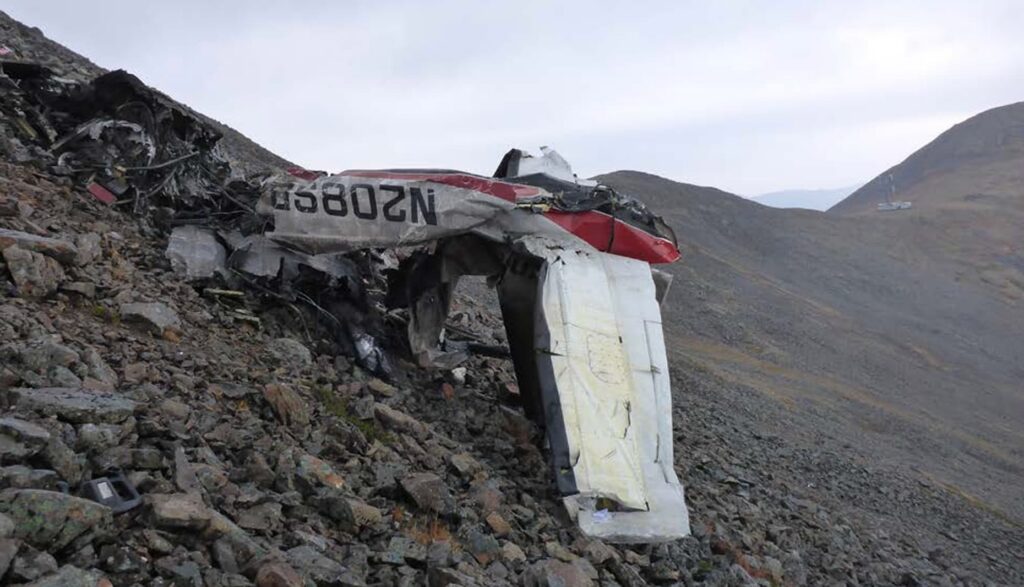
Visual flight into instrument conditions. The most lethal decision trap in general aviation.
VFR-into-IMC accidents are almost never sudden. They develop through a series of small decisions that each feel reasonable in the moment, while the margin quietly disappears. By the time the airplane is in the clouds, the pilot has already made four or five choices that perhaps looked like they were “adapting to the weather”, but they were actually “committing to a flight that no longer matched the plan.”
Most pilots who die this way did not intend to fly into IMC. They intended to get through it.
From NTSB final reports, 2008–present:
383 VFR-into-IMC accidents
79.4% involved at least one fatality
581 people killed
38.6% of aircraft destroyed on impact
Think about that second number for a minute. When a VFR-into-IMC encounter goes badly enough to become an NTSB accident, it’s fatal nearly 80% of the time. There is no other major accident category in general aviation that kills that reliably. Most pilots who scud run or clip a cloud layer walk away, but the ones who don’t almost never survive. The gap between “I got away with it” and “everyone on board is dead” is razor thin.
Now let me show you what one of these 383 tragedies looked like.
One real flight
December 19, 2015. Piper PA-32RT-300T. Cross-country personal flight, San Jose to Las Vegas.
The pilot held a private pilot certificate, issued in 2012, and he had 269.5 total flight hours, but he didn’t have an instrument rating. In February of 2014, almost two years before the crash, he logged 0.8 hours of actual instrument time. Additionally, he received about 1.5 hours of dual instruction that included two instrument approaches, but that was about 11 months before the crash.
He had flown the accident airplane for six months and only had 56 hours in type.
The plan was to fly his wife and three children from San Jose, California to Las Vegas, Nevada for a surprise party that evening. In order to prepare for the trip he got a weather briefing the night before at 10pm and then another at 6:50am on the day of the flight.
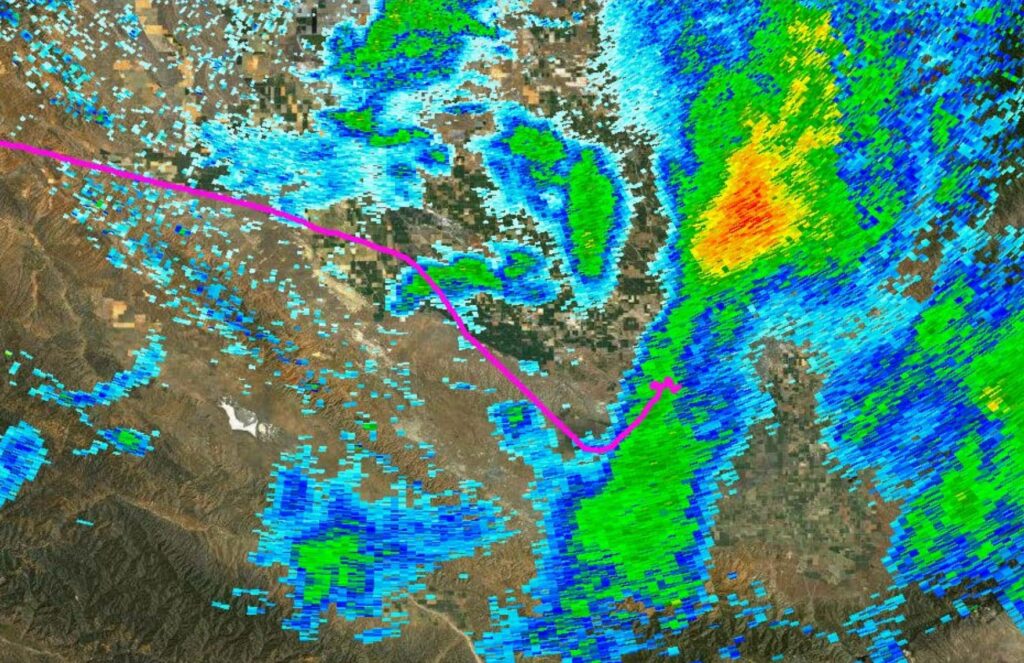
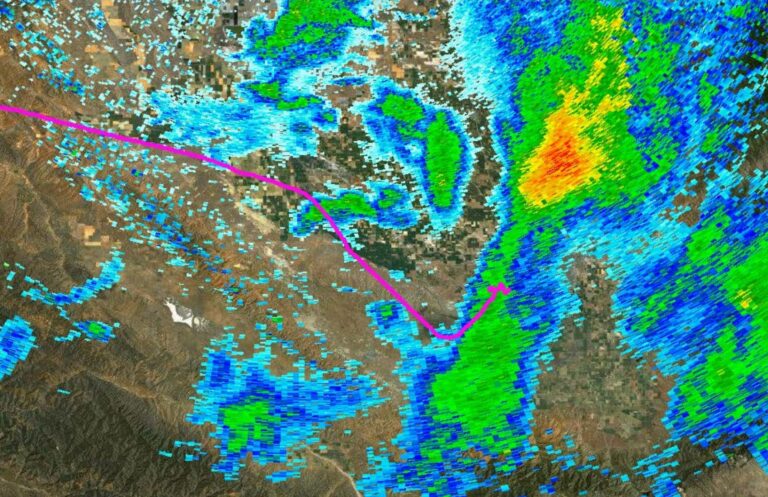
The briefs included AIRMETs highlighting IFR conditions, mountain obscuration, and moderate icing up to FL180 active along his route. The area forecast for the San Joaquin Valley called for broken ceilings at 1,000 feet, with cloud tops as high as FL200, three to five miles visibility, mist, and scattered light rain. Despite the conditions, he filed a VFR flight plan and took off around 2:30pm and asked for flight following at 15,500 feet “to stay above clouds.”
My guess is he had done this sort of thing before and likely assumed this time would be no different and he could just stay VFR above the weather. For the next hour he flew a flight that was adapting, not executing, and he kept negotiating altitude: request climb to 16,500, then 17,500, then asking when he could get to 18,000 to the tops of the clouds that another pilot was reporting. The controller warned him about precipitation ahead and beside him, then about light rime icing and the pilot said he’d deviate around it.
Finally, at 15:50, the controller asked him if he wanted an IFR clearance to Henderson. Even though he didn’t have an instrument rating or proficiency flying in the weather, he said yes, instead of just admitting he wasn’t qualified and asking for help.
The controller read the clearance and gave him a right turn to a heading of 095 and the pilot read it back. However, the aircraft didn’t turn right. It continued northeast, climbed slightly, and rolled into a left turn to 350. Forty seconds later it was at 15,600 feet, still turning the wrong way.
The controller asked him to make “an immediate right turn to 095.” By that point the Piper was descending through 13,800.
“Air traffic control, Lance 402, mayday mayday mayday.”
Twenty seconds later, a second mayday call. Then nothing.
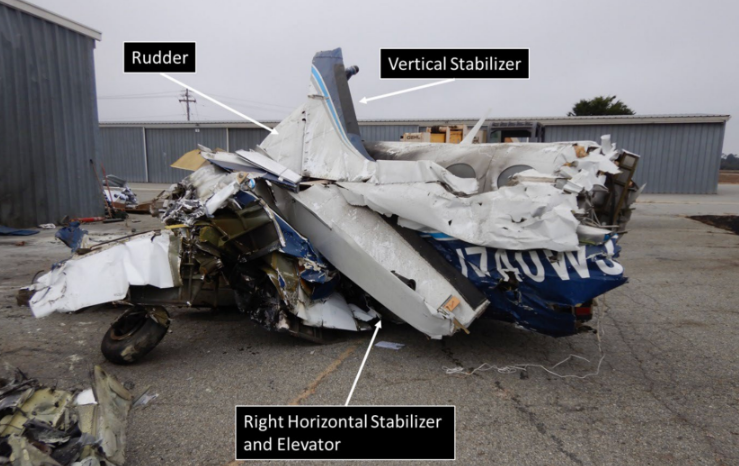
The NTSB determined that in the minute after he accepted the IFR clearance the airplane exceeded its maximum structural cruising speed, reached 168 knots, then entered a rapid turn and a load factor of 2.8 g.
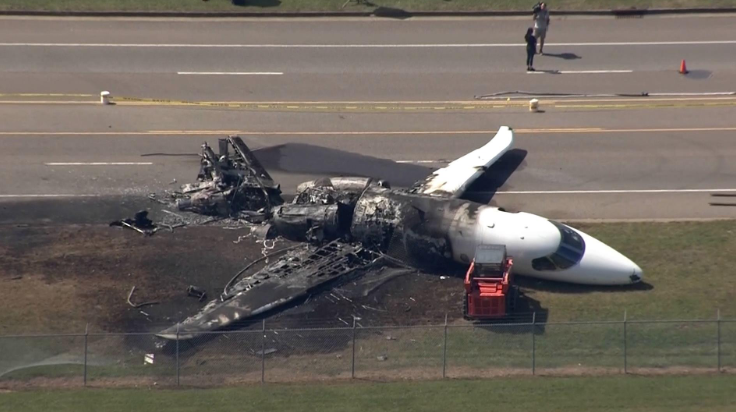
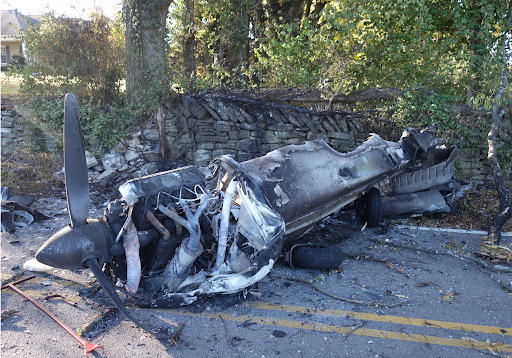
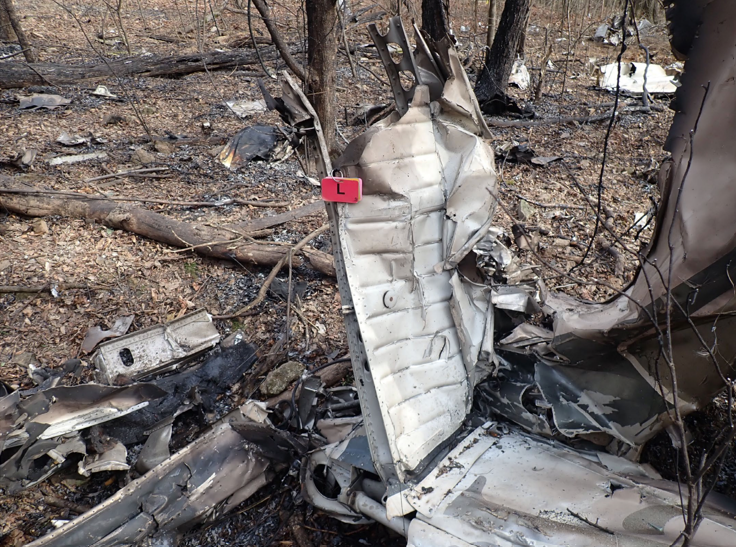
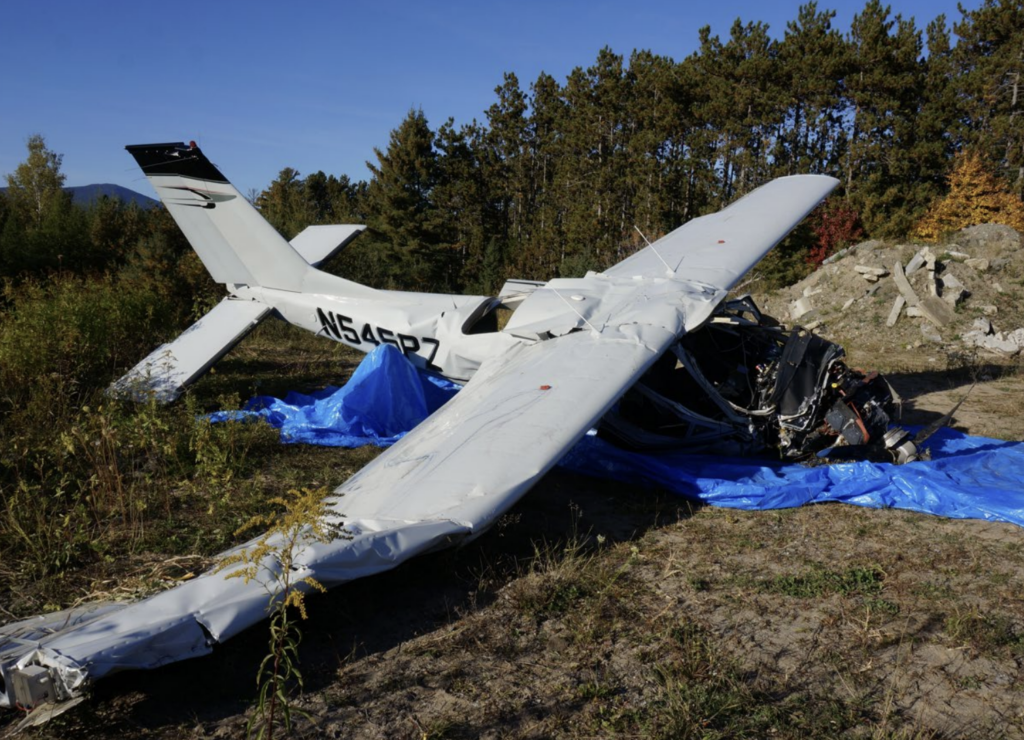
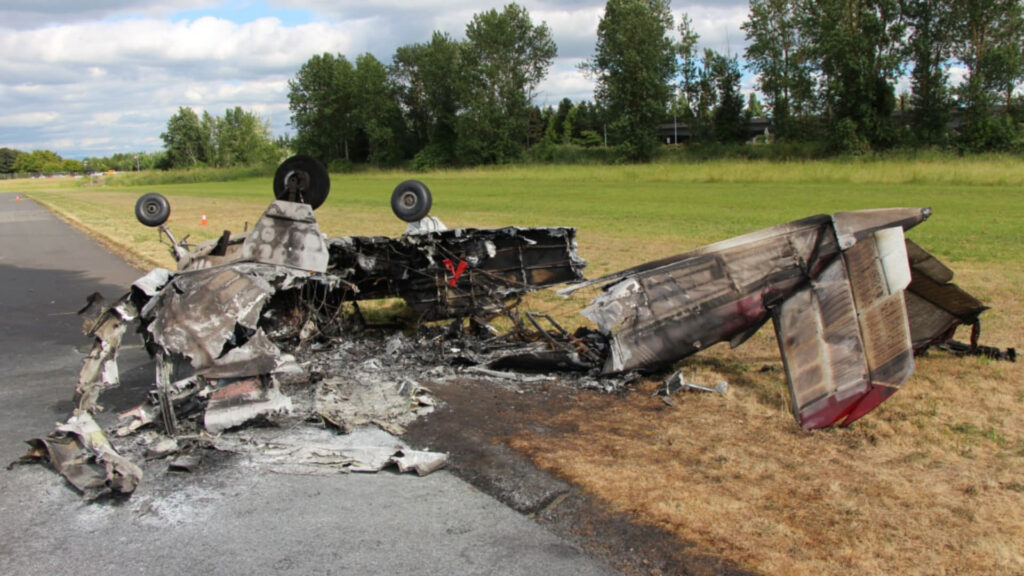
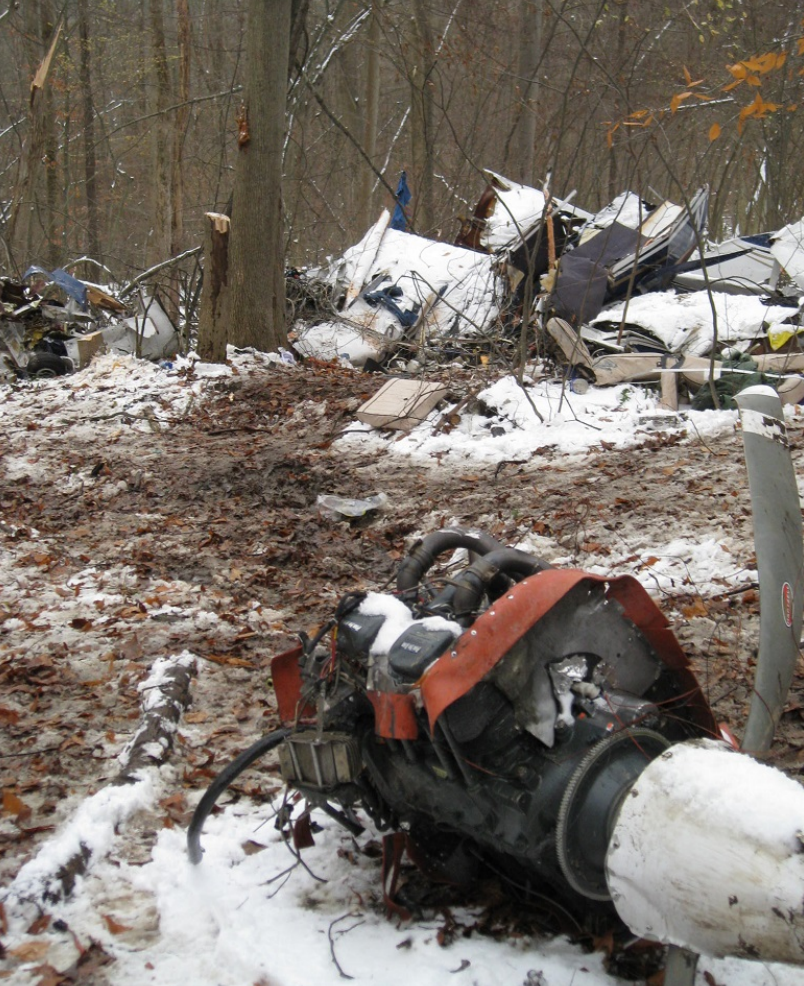
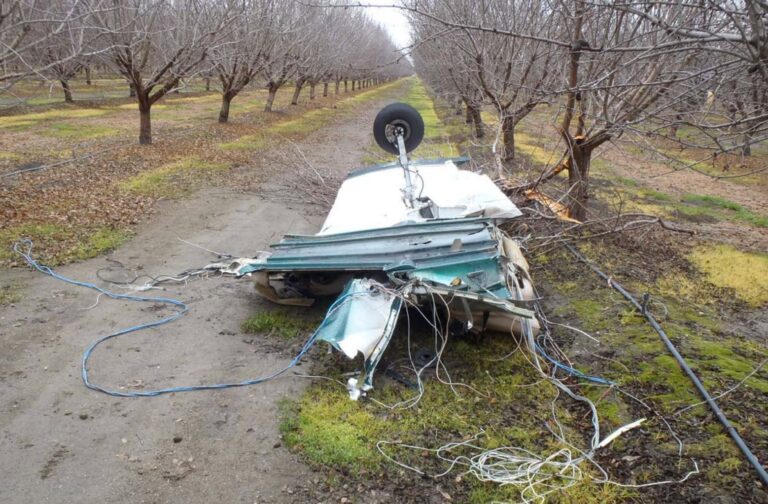
At that point both wings and both stabilator halves separated from the fuselage as the aircraft broke apart in flight. The pilot, his wife, and his three children were ejected from the aircraft and fell to their deaths.
NTSB probable cause: “The noninstrument-rated pilot’s decision to conduct and continue the flight despite forecast and en route instrument meteorological conditions. Also causal to the accident was the pilot’s decision to accept an instrument flight rules clearance and fly into IMC during cruise flight, which led to his spatial disorientation and a resultant loss of control and an in-flight breakup. Contributing to the accident was the pilot’s self-induced pressure to arrive at the destination for a party that night.” (NTSB WPR16FA041)
The Decision Gates
When you read the story, the impulse is to say I would never, but the truth is most pilots have accepted more risk than they planned to at some point during their flying career. No one wakes up planning to kill their family. Instead they make decisions that remove their margin for safety without even realizing it. Here are four decisions that sealed this pilot’s fate.
Gate 1: The decision to fly was made even though the weather picture didn’t support the plan. He did the right thing getting a weather briefing, but he seemed to brush off any concerns and didn’t get an update between the briefing at 6:50am and the time they took off at 2:30pm. The data was available, but he made the decision not to use it.
The check: Between your last briefing and engine start, has anything changed that you haven’t looked at?
Gate 2: Once airborne, he stopped executing a flight and started managing weather. Instead of recognizing “this isn’t the relaxed VFR flight I planned” and finding the fastest exit, he started deviating, climbing, and negotiating. The flight stopped being a flight and became a problem to solve.
The check: In the last ten minutes, have you executed your plan, or have you been adapting around it? If it’s the second one, the flight has already changed — and the only question left is whether you’re going to admit it.
Gate 3: He chased altitude into a trap he’d already closed. He couldn’t legally climb above 18,000 without an IFR clearance, and the airplane only had oxygen for three of the five people aboard, so ‘just go higher’ was never actually on the table and every request to climb reduced his options.
The check: The move you’re about to make, does it open an exit, or close one?
Gate 4: Twenty minutes of searching instead of declaring. The last phase of the flight was a pilot trying to find a way through the weather instead of declaring an emergency and asking for help. By the time the controller offered him an IFR clearance, it was too late, especially because he didn’t have the training to fly in the weather.
The check: If you’re already wondering if you should declare an emergency, you’re past the point where you should have. Say the word.