What Happened
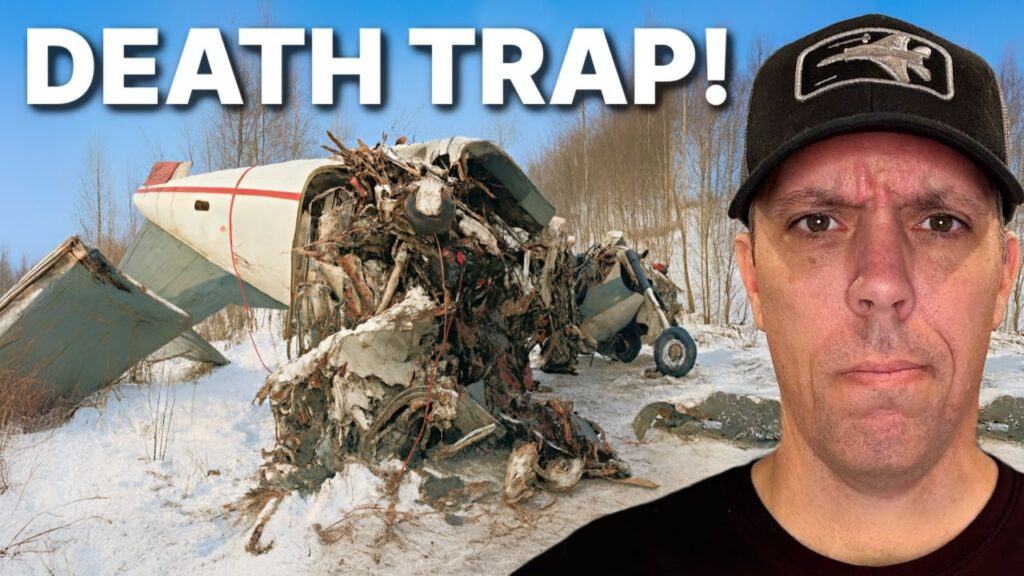
On December 1, 1993, Northwest Airlink Flight 5719, Jetstream BA-3100 N334PX, crashed during a localizer back-course approach to runway 13 at Hibbing, Minnesota. The two crewmembers and all 16 passengers were killed. The airplane, operated by Express II Airlines, struck trees and terrain approximately 3 miles from the runway threshold.
The approach took place at night in instrument meteorological conditions. The crew needed to fly the instrument procedure while keeping track of the altitude limits at each stage. The captain delayed starting the descent. That delay left the airplane needing an excessive descent rate to reach the final approach fix and the minimum descent height.
So the approach arrived at its most demanding segment with a vertical-profile problem already developing. A late descent had compressed the time available for both flying and monitoring. The NTSB found that the captain’s actions then created distractions during critical phases of the approach.
The crew lost altitude awareness. The airplane passed below mandatory level-off points and continued toward the wooded terrain short of the airport. Those intermediate altitude limits were part of the protection provided by the procedure; reaching the runway heading did not remove them.
The investigation found that the approach had become unstabilized and that crew coordination had broken down. The collision occurred before the airplane reached the runway, after the crew had lost the altitude protection needed to get there.
Investigation Findings
The NTSB connected the accident to the captain’s actions, the breakdown in coordination, and the loss of altitude awareness. Its analysis did not stop with the final flight. Investigators reviewed the captain’s earlier record and the company’s response to it.
That record had raised questions about airmanship and behavior, including intimidation of first officers. The NTSB found that company management had not adequately addressed the previously identified problems in the captain’s airmanship and crew resource management. The issue was therefore not simply whether the other pilot could have made one more call on the accident approach. It included the cockpit environment in which monitoring and intervention had to occur.
The company had also failed to identify and correct a widespread, unapproved practice during instrument approaches. That finding placed the flight in an organizational context: the accident crew’s decisions had occurred within operating practices that management had not adequately controlled.
The Board also identified inadequate FAA surveillance and oversight of the carrier. Its analysis discussed shortcomings in guidance to inspectors concerning operational bulletins, with the result that valuable safety information had not reached airlines as intended.
These findings described several separate defenses that had failed. The flight crew needed to maintain the procedure’s altitude limits. The captain needed to support effective coordination. Management needed to address known performance deficiencies and unapproved practices. Oversight needed to identify and correct the gaps in the operation.
NTSB Probable Cause
THE CAPTAIN’S ACTIONS THAT LED TO A BREAKDOWN IN CREW COORDINATION AND THE LOSS OF ALTITUDE AWARENESS BY THE FLIGHTCREW DURING AN UNSTABILIZED APPROACH IN NIGHT INSTRUMENT METEOROLOGICAL CONDITIONS. CONTRIBUTING TO THE ACCIDENT WERE: THE FAILURE OF THE COMPANY MANAGEMENT TO ADEQUATELY ADDRESS THE PREVIOUSLY IDENTIFIED DEFICIENCIES IN AIRMANSHIP AND CREW RESOURCE MANAGEMENT OF THE CAPTAIN; THE FAILURE OF THE COMPANY TO IDENTIFY AND CORRECT A WIDESPREAD, UNAPPROVED PRACTICE DURING INSTRUMENT APPROACH PROCEDURES; AND THE FEDERAL AVIATION ADMINISTRATION’S INADEQUATE SURVEILLANCE AND OVERSIGHT OF THE AIR CARRIER. (NTSB REPORT AAR-94/05)
Safety Lessons
The following takeaways apply the investigation findings to flight planning and cockpit decisions.
- Stop trying to recover an unstable profile inside the approach. A delayed descent can leave too much altitude to lose in too little distance. Use the stabilization and missed-approach criteria applicable to the aircraft and operation rather than treating an increasing descent rate as the only available correction.
- Make monitoring usable in both seats. Brief altitude restrictions and intervention responsibilities. An effective monitoring pilot needs an environment in which identifying a deviation and calling for a missed approach are expected parts of the job.
- Act on repeated performance concerns. For instructors, check pilots, and operators, documented problems need a documented corrective response. The NTSB findings in this accident extended to known captain deficiencies and company practices that had not been corrected.
Watch the Full Analysis
Frequently Asked Questions
Q: What caused Northwest Airlink Flight 5719 to crash?
A: The NTSB attributed the accident to captain actions that broke down crew coordination and led to lost altitude awareness during an unstabilized night instrument approach.
Q: What aircraft operated Flight 5719?
A: The aircraft was Jetstream BA-3100 N334PX, operated by Express II Airlines as Northwest Airlink Flight 5719.
Q: Why did the NTSB examine airline management?
A: The Board found that management failed to address known captain deficiencies and failed to correct a widespread, unapproved instrument-approach practice. Inadequate FAA oversight also contributed.
Sources and References