What Happened
The left engine and its pylon separated during takeoff. The DC-10 continued climbing, but the separation had damaged more than the engine attachment. The left wing's aerodynamic configuration and the crew's warnings were changing at the same time.
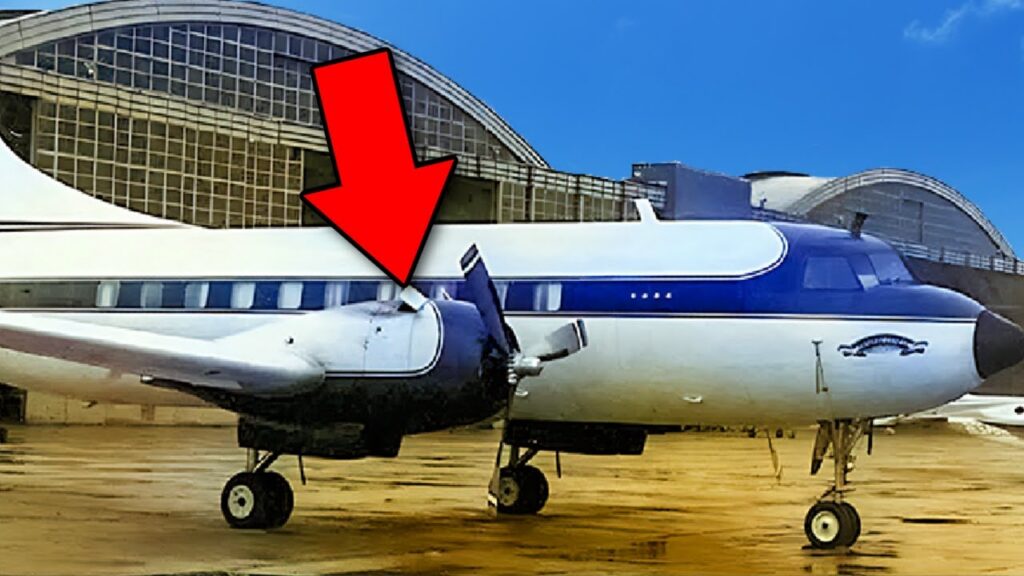
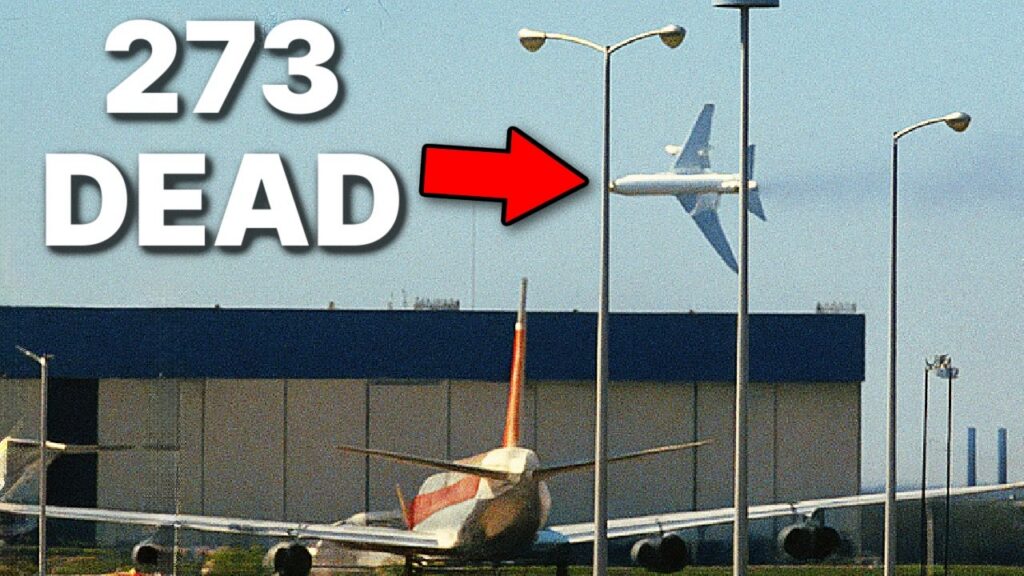
On May 25, 1979, American Airlines Flight 191, a McDonnell Douglas DC-10-10 registered N110AA, crashed shortly after departing runway 32R at Chicago O'Hare International Airport. All 271 people aboard died, along with two people on the ground. The weather was clear, with 15 miles of visibility.
During takeoff rotation, the No. 1 engine, its pylon assembly, and a portion of the left wing's leading edge separated from the airplane. The assembly fell to the runway. Flight 191 initially climbed to approximately 325 feet above the ground, then began rolling left. The roll continued beyond a vertical bank, and the nose pitched downward before impact northwest of the runway.
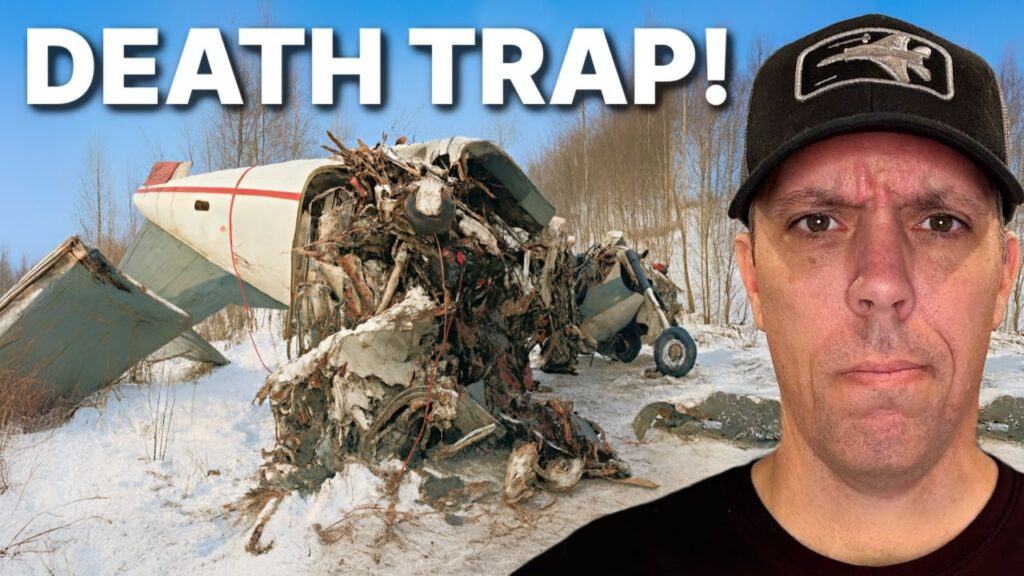
The airplane struck an open field, with wreckage extending into an adjacent trailer park. The crash and fire destroyed the airplane. The investigation had to explain both why the engine attachment failed and why the remaining airplane could not complete what would otherwise have been an engine-out departure.
That distinction is central to this accident. Losing thrust from one engine was only one part of the event. The physical separation affected the leading-edge slats on the left wing and disabled warning and indication systems that could otherwise have alerted the crew to the developing asymmetry.
Investigation Findings
The NTSB traced the engine-and-pylon separation to maintenance-induced damage. Improper maintenance procedures damaged the pylon structure, leading to its failure during takeoff. The investigation also identified vulnerabilities in the attachment design that made it susceptible to that damage.
The report examined maintenance operations in which the engine and pylon were supported together with a forklift. It documented damage and cracking associated with those operations and reviewed earlier damage incidents involving another operator. Those incidents had not produced the reporting and dissemination that might have made the broader hazard clear to the airline industry and the FAA.
After the left engine and pylon separated, the left wing's outboard leading-edge slats retracted without a command from the crew. The resulting aerodynamic condition was asymmetric: the two wings no longer had the same stall characteristics. The left wing stalled, producing the roll identified in the probable cause.
At the same time, the crew lost stall warning and slat-disagreement indications. This matters because a pilot's response depends on the information available in the cockpit. The NTSB did not treat this as a normal engine failure in which an otherwise undamaged airplane simply needed to follow the usual engine-out profile.
The final report identified insufficient redundancy in the stall-warning system. It also noted that the leading-edge slat system did not include positive mechanical locking devices to prevent movement under external loads after a failure of the primary controls. The structural separation of an engine pylon had not been considered during the airplane's original certification in a way that accounted for the multiple system failures resulting from the event.
The Board's findings extended beyond the immediate maintenance damage. Its probable cause cited weaknesses in FAA surveillance and reporting, communication among operators and the manufacturer, the vulnerability of the slat system, and the inability of prescribed operating procedures to accommodate this particular emergency.
Those findings explain why the accident cannot be reduced to a single cockpit decision. The initiating damage existed before the takeoff. The separation then removed or altered several protections together: structural attachment, aerodynamic configuration, stall warning, and slat-disagreement information. The flight crew encountered the consequences at low altitude during a critical phase of flight.
The NTSB's recommendations reflected that broader scope. They addressed inspection of pylon attachment points, maintenance practices involving removal and installation of the engine and pylon, and the consideration of multiple failures arising from structural damage. The emphasis was on preventing the damaging condition and improving the system's resilience, rather than assuming pilot technique alone could solve the resulting combination of failures.
NTSB Probable Cause
The National Transportation Safety Board determines that the probable cause of this accident was the asymmetrical stall and the ensuing roll of the aircraft because of the uncommanded retraction of the left wing outboard leading edge slats and the loss of stall warning and slat disagreement indication systems resulting from maintenance-induced damage leading to the separation of the No. 1 engine and pylon assembly at a critical point during takeoff. The separation resulted from damage by improper maintenance procedures which led to failure of the pylon structure.
Contributing to the cause of the accident were the vulnerability of the design of the pylon attach points to maintenance damage; the vulnerability of the design of the leading edge slat system to the damage which produced asymmetry; deficiencies in Federal Aviation Administration surveillance and reporting systems which failed to detect and prevent the use of improper maintenance procedures; deficiencies in the practices and communications among the operators, the manufacturer, and the FAA which failed to determine and disseminate the particulars regarding previous maintenance damage incidents; and the intolerance of prescribed operational procedures to this unique emergency.
Safety Lessons
Maintenance procedures must account for the loads and clearances of the structure being handled. A procedure that appears to save time can introduce damage outside the technician's immediate view. In this accident, the connection between maintenance handling and structural integrity became critical only later, during takeoff.
Damage reports need to reach people who can recognize a recurring hazard. The investigation documented earlier maintenance damage that had not led to effective communication across the operator, manufacturer, and regulatory system. Treating each event as an isolated maintenance error can prevent the larger pattern from being identified.
System safety analysis must consider common causes. One structural failure affected several systems and protections at once. Redundancy on paper is less useful when apparently separate functions can be lost through the same event. Flight 191 remains a case study in how physical routing, structural attachments, and warning-system design interact.
Accident analysis should respect the information and aircraft condition available to the crew. An ordinary engine-out training scenario does not reproduce an asymmetric slat condition with missing warnings. The NTSB explicitly included the limitations of prescribed operational procedures in its findings. That context is necessary before judging the crew's response from the outcome alone.
Watch the Full Analysis
Frequently Asked Questions
What caused American Airlines Flight 191 to roll left?
The NTSB identified an asymmetric stall after the left wing’s outboard leading-edge slats retracted following separation of the No. 1 engine and pylon. Stall warning and slat-disagreement indications were also lost.
Why did the engine and pylon separate?
The NTSB traced the separation to maintenance-induced damage caused by improper maintenance procedures, leading to failure of the pylon structure.
Was this simply a loss of engine thrust?
No. The separation also changed the left wing’s aerodynamic configuration and disabled relevant warnings. The investigation treated the combined failures as essential to the accident sequence.
How many people died?
There were 271 fatalities aboard the airplane and two on the ground, for a total of 273.
Sources and References