
What Happened
The crew asked for the nearest airport, then said they were not declaring an emergency. Less than a minute later, they reported being out of fuel. The Convair carrying Lynyrd Skynyrd would not reach the runway.
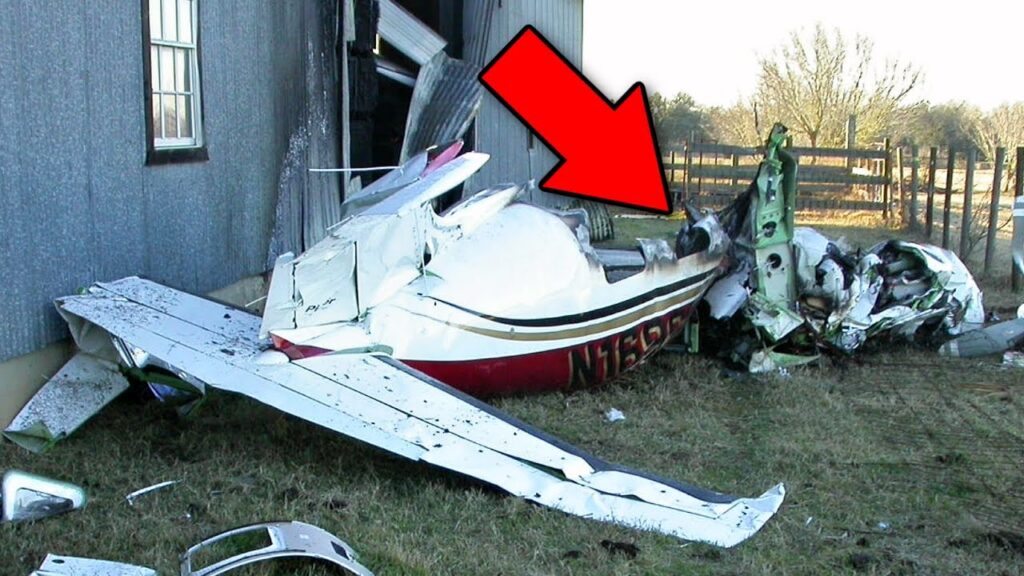
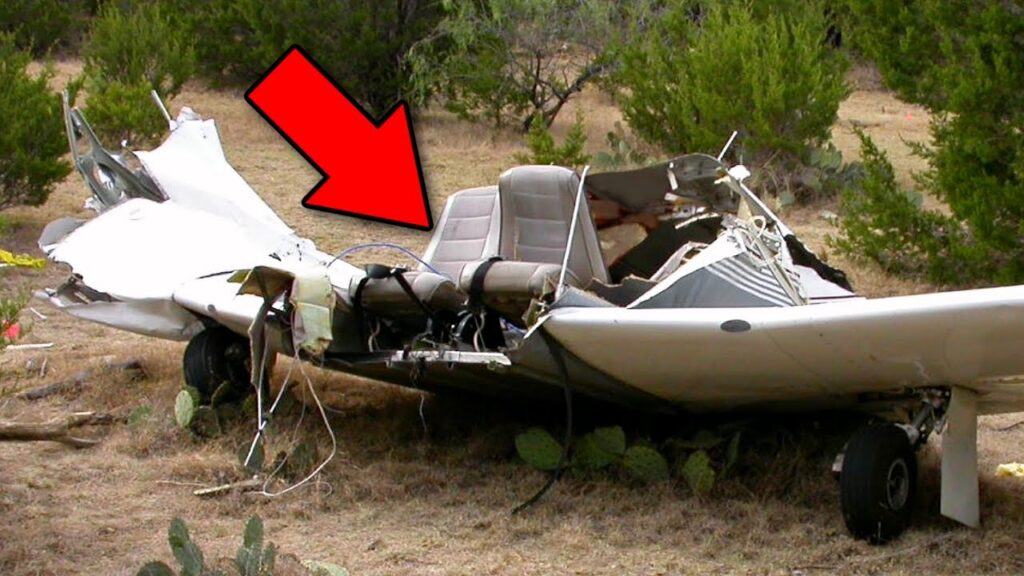
On October 20, 1977, Convair N55VM departed Greenville, South Carolina, for Baton Rouge, Louisiana, carrying 24 passengers and two crewmembers. The airplane crashed in wooded terrain about five miles northeast of Gillsburg, Mississippi, during an attempted emergency landing. Both crewmembers and four passengers died. The other 20 occupants were injured. The airplane was destroyed by impact, but there was no postcrash fire.
The NTSB's final report identifies the airplane as a Convair 240. It was owned by L & J Company and being used under a lease agreement with Lynyrd Skynyrd Productions. The report's identification and occupant count are important anchors for the accident: accounts of the band's loss should not displace the actual aircraft and survival evidence.
The airplane had arrived at Greenville on October 18 and received 400 gallons of fuel there. When the pilot filed the flight plan for the October 20 departure, he estimated two hours and 45 minutes en route and reported five hours of fuel aboard. The flight departed about 1602 central daylight time. It eventually climbed to 12,000 feet and proceeded along the planned route.
At 1839:50, air traffic control cleared the flight to descend to 6,000 feet. Shortly afterward, the crew asked for the closest airport. Houston Center supplied vectors toward McComb, Mississippi. The urgency of those exchanges increased, but the crew's description of its situation was not consistent throughout them.
At 1844:34, the pilot stated that the flight was not declaring an emergency but needed to get to McComb as directly as possible. At 1845:12, he reported that the airplane was out of fuel. When the controller asked for confirmation, the pilot changed that description to an indication of being out of fuel without explaining the indication. The last recorded communication with the center was an altitude report of 4,500 feet.
The airplane descended into heavily wooded terrain. Passengers had been warned that an emergency landing was imminent, and many assumed a protective position. The wreckage showed severe impact deformation in the cockpit, while some cabin sections retained enough integrity to permit survival. The absence of a postcrash fire also contributed to the survival of many passengers, according to the NTSB.
Investigation Findings
Investigators concluded that both engines stopped producing power because the usable fuel was exhausted. Only a small quantity of fuel was recovered from the engines, and the available fuel-gauge evidence indicated empty tanks. The central question was how the flight could depart with a claim of five hours of endurance and run out of fuel during a flight lasting roughly 2.8 hours.
The right engine had been malfunctioning before the accident flight. The crew operated it with the mixture in the auto-rich position to obtain acceptable performance. The investigation could not establish the exact engine discrepancy or determine precisely how long the engine had been operated in that configuration across the preceding flights.
That uncertainty prevents a complete, exact reconstruction of the fuel quantity at every stop. It does not erase the evidence of increased consumption. The NTSB concluded that the right engine was burning more fuel than the crew anticipated. It also determined that the five-hour fuel supply stated on the flight plan was not supported by the fueling history.
The report considered other explanations. Investigators found no evidence of a fuel leak, and they regarded an error in the quantity shown on the fuel receipts as relatively remote. Their analysis instead connected higher-than-expected consumption with inadequate monitoring and an unresolved engine problem.
The NTSB found that the crew failed to monitor fuel flow, en route consumption, and fuel quantity adequately. With an earlier recognition of the discrepancy, a refueling stop could have been planned before the airplane's remaining fuel dictated an emergency landing. The Board also criticized continuing the flight without correcting the known engine discrepancy at Greenville.
The engine finding needs to remain precise. The report did not establish a particular failed ignition component as the definitive cause of the malfunction. Some ignition-system components were too damaged to establish their preimpact condition. The official probable cause therefore describes an engine malfunction of undetermined nature, rather than naming a component the evidence could not confirm.
The report also examined operational responsibility under the lease. The Board found that the lessee did not adequately understand who was acting as the operator and what that responsibility involved. That was an additional safety concern about the arrangements surrounding the flight, not a replacement for the fuel-exhaustion finding.
NTSB Probable Cause
The National Transportation Safety Board determines that the probable cause of this accident was fuel exhaustion and total loss of power on both engines due to crew inattention to fuel supply. Contributing to the fuel exhaustion were inadequate flight planning and an engine malfunction of undetermined nature in the right engine which resulted in higher-than-normal fuel consumption.
Safety Lessons
An endurance estimate must remain connected to the airplane's actual condition. Fuel consumption based on normal operation cannot be assumed to remain valid when an engine is being operated differently to compensate for a discrepancy. The relevant question is how much usable fuel remains at the current rate of consumption, not whether the original flight-plan number looked adequate.
Fuel monitoring needs opportunities to change the plan. A discrepancy recognized early can lead to a planned landing and refueling. The same discrepancy recognized after the available options have narrowed becomes an emergency. The report specifically identified the crew's failure to monitor the fuel supply as a missed opportunity to make that earlier decision.
A known engine problem should not become routine simply because the airplane has flown with it before. The right engine's operation was sufficiently abnormal to require a different mixture setting for acceptable performance. The NTSB could not identify the exact underlying malfunction, but it did establish the consequences for consumption and criticize the decision to continue without correcting the discrepancy.
Clear responsibility matters when an aircraft is leased or a flight is arranged for passengers who are not aviation operators. The NTSB's concern was that contractual language had not produced an adequate practical understanding of operational responsibility. The broader lesson is to make responsibility for maintenance, crew oversight, and flight decisions explicit and understood before transportation begins.
Watch the Full Analysis
Frequently Asked Questions
Why did Lynyrd Skynyrd’s airplane crash?
The NTSB determined that both engines lost power because the fuel supply was exhausted. It cited crew inattention to fuel supply, inadequate flight planning, and an undetermined right-engine malfunction that increased consumption.
How many people survived the accident?
The official report lists 26 occupants: two crewmembers and 24 passengers. Six died and 20 others were injured.
Was the specific right-engine malfunction identified?
No. The NTSB found that the engine had been operated in auto-rich to obtain acceptable performance, but the exact malfunction and the duration of that operation could not be established.
Was there a fire after the crash?
No. The NTSB identified the absence of a postcrash fire and the retained integrity of some cabin sections as factors that contributed to survival.
Sources and References