What Happened
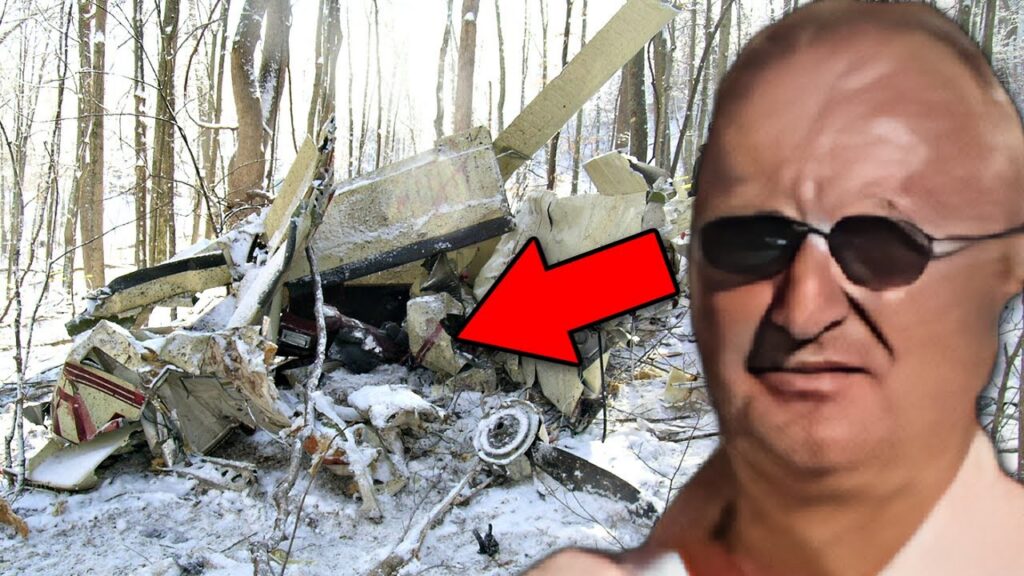
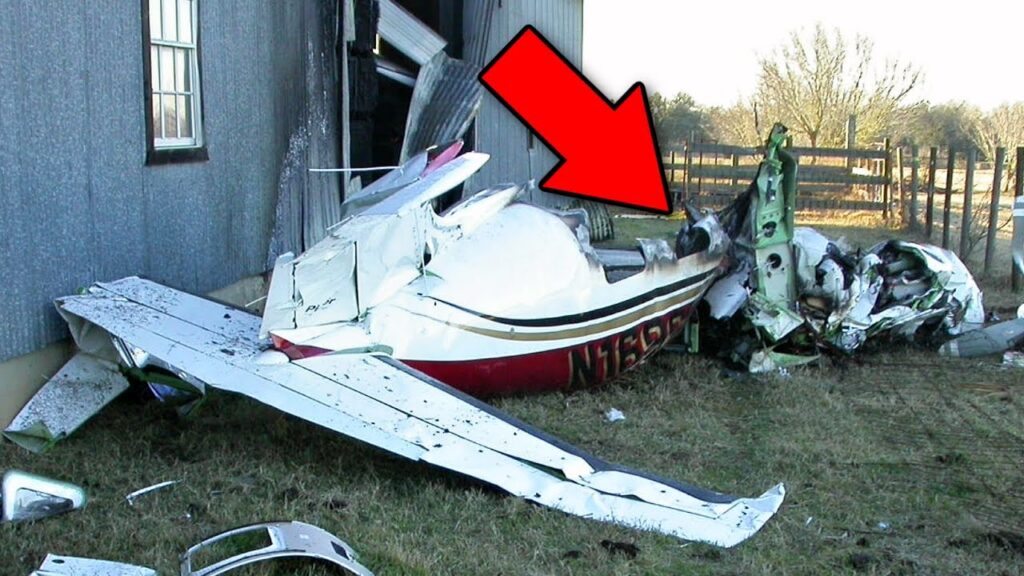
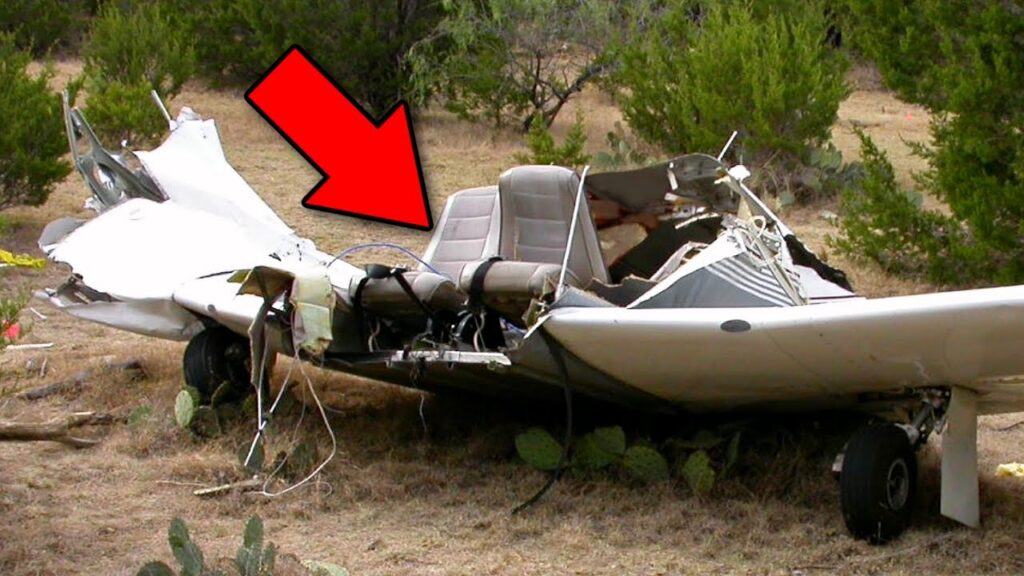
On November 15, 2007, a Piper PA-28R-200, N55307, broke apart in flight near Ranger, Texas. The flight instructor, a foreign-certificated private pilot, and a passenger were killed. The airplane was destroyed. What began as an instructional cross-country flight ended in a structural failure during aerobatic maneuvering.
The flight departed Arlington Municipal Airport at about 1:48 p.m. central standard time for Abilene Regional Airport, a planned distance of 132 nautical miles. The weather was visual, and a visual flight rules flight plan had been filed. The airplane belonged to and was operated by Skymates.
Radar data showed five maneuvers that drew investigators’ attention. In four, the airplane descended roughly 1,000 to 1,200 feet and accelerated from about 80 to 120 knots calibrated airspeed. Three of those descents were followed by climbs of 300 to 400 feet and deceleration to about 90 knots. The track did not resemble an airplane simply maintaining its cross-country cruise altitude.
During the first maneuver, the airplane descended from 12,300 feet mean sea level to about 11,100 feet, then climbed to 11,500 feet and briefly leveled. During the second, it descended from 11,500 to 10,500 feet, then recovered part of that altitude. The third descent took it from 11,000 feet to about 9,950 feet before another climb.
The fourth maneuver included a climb to 11,400 feet, a descent to 11,100 feet, and then a pullup to 13,000 feet. In the final maneuver identified by investigators, the airplane climbed to 11,800 feet and pitched down. Its airspeed exceeded 134 knots calibrated before decreasing. Around that point, radar returns ended.
No witness reported seeing the sequence that led directly to the breakup. One person north of the site heard repeated changes in engine sound, then an unusual noise. Looking through binoculars, he saw the airplane descending and rotating slowly. Another witness heard changing engine sounds followed by a loud bang, then saw pieces falling.
Those accounts described what the witnesses heard and saw. They did not prove that the engine had stopped or that a particular named aerobatic maneuver had been completed. The structural evidence and radar record provided the basis for the NTSB’s conclusion.
Investigation Findings
The airplane’s maximum maneuvering speed was 116 knots calibrated airspeed. During the last radar maneuver, speed exceeded 134 knots calibrated. The NTSB found that the pilot intentionally performed aerobatic maneuvers that exceeded the structure’s design limits.
Investigators found no preimpact mechanical deficiency. Fracture surfaces were consistent with overload separation: the components broke under loads greater than the structure could withstand. That finding supported an in-flight breakup caused by maneuvering loads rather than a preexisting mechanical failure that first made the airplane uncontrollable.
The flight history added context to the radar evidence. Fellow instructors said the accident instructor had described performing rolls or snap rolls in the school’s airplanes. A primary student reported that the instructor had demonstrated rolls and spins during lessons. Those accounts concerned earlier behavior; they were not eyewitness identifications of every maneuver on the accident flight.
The instructor’s logbook showed an estimated 595 total flight hours, including 37 hours in the accident make and model. He had logged about 307 hours in the preceding 90 days and 60 in the preceding 30 days. The foreign-certificated private pilot had an estimated 119 total hours and about one hour in the make and model. These figures describe the occupants’ recorded experience without establishing who made every control input.
The critical distinction was between having enough speed for ordinary flight and having structural margin for an abrupt maneuver. The last recorded speed was above the published maneuvering speed. The airplane’s structural cruising speed was higher, but that did not make aggressive aerobatic control inputs acceptable below it. Different limitations address different conditions.
Nor should maneuvering speed be treated as an aerobatic authorization. The investigation linked this breakup to intentional aerobatics beyond the airplane’s structural design limits. A pilot cannot convert an airplane into an aerobatic trainer by staying below one number on the airspeed indicator.
The radar record showed the repeated energy exchange: altitude became airspeed in the descents, followed by climbs and deceleration. The final event crossed from a maneuver into structural overload. The precise view from the cockpit was not available, but the physical evidence did not require speculation about an engine failure or hidden defect.
NTSB Probable Cause
The pilot’s intentional performance of aerobatic maneuvers that exceeded the design limits of the airplane structure.
Safety Lessons
The first lesson for instructors is to keep demonstrations within the aircraft’s approved operating envelope and the purpose of the lesson. A cross-country training flight does not create an exception to structural limitations. The person teaching sets both the immediate flightpath and the standard a student learns to accept.
The second is to brief the limitations as a set. Maneuvering speed, structural cruising speed, approved maneuvers, weight, and control-input restrictions have different meanings. Training should use the applicable flight manual rather than teach a single speed as permission for any maneuver.
The third is organizational. Reports that an instructor is performing unauthorized maneuvers in training aircraft deserve a factual review before another flight repeats the behavior. In this investigation, prior accounts and the accident flight’s radar track pointed in the same direction. A school needs a practical way for students and instructors to raise that concern and have it addressed.
Watch the Full Analysis
Frequently Asked Questions
Q: Why did the Piper Arrow break apart near Ranger?
A: The NTSB found that intentional aerobatic maneuvers exceeded the airplane structure’s design limits. The fracture surfaces were consistent with overload, and no preimpact mechanical deficiencies were found.
Q: How fast was N55307 before the breakup?
A: During the final radar maneuver, the airplane exceeded 134 knots calibrated airspeed. Its published maximum maneuvering speed was 116 knots calibrated.
Q: Were all three occupants student pilots?
A: No. The factual report identified a flight instructor, a foreign-certificated private pilot, and a passenger. All three were killed.
Sources and References