What Happened
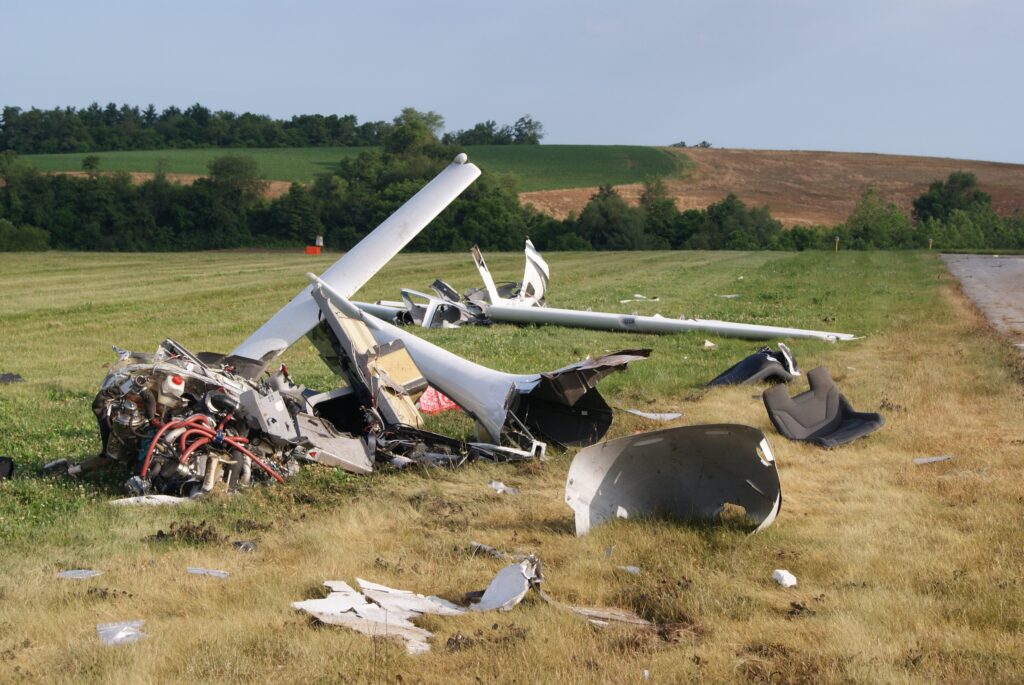
On June 15, 2012, at approximately 1010 eastern daylight time, a Remos GX special light-sport aircraft, N206GX, impacted the ground during an emergency landing attempt at Carroll County Regional Airport (DMW) in Westminster, Maryland. The commercial pilot, 64 years old, was fatally injured. The airplane was substantially damaged. It was a clear morning, winds calm, visibility 10 miles. No flight plan had been filed.
The backstory on this airplane matters. In November 2011, the pilot had flown N206GX from Piseco Airport in upstate New York down to Haysfield Airport in Clarksville, Maryland, where it was disassembled and stored for the winter. The Remos GX is designed for exactly this kind of compact storage. Both wings fold back, and the horizontal stabilizer is fully removable. The whole airplane breaks down and goes into a hangar or trailer. In April 2012, the pilot and an assistant put it back together. The pilot, who held a commercial certificate with single-engine, multiengine, glider, and instrument ratings, plus a flight instructor certificate, plus an FAA airframe and powerplant mechanic certificate, completed a condition inspection on June 1. He had about 3,250 hours total time, 100 of those in the prior year, and approximately 16 hours in the Remos specifically. This was not a casual pilot. He knew airplanes.
After the condition inspection, he flew to Bay Bridge Airport in Stevensville, Maryland, on June 8 for a pitot-static check. On June 12, a Magnum 601 ballistic parachute recovery system was installed. On June 14, he flew to Frederick Municipal Airport. The plan for June 15 was to fly north to Piseco with an en route fuel stop and deliver the airplane to its owner. The accident flight departed Frederick around 0935. The Dynon FlightDEK-D180 EFIS recorded the entire flight. The airplane climbed to about 2,500 feet GPS altitude and proceeded northeast without incident. It overflew Carroll County Regional around 0950 and continued northeast for another five minutes before making a right 270-degree turn and coming back southwest toward DMW around 0958.
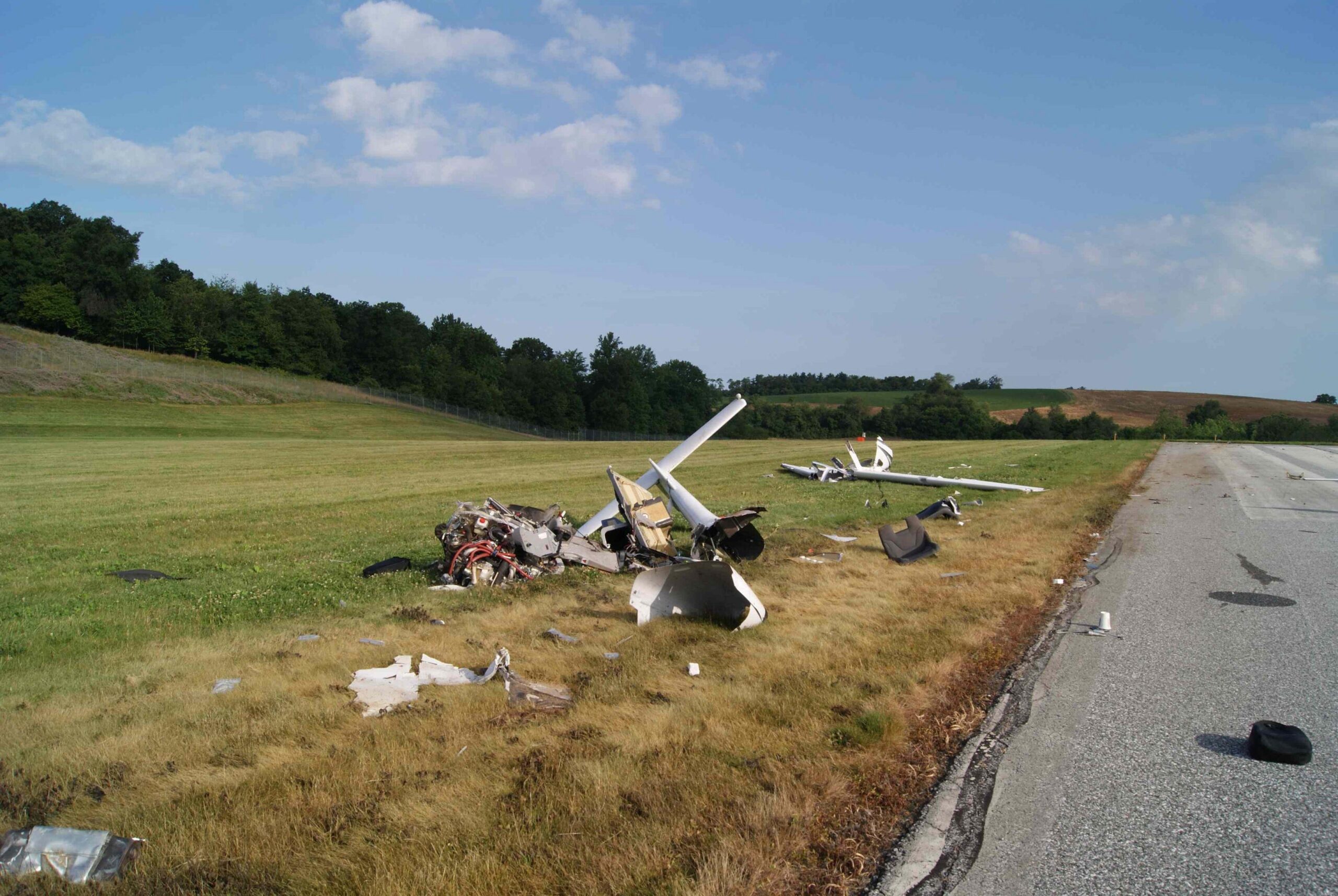
At 1003, the airplane was about 3 miles out, at 1,700 feet GPS altitude, doing 100 knots, and turned onto the final approach course for Runway 16. One minute later, 1.5 miles from the threshold, it was at 1,400 feet GPS altitude, which put it about 610 feet above the ground, at 87 knots. Then at 1004:33, the airplane was half a mile out, at 950 feet GPS altitude, about 160 feet above the ground, and the airspeed had jumped to 125 knots. A witness on the airport heard the pilot transmit over the CTAF that his elevator had come detached and he needed to land on Runway 16. Another witness watched the airplane climb and dive as it approached. A third said it looked very, very fast and came in flat or in a slight nose-down attitude. Over the grass just short of the threshold, it pitched sharply nose down. The recorded pitch angle in the EFIS data went from -0.38 degrees to -12.38 degrees just before impact. The last GPS altitude recorded was 834 feet, approximately 45 feet above the ground. The airplane hit about 60 feet short of the runway threshold, 12 feet left of the right runway edge. Debris scattered southeast approximately 350 feet.
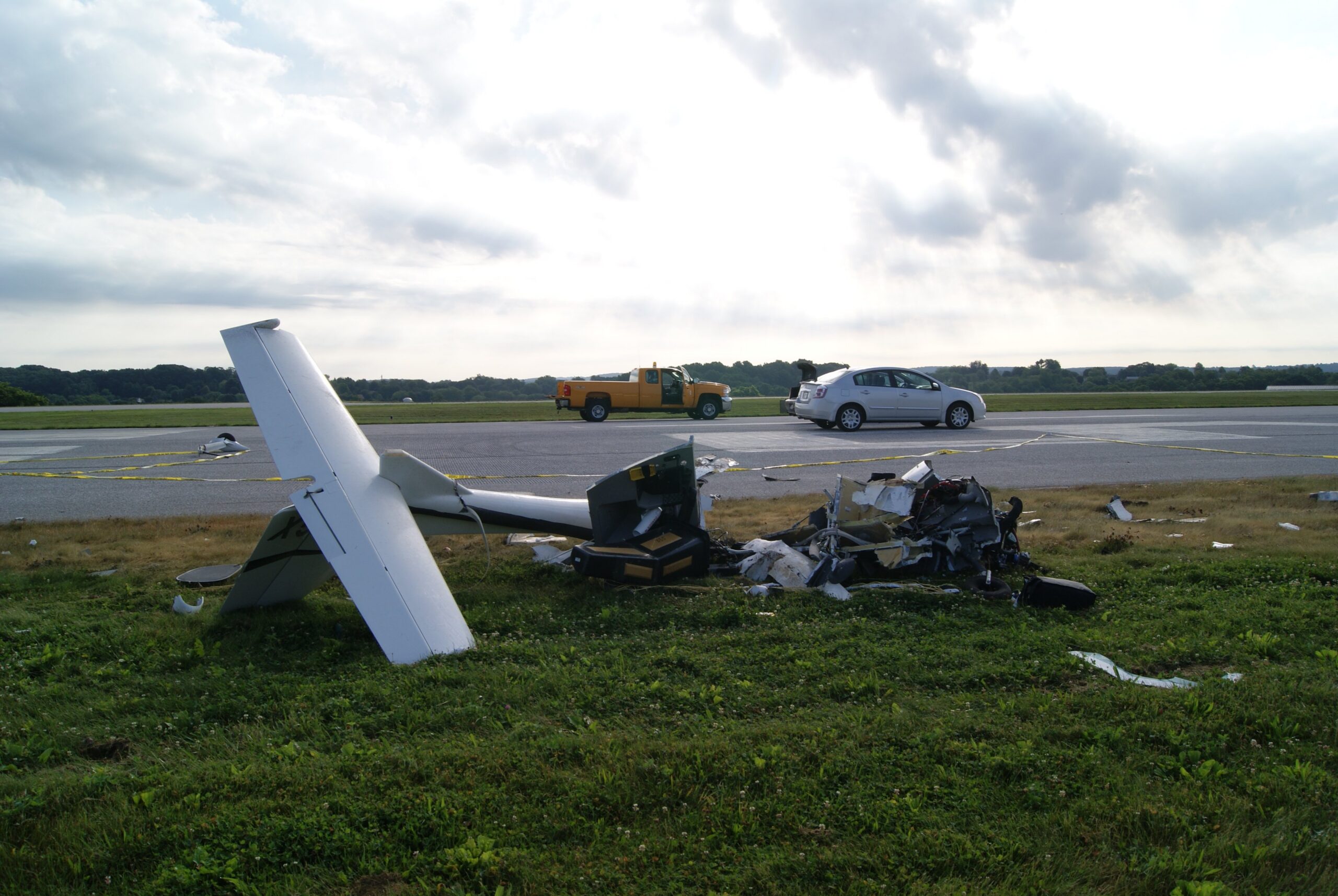
The ballistic parachute system was found undeployed, strewn along the debris path. The activation handle on the center console was secured with a padlock. The key to that padlock was on the same key ring as the ignition key, which was still in the ignition switch.
Investigation Findings
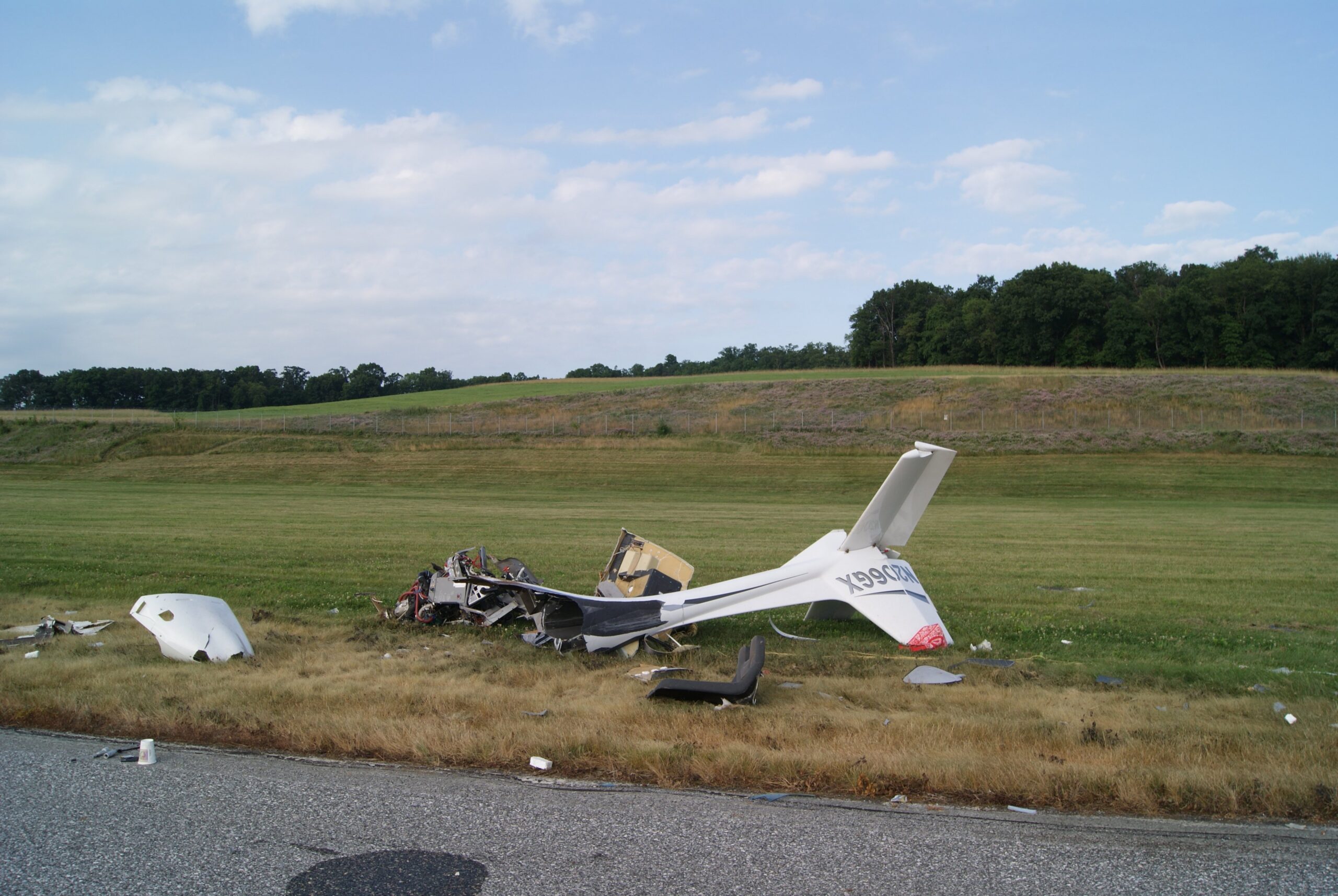
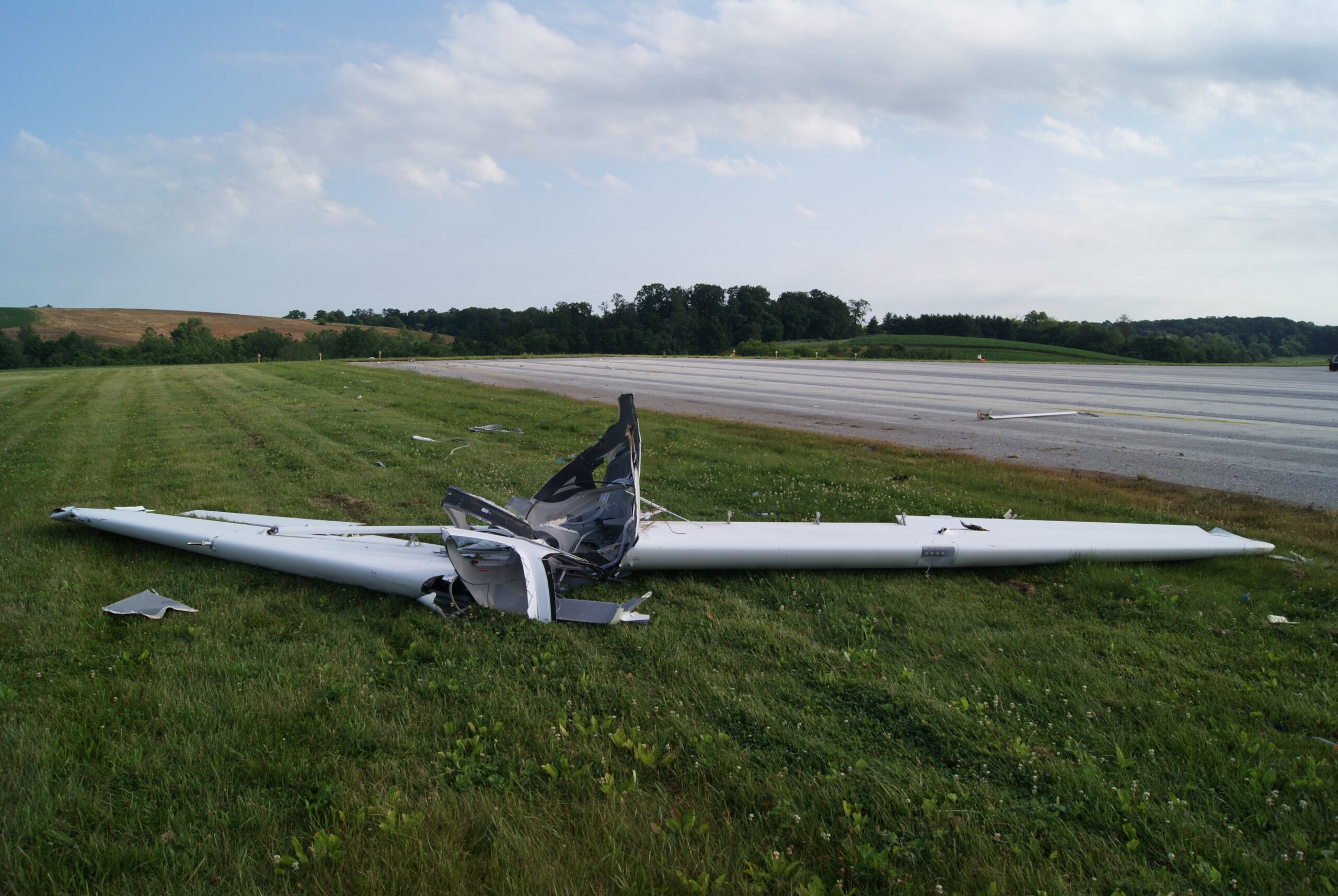
Investigators examined the wreckage at the accident site on June 16. All major portions were accounted for. The cockpit was destroyed. The tail assembly aft of the cabin remained intact. Both wings and the top portion of the cabin were found inverted, about 220 feet from the initial impact point. Engine examination found no failures or anomalies that would have precluded normal operation. The engine was not the problem.
The flight control examination told the story. The Remos GX uses push-pull rods, not cables, for the ailerons and elevator. Each rod features a quick-fastener, a two-hook coupling with a locking sleeve, an anti-twist pin, a locking pin, and a locking spring. To connect it, you mate the hooks, slide the locking sleeve over the joint, and the spring pushes the locking pin into position. The anti-twist pin prevents the sleeve from rotating into a position that would block the locking pin from seating. When investigators examined the airplane, the elevator quick-fastener was disconnected. Both aileron quick-fasteners were still connected. The rudder cables remained attached. The NTSB Materials Laboratory examined the elevator quick-fastener and found some corrosion, including white salts consistent with aluminum corrosion in the spring housing, and fretting wear on the clevis connector and inside the lock sleeve. But the fastener had not failed mechanically. It functioned as designed when tested. It simply had not been connected.
The elevator trim tab position added a detail worth noting: it was about one-quarter inch from full nose-down trim. That trim setting, combined with a disconnected elevator and no way to pull the nose up, explains the pitch-down behavior witnesses and the EFIS data both recorded on final approach.
There was a placard on the instrument panel that read: “CHECK: Flight System Control and Three Quick Fasteners.” Additional placards near the individual quick-fasteners provided illustrated instructions for verifying a secure connection, consistent with a Remos Safety Directive issued in 2009 after a fatal accident involving an improperly connected aileron quick-fastener on a different Remos aircraft. The POH preflight checklist explicitly called for checking the elevator quick-fastener for secure locking before every flight. The pilot had assembled the airplane in April, flown it twice after the parachute installation, and flown it the day before the accident. That is at minimum three preflight opportunities to find the disconnected elevator quick-fastener. The investigation could not determine precisely when the fastener became disconnected, but it had not been properly secured at some point during or after reassembly.
The person who assisted with the April reassembly told investigators the pilot was familiar with the quick-fastener operation. He confirmed the wings were folded and the horizontal tail was removed for winter storage. He said there were no issues during reassembly but that he did not specifically watch the elevator quick-fastener connection. The mechanic who installed the parachute system confirmed he did not disconnect any quick-fasteners, and the Magnum 601 installation manual confirmed none needed to be disconnected for that work. The toxicology report found the pilot positive for Doxepin, a prescription antidepressant, and Pioglitazone, an anti-diabetic medication. His most recent FAA medical, issued March 2010, listed only occasional aspirin. Whether the medications were a factor in the preflight oversight is unknown.
NTSB Probable Cause
The pilot’s inadequate preflight inspection, which failed to ensure that the elevator quick-fastener was properly secured, resulting in an inflight elevator control disconnect and subsequent loss of control during the ensuing emergency landing. Contributing to the accident was the pilot’s failure to remove the padlock from the airplane’s ballistic recovery system parachute activation handle.
Safety Lessons
This accident involved a pilot with a commercial certificate, a CFI certificate, and an A&P mechanic certificate. He had done the reassembly himself. He had completed a condition inspection. He had flown the airplane multiple times after putting it back together. And the elevator was disconnected the whole time. A few things follow from that.
- Reassembly is a high-risk phase, and it demands a checklist with witness verification. The Remos GX quick-fastener system is designed to be used. But a connection that looks seated may not have the locking pin engaged. The manufacturer’s Safety Directive required inspections and added placards precisely because an improperly connected quick-fastener is difficult to detect by feel or casual visual inspection. On any aircraft that disassembles for storage, every reconnection point should be verified against a written checklist, ideally with a second person confirming each item independently. Not watching while the other person does it. Looking at it yourself.
- Preflight items that require physical action need physical verification, not a scan and a check mark. The POH, the placards, and the Safety Directive all pointed at the elevator quick-fastener. The locking pin was visible on an exemplar Remos GX with the tail cone installed. The NTSB confirmed this. The fastener could be seen. A hand on the elevator control, a visual on the locking pin position, a physical pull-push on the push-pull rod before every flight would have found this. The checklist said to do it. Doing it means doing it, not noting that the item exists.
- Installed safety equipment is not a backup if it is locked out. The Magnum 601 ballistic parachute was installed four days before the accident. There was a placard on the center console that read “Remove Lock from BRS Before Flight.” The start-up checklist in the same cockpit said “Recovery System Armed.” The padlock key was on the same ring as the ignition key. The pilot started the engine, which means he turned that key. The padlock was a known item. It never got removed. Whether the parachute would have changed the outcome cannot be determined, but the option was not available. A safety system that cannot be activated during the emergency it was installed to address is a system that failed at the moment it was needed.
Frequently Asked Questions
Q: What is a quick-fastener on the Remos GX and how does it work?
A: The Remos GX uses push-pull rods, not cables, to move the ailerons and elevator. Each rod has a quick-fastener at the point where the control surfaces disconnect for storage or transport. The fastener uses two interlocking hooks, a sliding locking sleeve, and a spring-loaded locking pin. When properly connected, the sleeve slides over the hooks and the locking pin seats into a cross-drilled hole, securing the assembly. An anti-twist pin prevents the sleeve from rotating into a position that would block the locking pin. If the locking pin does not seat, the connection may appear visually intact but is not mechanically secured.
Q: Could the pilot control the airplane at all with a disconnected elevator?
A: With the elevator push-pull rod disconnected, the pilot had no direct pitch control through the control stick. The elevator trim tab, which was set near full nose-down at the time of impact, may have been the only pitch influence available. Witnesses described the airplane climbing and diving on approach, which is consistent with an attempt to manage pitch through power and trim adjustments rather than direct control input. The Dynon EFIS data showed the pitch angle dropping from -0.38 to -12.38 degrees in the final moments before impact, indicating the airplane entered an unrecoverable nose-down attitude close to the ground.
Q: Why was the ballistic parachute padlocked?
A: The parachute system had been installed just four days before the accident. The padlock was likely a shipping or storage lock that had not been removed when the system was installed or during subsequent preflights. The cockpit placard explicitly said “Remove Lock from BRS Before Flight” and the start-up checklist included “Recovery System Armed” as a required item. The key was on the same ring as the ignition key, within reach of the pilot during engine start. The lock was never removed.
Q: Did the Remos GX have any history of quick-fastener accidents before this one?
A: Yes. On March 25, 2009, a fatal accident involving an improperly connected aileron quick-fastener on a Remos aircraft led the manufacturer to introduce the anti-twist pin feature and issue Safety Directive SD-05. SD-05 required inspection of the aileron and elevator quick-fasteners, an update to the Pilot Operating Handbook, and the addition of warning placards near the fasteners. That Safety Directive was current and in compliance at the time of the 2012 accident, and the associated placards were present in N206GX’s cockpit.
Q: What should pilots of foldable or disassembling light-sport aircraft do differently after reassembly?
A: The NTSB analysis noted the pilot had at least three preflight opportunities after reassembly to identify the disconnected elevator quick-fastener. Best practice on any aircraft that is disassembled and reassembled is to treat the first preflight after reassembly as a full functional inspection, not a standard walk-around. Each control connection point should be physically loaded, the control surface moved through its full range, and each locking mechanism visually confirmed. A second person should independently verify each critical connection rather than simply being present. For the Remos GX specifically, the NTSB confirmed the elevator quick-fastener locking pin is visible with the tail cone installed, meaning the check does not require removing any panels.