
What Happened
On October 18, 2022, a Piper PA-32-300, N600JG, crashed near Brentwood, Tennessee, after losing engine power. The private pilot was killed, and the airplane was destroyed. He had been flying to Fayetteville for an avionics repair when the emergency developed.
The airplane departed Springfield Robertson County Airport at about 7:17 a.m. central daylight time. By 7:33:40, it was cruising at about 5,400 feet mean sea level, heading south at 139 knots groundspeed. The pilot declared an emergency after a partial loss of power.
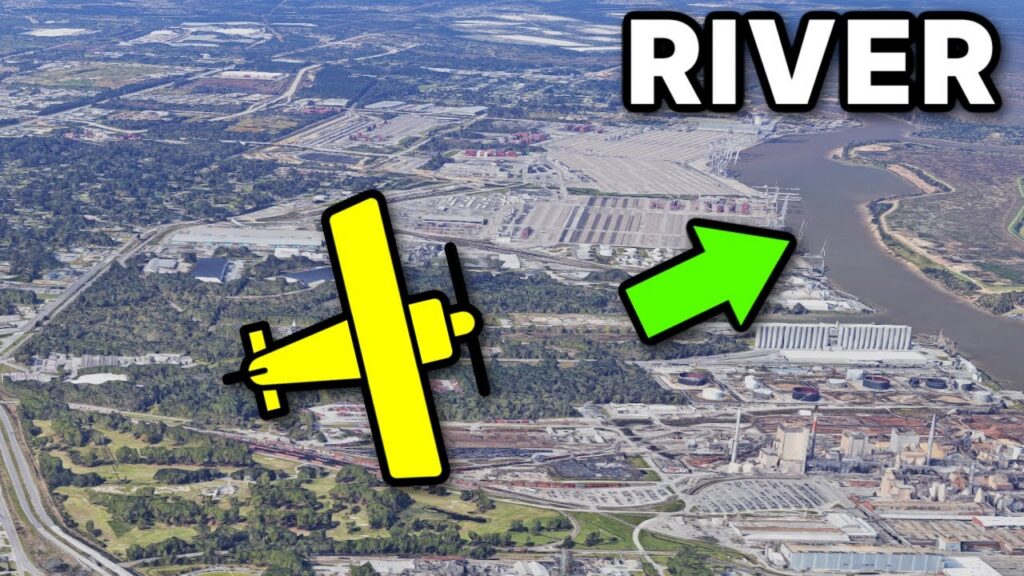
The controller and pilot discussed landing options and identified Nashville International as the closest airport option. The controller first issued a northerly heading, then directed a turn toward 030 degrees. At 7:35:50, with the airplane about 4,800 feet and traveling at 109 knots groundspeed, the pilot reported that he could maintain altitude.
That report described the capability he believed he had at that moment. It did not last. Less than a minute later, the airplane was about 4,500 feet, and the controller placed Nashville 11 miles ahead, slightly left of the nose. The pilot acknowledged instructions to proceed toward runway 2L.
The engine subsequently stopped. The pilot reported that the airplane was descending. The emergency had changed from reduced power with a possible airport arrival to a forced landing without engine thrust.
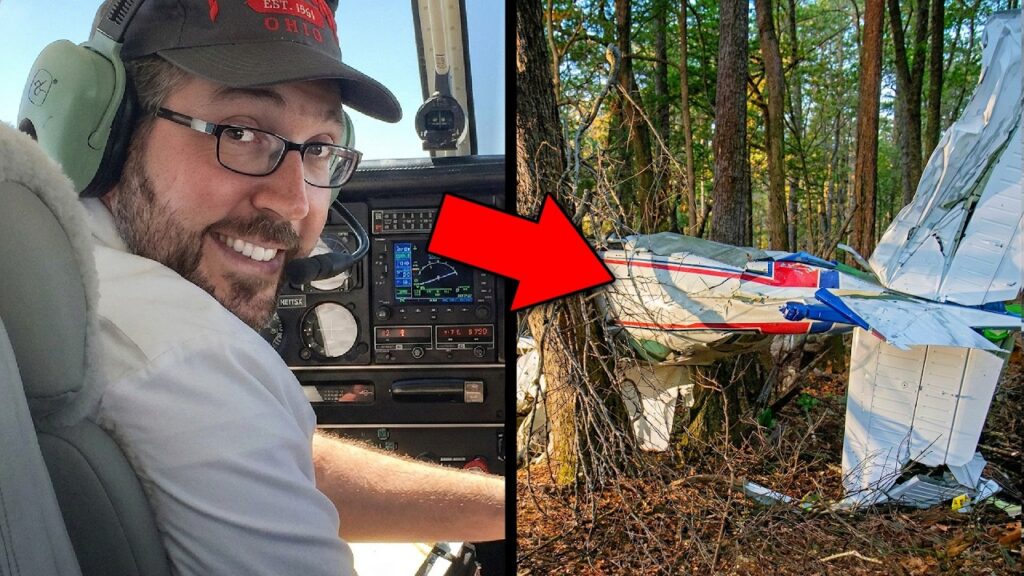
A witness on the ground saw the airplane maneuvering at about 75 feet. He heard no engine sound, only a whistling noise. The airplane struck wires, crossed the road on which he was driving, and stopped in trees on the other side.
The witness then saw a fire begin while the airplane remained suspended. It shifted, fell from the trees, and became engulfed in flames. The accident occurred at about 7:41 a.m. The sequence left investigators with a destroyed airplane and an engine that had experienced a major internal failure.
Investigation Findings
At the site, investigators could not turn the crankshaft by hand. The oil suction screen was blocked with metal and rubber-like debris. Deeper examination revealed that the crankshaft had fractured at the rear edge of the No. 6 connecting-rod journal. The No. 6 rod and cap were damaged, and its bearing had been extruded.
The engine had received a field overhaul about ten years earlier. That overhaul included a replacement crankshaft. Despite the calendar time, the engine had accumulated only about 101 hours since the work. The failure therefore did not require a large number of recent operating hours to expose a problem introduced during the overhaul.
Metallurgical examination found fatigue cracking beginning at the surface where the connecting-rod journal blended into the crankshaft cheek. Similar cracking at the other end of the journal was consistent with excessive loads associated with contact between the connecting rods and engine case. As the cracking progressed, oil delivery to the No. 6 bearing was likely interrupted, destroying the bearing.
The installed crankshaft was not approved for this engine model. It had been made obsolete about 30 years before the overhaul, although it remained authorized in some other engines within the series. The connecting-rod bearings installed in the accident engine were also not approved for that model.
That distinction was central. A component can resemble another, fit within the same broad engine family, and remain authorized for some applications without being correct for this particular assembly. The NTSB concluded that the improper crankshaft installation led to its catastrophic failure and total power loss.
Investigators also found evidence that the crankshaft had been renitrided, a surface-hardening process. Its hardened layer was thicker than the original specification, and the core hardness was below specification. The Board considered it possible that those conditions reduced its tolerance for high loading and increased the potential for cracks. That was an additional possible contributor, not a replacement for the finding about the wrong crankshaft application.
The blocked suction screen initially offered another possible explanation: loss of lubrication. But the engine did not show the general oil-starvation pattern expected from a screen blockage affecting the whole system. The NTSB instead concluded that material resembling a magneto drive cushion likely entered the engine after the crankshaft failure caused large vibrations. Its fragments then collected in the screen.
This separation of cause from consequence mattered. Debris found after a catastrophic failure can be evidence of damage produced by the failure rather than the event that started it. The examination supported a crankshaft problem first, with the screen contamination following.
Two connecting rods were also labeled for different cylinder positions. Investigators considered that mismatch unlikely to have contributed to the accident, but it provided another indication of improper maintenance practices. The report distinguished that finding from the parts and loading conditions that actually explained the crankshaft failure.
NTSB Probable Cause
A total loss of engine power due to the catastrophic failure of the crankshaft resulting from the improper installation of the crankshaft for this application.
Safety Lessons
For maintenance personnel and owners, the general lesson is to verify part eligibility for the exact engine model and configuration. Approval for another engine in the same family is not enough. Overhaul documentation needs to make that traceability reviewable before the engine returns to service.
For pilots, a partial power loss needs a plan that still works if the remaining power disappears. In this accident, the pilot initially reported an ability to maintain altitude, then lost the engine completely. Available landing areas and aircraft performance change as altitude is used, so the nearest airport name alone does not establish a reachable landing site.
For anyone reading an accident report, preserve the difference between confirmed and possible mechanisms. The improper crankshaft application was causal. Renitriding effects were possible. The blocked screen was probably a consequence. Keeping those findings in order produces a more useful maintenance lesson than treating every abnormal component as an equally proven cause.
Watch the Full Analysis
Frequently Asked Questions
Q: What caused N600JG’s engine failure?
A: The NTSB found that a crankshaft improperly installed for that engine application failed catastrophically, causing total engine-power loss.
Q: How much time did the engine have since overhaul?
A: The engine had accumulated about 101 hours since a field overhaul approximately ten years before the accident. The overhaul included replacement of the crankshaft.
Q: Did a blocked oil screen initiate the engine failure?
A: The NTSB considered that unlikely. The broader engine did not show the expected general oil-starvation damage, and the screen debris likely entered after the crankshaft failure.
Sources and References