What Happened
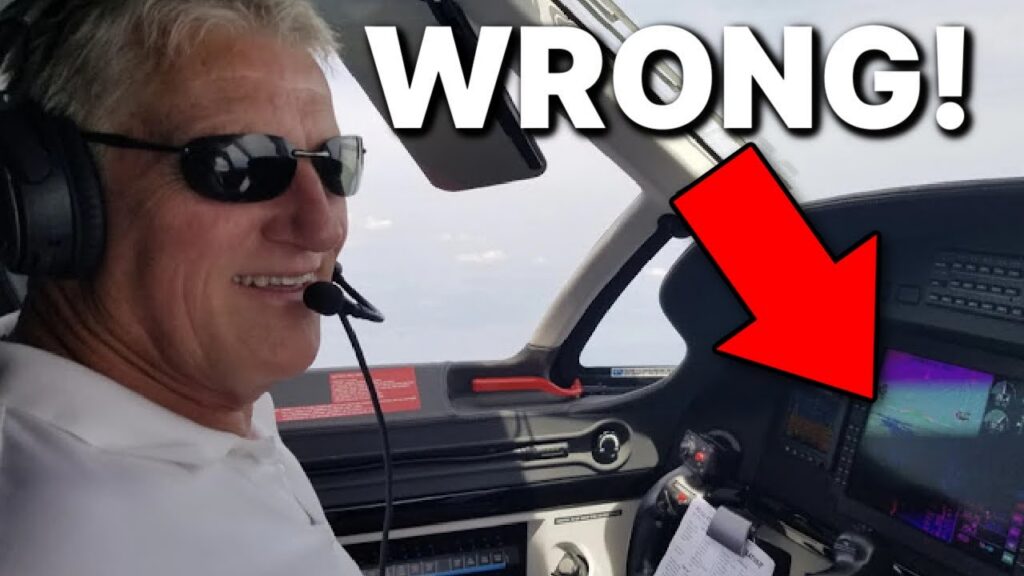
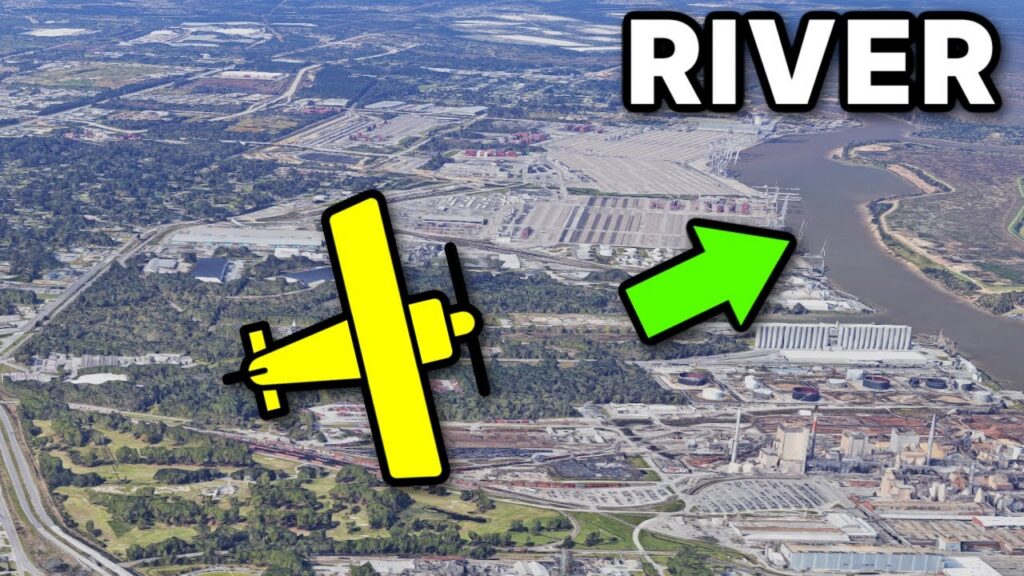
On February 26, 2022, at 10:43 a.m. eastern standard time, Piper PA-28-150 N5208W lost engine power near Savannah, Georgia. The student pilot made a forced landing in the Savannah River and was uninjured. The airplane sustained substantial damage.
The student had been returning to his home airport at the end of a solo flight. On short final for runway 01, the tower instructed him to discontinue the approach, turn right, and enter the left downwind for runway 28.
Once on downwind, the controller directed a right 360-degree turn. The student completed it, continued downwind, and turned left onto base. As he approached the turn toward final, the engine sputtered. The rpm dropped, recovered briefly, and then fell to about 300 rpm.
The engine did not regain power. The pilot determined that the runway was beyond reach and chose the river for the forced landing. The sequence had shifted from a routine solo arrival to an engine-out landing while the airplane was still in the traffic pattern.
When the airplane was recovered, its fuel selector was on the right tank. That tank contained about one gallon. The left tank held about two to three gallons. The presence of some fuel in the aircraft did not mean that usable fuel had remained available from the tank supplying the engine.
Investigation Findings
The airplane had two 25-gallon wing tanks, with 24 usable gallons per side. The owner’s handbook listed approximately 9 gallons per hour at 75 percent cruise power. That cruise figure did not include the separate demands of starting, taxiing, takeoff, and climb.
Fueling and dispatch records showed 4.1 hours of flight since the airplane was last filled to capacity. Dividing the 48 usable gallons by the nominal cruise consumption produced about 5.3 hours of cruise endurance. But that arithmetic did not establish how much usable fuel remained in the selected tank during the final approach.
The engine monitor showed fuel flows at or above 10 gallons per hour for approximately 21 minutes of the 1.1-hour accident flight. Actual consumption had therefore exceeded the nominal cruise figure for part of the trip. Time since refueling could support a fuel estimate, but it could not replace an accurate quantity check and management of the two tanks.
The student did not visually inspect the fuel quantity before departure. His instructor did look into the tanks, but the aircraft’s fuel-measuring device was broken and was not used. The distinction between looking into a tank and measuring its contents became important because the flight began without a reliable measured quantity in each tank.
The tanks were intact after recovery. Investigators found no evidence of fuel spilling into the river and no mechanical deficiency that would have prevented normal operation. That supported the conclusion that the small recovered quantities reflected a low-fuel condition, rather than a substantial load lost through impact damage.
The NTSB concluded that the right tank’s available fuel was exhausted while that tank remained selected. The resulting event was fuel starvation: the engine did not receive fuel from the selected supply. That was more specific than saying every tank in the airplane was completely empty.
The controller-directed changes extended the arrival, but the probable cause identified the student’s improper fuel management. The evidence did not establish that the controller instructions created the underlying quantity or tank-selection problem.
NTSB Probable Cause
The student pilot’s improper fuel management, which resulted in a total loss of engine power due to fuel starvation.
Safety Lessons
The following takeaways apply the investigation findings to flight planning and cockpit decisions.
- Establish a usable quantity before a solo flight. Use the approved method for the aircraft to verify fuel, including each tank. If the measuring method is unavailable, resolve that uncertainty before dispatch rather than relying on an impression of how much is visible.
- Manage tanks as well as total endurance. An aircraft can contain fuel that is not reaching the engine. Follow the aircraft procedures for tank selection and fuel management, and know which supply is feeding the engine throughout the flight.
- Allow for a changed arrival. Traffic sequencing, runway changes, and go-arounds can extend a flight. Build fuel planning around usable reserves and actual consumption, not a best-case cruise calculation that ends exactly at the first planned landing.
Watch the Full Analysis
Frequently Asked Questions
Q: Why did the student pilot land in the Savannah River?
A: The engine lost power in the traffic pattern. The pilot determined he could not reach the runway and selected the river for the forced landing.
Q: Was the Piper completely out of fuel?
A: Investigators recovered about one gallon from the selected right tank and two to three gallons from the left. The NTSB concluded that the engine lost power from fuel starvation after the right tank available supply was exhausted.
Q: Was there an engine defect in N5208W?
A: Investigators found no mechanical deficiency that would have prevented normal operation. The probable cause was improper fuel management.
Sources and References