
What Happened
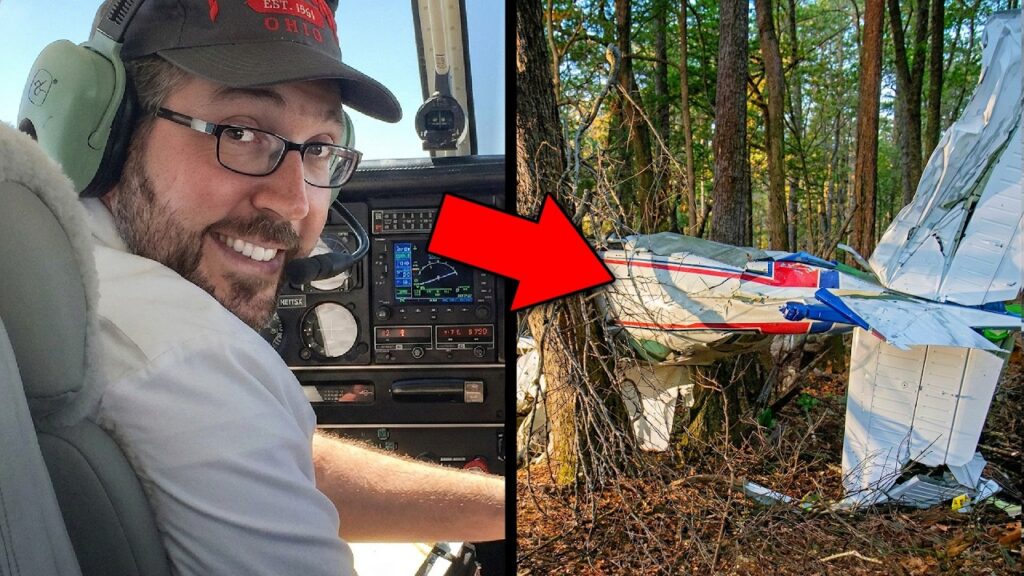
On January 19, 2023, Beech A36 N19MT departed John F. Kennedy International Airport in New York. A cylinder-temperature warning developed almost immediately, but the flight continued. After the pilot reported a dead cylinder and falling oil pressure, the engine failed completely. The airplane crashed near North Castle, less than a mile from the intended runway at Westchester County Airport, killing the pilot and passenger.
The departure from runway 4L was at about 1658 eastern standard time. At 1659:23, approximately one nautical mile beyond the departure end, the No. 4 cylinder head temperature reached 463 degrees Fahrenheit. The maximum permitted value was 460 degrees.
The temperature did not settle back into the normal range. It rose to a recorded maximum of 711 degrees at 1700:39, then fell below the temperatures of the other cylinders. Those other cylinders had remained within their normal range.
The decreasing No. 4 temperature did not establish that the initial problem had corrected itself. Investigators considered it consistent with the fuel-air mixture in that cylinder no longer firing. The flight continued while that transition took place.
About 18 minutes after takeoff, the pilot requested a lower altitude because climb performance was degraded. As the flight continued, he recognized a dead cylinder and asked for a heading to a nearby airport. The controller issued a vector, but the airplane did not turn onto it for more than two minutes.
At about six nautical miles from the airport, the pilot declared an emergency and reported dropping oil pressure. After finally turning toward the assigned heading, the airplane began another right turn that had neither been directed by the controller nor announced by the pilot.
The controller instructed him to level the wings and maintain 5,000 feet mean sea level. The altered heading required another vector, adding distance and flight time to the runway. Meanwhile, the recorded engine data showed a complete loss of power.
The airplane continued descending and struck trees and the ground short of the airport. The NTSB record established a mechanical failure with an escalating set of indications, alongside difficulties executing the diversion before the remaining power was gone.
Investigation Findings
Examination showed damage to the top and sides of the No. 4 piston. The NTSB concluded that pre-ignition or detonation likely caused that damage. These were abnormal combustion processes; the investigation did not reduce them to a proven pilot mixture-setting error.
The damaged piston allowed pressure into the crankcase. That pressure pushed oil out through the breather system until the engine’s oil supply was exhausted. The resulting lack of oil led to catastrophic internal engine failure.
That chain explained how an initial problem affecting one cylinder could become a complete engine failure. It was not simply a flight on an engine with one less functioning cylinder. The loss of oil created a worsening condition that ultimately affected the whole engine.
Both No. 4 spark plugs had extensive deposits. One had a separated section of its core-nose insulator, and the other had a cracked insulator. Investigators could not establish whether those conditions started the abnormal combustion or resulted from it. The distinction prevented a definite spark-plug root-cause conclusion.
The Board considered several potential reasons for detonation, including ignition timing, temperature, deposits, fuel quality, and mixture. Magneto-to-engine timing could not be determined after the accident. No anomalies were identified in the examined magneto or ignition harness, and the other evidence did not establish a specific initiating cause.
The pilot’s mixture position and leaning technique were unknown. The report considered it unlikely that he would intentionally lean to a cylinder-temperature exceedance because that would conflict with the limitations and takeoff procedures. It therefore did not attribute the initial failure to an established leaning error.
The airplane had been modified under supplemental type certificates, including installation of a different engine and propeller. The applicable limitations set maximum cylinder head temperature at 460 degrees and minimum oil pressure at 30 psi. The handbook’s emergency section did not contain a checklist specifically for excessive cylinder head temperature or loss of oil pressure.
Recorded data needed interpretation as well. The engine monitor included fuel-flow values well above the engine manufacturer’s full-power specification, with implausibly high peaks. Those values were not a basis for calculating actual fuel consumed or claiming that an excessive measured fuel flow caused the accident.
The official probable cause remained the pre-ignition/detonation damage for undetermined reasons and the resulting oil exhaustion and internal failure. The delayed turn and extra vector were relevant to the airplane’s path to the airport, but they should not replace that mechanical finding in a headline or explanation.
NTSB Probable Cause
The pre-ignition/detonation damage to the No. 4 piston for reasons that could not be determined, which allowed the crankcase to become pressurized and resulted in oil exhaustion and subsequent catastrophic internal engine failure.
Safety Lessons
The following takeaways apply the investigation to flight planning and training. They do not replace the aircraft flight manual or instruction in the airplane.
- Treat an exceedance as a reason to reassess the flight. Know the installed engine’s limits and monitor trends across multiple indications. A cylinder becoming cooler after an extreme rise does not necessarily mean the engine has recovered.
- Simplify a diversion while power remains. Communicate the problem early, ask for help, and keep aircraft control and the route to a suitable landing area central. When workload prevents executing a heading, say so rather than letting the expected and actual flightpaths diverge silently.
- Keep diagnosis proportional to the evidence. Engine instruments can identify an abnormal condition without revealing its precise cause. Use the applicable procedures and training to respond, and leave unresolved component-level causes unresolved in the later debrief.
Watch the Full Analysis
Frequently Asked Questions
Q: What caused the A36 engine failure?
A: Damage from pre-ignition/detonation in the No. 4 piston pressurized the crankcase, expelled oil, and led to catastrophic internal engine failure. The initiating reason for the abnormal combustion was undetermined.
Q: How early did the temperature exceed its limit?
A: The No. 4 cylinder temperature exceeded the 460-degree-Fahrenheit limit about one nautical mile beyond the departure end of the runway, shortly after takeoff.
Q: Did investigators find that the pilot leaned the mixture incorrectly?
A: No. The mixture position and leaning technique were unknown, and the NTSB did not identify an established pilot leaning error as the cause.
Sources and References