What Happened
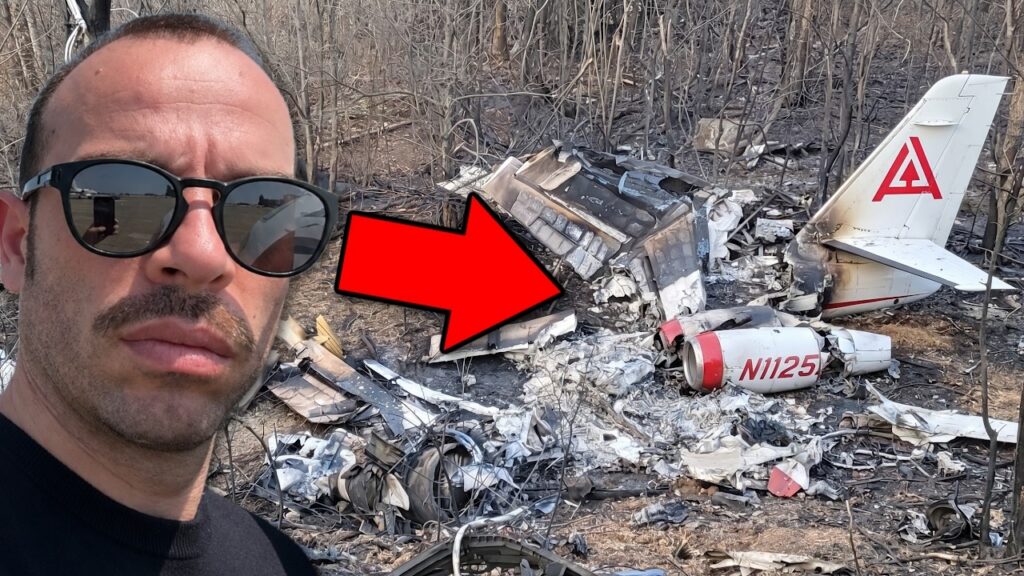
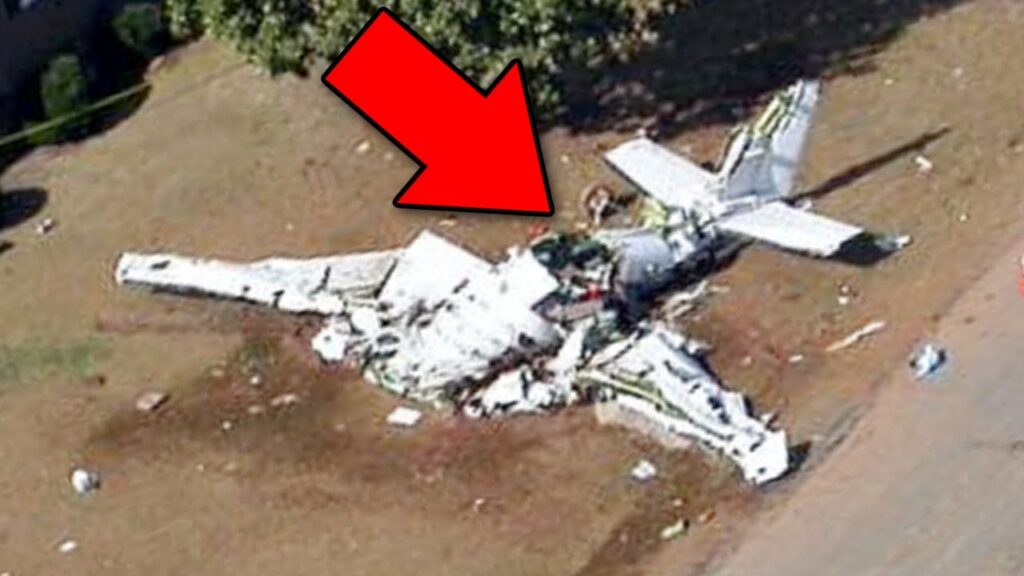
On February 1, 2008, about 11:28 a.m. eastern standard time, King Air C90A N57WR struck terrain near Mount Airy/Surry County Airport, North Carolina. The commercial pilot, a pilot-rated passenger, and four other passengers were killed. The airplane had arrived on an instrument flight plan from Cedartown, Georgia, and was maneuvering after an approach in rain, low cloud, and fog.
The flight reached the Mount Airy area about 50 minutes after departure. Greensboro Approach instructed the pilot to maintain 4,000 feet mean sea level until the EDLIF waypoint, cleared the GPS approach to runway 36, and directed a change to the airport’s advisory frequency.
Witnesses heard the pilot announce final for runway 36. They saw the airplane emerge from the cloud near the airport at about 500 feet above ground level, then descend rapidly by roughly another 200 feet.
The airplane moved to the left of the runway and flew parallel to it. At the runway end, witnesses saw a hard left turn and a climb back into fog. A few minutes later, the aircraft emerged below the cloud in a nose-down attitude and disappeared behind trees east of the airport.
Recorded evidence explained what the witnesses could not see. The pilot had deliberately descended below minimum descent altitude and attempted to circle to land below the published circling minimums. He then lost visual contact with the airport environment.
After the airplane leveled off, engine power was not increased. Airspeed decreased. The enhanced ground-proximity system recorded a reduction of approximately 75 knots during the final 20 seconds. Sink-rate and stall warnings preceded the uncontrolled descent into terrain.
Investigation Findings
The NTSB identified the failure to maintain control in instrument conditions as the probable cause. It also identified the descent below minimum descent altitude and the failure to fly the published missed approach as contributing factors. The altitude decision and subsequent control loss were connected, but distinct.
The cockpit recording contained comments showing that the pilot intended to descend below minimums before acquiring the airport visually and anticipated needing a circling approach. This was not merely an unnoticed altitude excursion. The NTSB found a deliberate decision to go below the procedure’s protected limit.
Conditions in the area included rain, ceilings between approximately 300 and 600 feet, and visibility around 2.5 miles in fog. A brief view of the airport did not provide sustained visual conditions for the maneuver the pilot attempted. Once contact was lost, he was in a low-altitude turn close to the airport with insufficient airspeed being maintained.
The loss of 75 knots in 20 seconds documented how quickly the situation deteriorated. The aircraft’s flight path had changed, but the power setting had not been increased after level-off. The airplane eventually exceeded the aerodynamic conditions for continued controlled flight and stalled.
Investigators found no pre-impact failure or malfunction in the aircraft or its systems. The record supported an aircraft-control and approach-procedure sequence, not a demonstrated mechanical power-loss event.
The recording also documented nonprofessional behavior before the approach. Toxicology and medical records identified medication use and conditions that the pilot had not disclosed on earlier medical applications. However, the NTSB could not determine whether those medical issues explained his behavior or contributed to the accident. The article therefore does not use them to diagnose the pilot or replace the Board’s stated cause.
The title of the accompanying video emphasized the pilot’s cockpit behavior. For pilots studying the accident, the operational sequence was more specific: a planned descent below minimums, an attempted low circling maneuver, loss of visual reference, decaying airspeed, and a stall.
NTSB Probable Cause
The pilot’s failure to maintain control of the airplane in instrument meteorological conditions. Contributing to the accident were the pilot’s improper decision to descend below the minimum descent altitude, and failure to follow the published missed approach procedure.
Safety Lessons
The following takeaways apply the investigation findings to flight planning and cockpit decisions.
- Decide the missed approach before reaching minimums. Brief the published procedure and the conditions that require its execution. A plan to descend first and acquire the airport afterward removes the protection the approach provides.
- Treat circling as its own protected maneuver. A runway in sight momentarily does not establish that a circling approach can remain within its altitude and visual requirements. If the required references cannot be maintained, follow the applicable missed-approach procedures.
- Monitor energy through every transition. Leveling, turning, and changing from an approach to a missed approach require coordinated power and attitude management under the aircraft procedures. Keep airspeed monitoring active when attention is pulled outside.
Watch the Full Analysis
Frequently Asked Questions
Q: What caused the King Air crash at Mount Airy?
A: The NTSB found that the pilot failed to maintain control in instrument conditions. Descent below minimums and failure to follow the published missed approach contributed.
Q: Did N57WR suffer an engine failure?
A: No pre-impact mechanical failure was found. The investigation identified a loss of airspeed after engine power was not increased following level-off.
Q: How quickly did the King Air slow down?
A: Recorded ground-proximity system data showed a deceleration of about 75 knots during the final 20 seconds of flight.
Sources and References