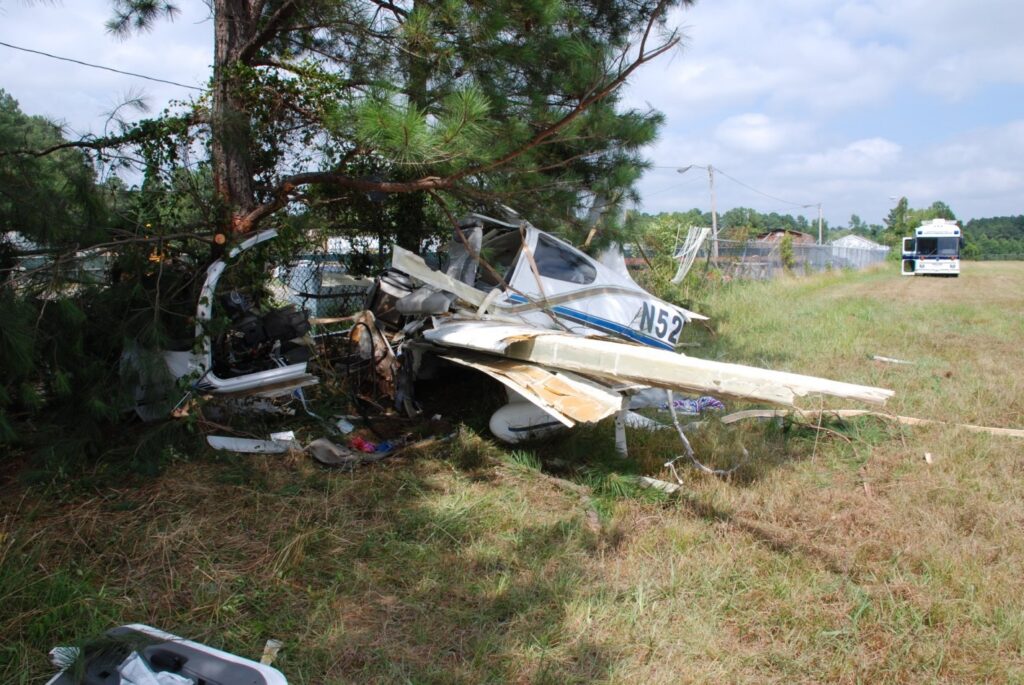
What Happened
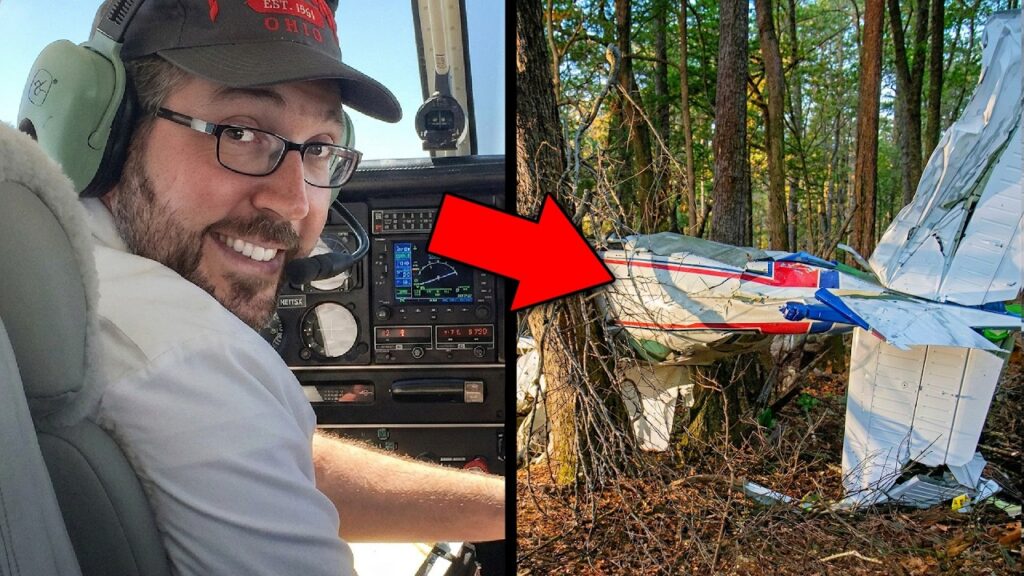
On July 12, 2010, at 1:13 PM, a 2000 Cirrus SR20, N527MJ, was on final approach to runway 9 at Horace Williams Airport in Chapel Hill, North Carolina. The 66-year-old private pilot had departed Sussex County Airport in Delaware that morning with two passengers for what should have been a routine personal flight. The pilot held 462 total hours, with nearly 200 hours in the SR20, but this was his first landing at Chapel Hill.
As the Cirrus approached the 4,005-foot runway, witnesses on the ground noticed the airplane was moving faster than they typically saw small aircraft operate. The wind was light from the south at 4 knots, but the pilot was landing with a slight tailwind component on runway 9. The airplane made a hard touchdown, then immediately bounced back into the air.
The second contact was even more violent. The nose gear hit first, launching the airplane higher. A third bounce followed, then a fourth, each impact progressively worse as the nose gear struck the runway surface before the main gear. By now the airplane was midfield, about 2,500 feet down the runway, and the bouncing had become increasingly pronounced. The rear seat passenger later described watching the airplane “hop” multiple times before the pilot applied power.
With the engine now at full power, the SR20 departed the left side of the runway at 80 degrees magnetic heading. But the airplane didn’t have enough energy to climb. Instead, it skimmed across the grass with its nose pitched up about 45 degrees. Witnesses estimated the airplane was traveling 60 to 70 mph as it slid sideways across the ground, rotating nearly 180 degrees to the left.
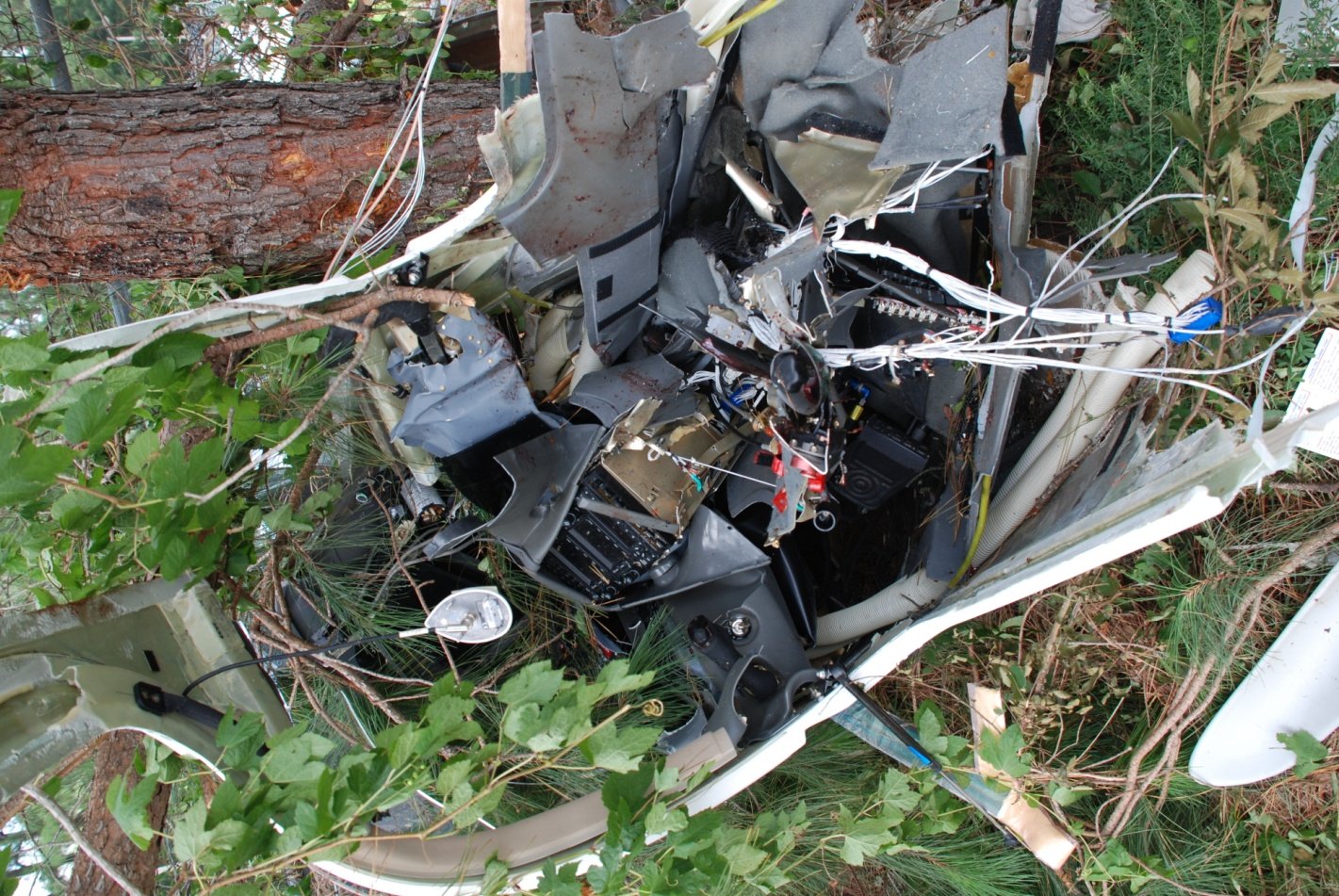
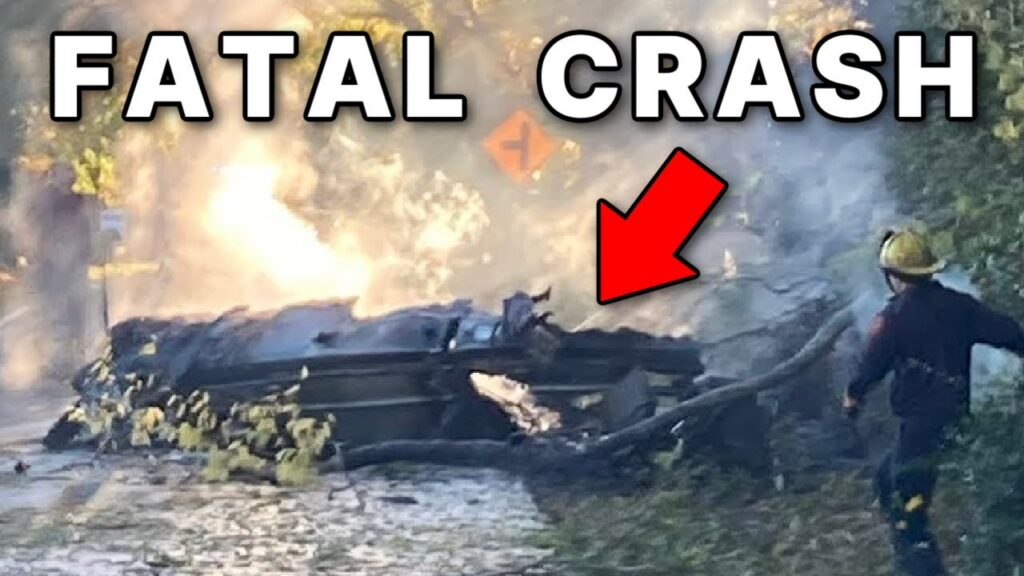
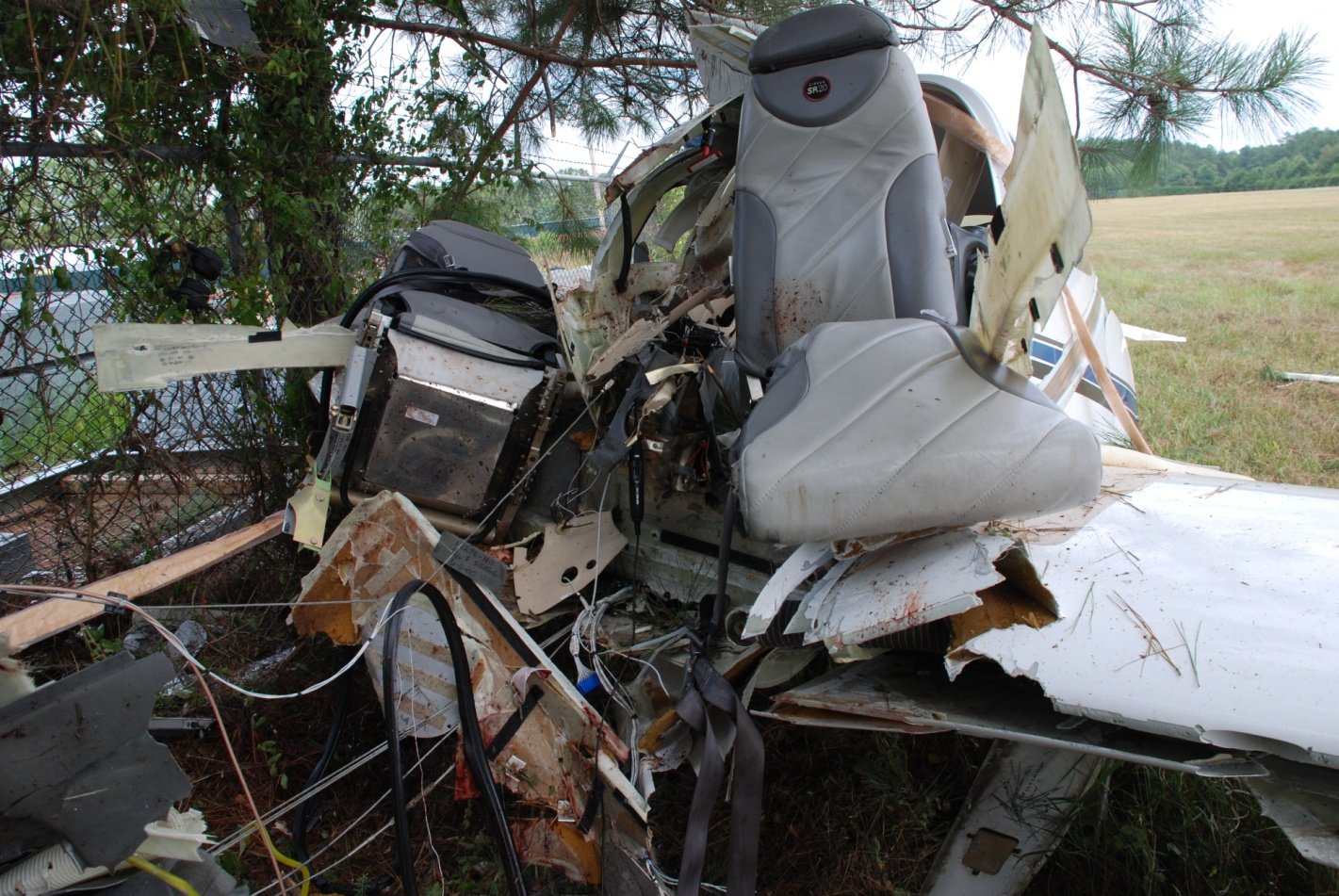
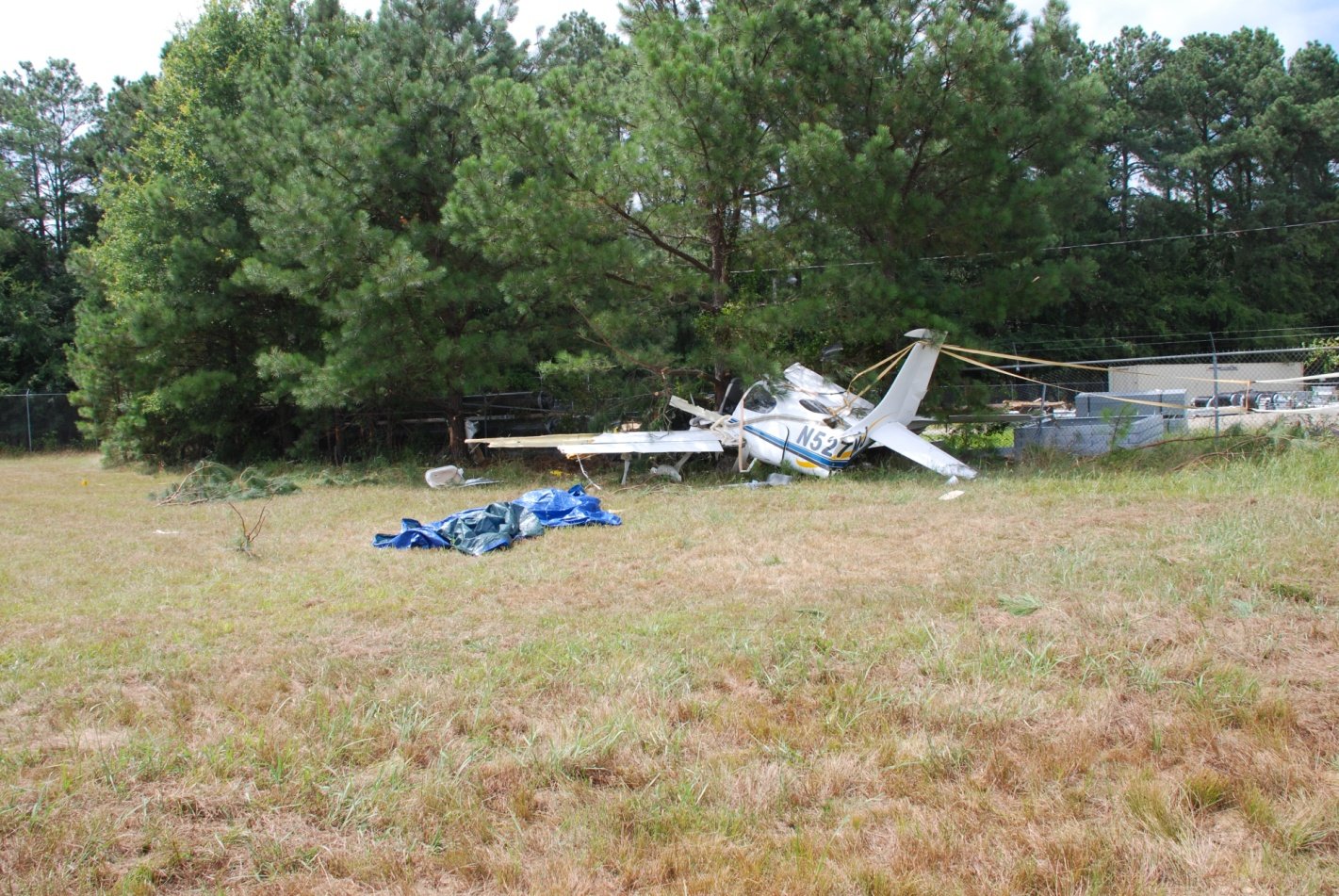
The airplane traveled 840 feet through the grass before the left wing struck pine trees and the airport perimeter fence. The impact spun the aircraft around, and it came to rest facing almost the opposite direction from its original heading. The Cirrus Airframe Parachute System deployed immediately after the collision. The pilot was killed on impact, while the front-seat passenger suffered serious injuries and the rear passenger sustained minor injuries.
Investigation Findings
The NTSB’s examination of the wreckage revealed critical information about the attempted go-around. Ground scars showed three distinct tail strikes in the grass as the airplane bounced and scraped along the surface. The propeller exhibited chordwise scarring on all blades, confirming the engine was producing power when it struck the trees.
Most significantly, investigators found both flaps in the fully retracted position. According to the Cirrus SR20 Pilot’s Operating Handbook, the proper procedure for a balked landing or go-around requires the pilot to first apply full power, then immediately reduce flaps to 50 percent. The flaps provide additional lift and reduce stall speed during the critical go-around phase.
The engine examination revealed no mechanical anomalies. Weather conditions were excellent with clear skies and 10-mile visibility. The pilot had been receiving VFR flight following but canceled services in the vicinity of Chapel Hill. No flight plan had been filed for the trip.
NTSB Probable Cause
The pilot’s improper recovery from a bounced landing and subsequent improper go-around procedure, which resulted in a loss of directional control, runway excursion, and collision with a tree.
Safety Lessons
This accident illustrates how a chain of decisions during a bounced landing can quickly cascade into a fatal loss of control. The pilot’s unfamiliarity with the airport, combined with an improper go-around technique, created a situation where recovery became impossible.
- Master the bounce recovery decision point. After the second bounce, continuing the landing was no longer an option. The airplane was midfield with deteriorating control. The decision to go around should have been made immediately after the first significant bounce, when there was still adequate runway remaining.
- Execute go-around procedures by memory. The Cirrus requires flaps at 50 percent for a proper go-around to provide additional lift and control authority. With flaps fully retracted, the wing was producing minimal lift at the low airspeed, making directional control nearly impossible once the airplane left the runway surface.
- Recognize when to use the parachute system. Once the airplane departed the runway with insufficient energy to climb, activating the Cirrus Airframe Parachute System might have resulted in a better outcome than attempting to continue the failed go-around. The system deployed after impact but could have been utilized earlier when loss of control became apparent.
Frequently Asked Questions
Q: Why didn’t the pilot just land after the first bounce instead of attempting a go-around?
A: The pilot may have felt he could salvage the landing, but by the fourth bounce at midfield, a go-around became the only option. The key is recognizing early that a bounced landing is not improving and making the go-around decision while there’s still adequate runway ahead.
Q: What role did the flap setting play in this accident?
A: The flaps were found in the fully retracted position, but Cirrus procedures require 50 percent flaps during a go-around. This provided inadequate lift at low airspeed and likely contributed to the loss of directional control once the airplane left the paved surface.
Q: Could the pilot have used the parachute system to avoid this accident?
A: Potentially yes. Once the airplane departed the runway with insufficient energy to climb, the Cirrus Airframe Parachute System could have been activated. The system did deploy after impact, suggesting it was functional, but earlier activation might have prevented the tree strike.
Q: How common are bounced landing accidents?
A: Bounced landings are relatively common, but they become dangerous when pilots fail to execute proper recovery procedures or attempt to salvage an unstable approach. Most result in runway excursions or loss of control during an improper go-around attempt.