What Happened
On September 3, 2008, at 1553 central daylight time, a 1997 Socata TB-20 Trinidad, N597TB, crashed near Cassville Municipal Airport in Wisconsin, killing the right-seat pilot and seriously injuring the left-seat pilot. Both aviators were University of Dubuque aviation students planning what should have been a routine flight to pick up a friend at Prairie du Chien Airport.
The flight began normally that afternoon when the two pilots departed Dubuque Regional Airport at 1353. The left-seat pilot held a commercial certificate with 329 total hours, including 53 hours in the TB-20. The right-seat pilot held a private certificate with 181 total hours but only 2.1 hours in type. He hadn’t completed the 10 hours of training required by the university’s commercial curriculum for TB-20 checkout.
Sometime after takeoff, something unexpected happened. The right cabin door opened in flight for reasons that remain unknown. The gull-wing style door on the TB-20 hinges at the top of the fuselage, and with the door suddenly open, the right-seat pilot reached over to hold it closed while the left-seat pilot made the decision to divert to Cassville Municipal Airport, about 21 nautical miles northwest of their departure point.
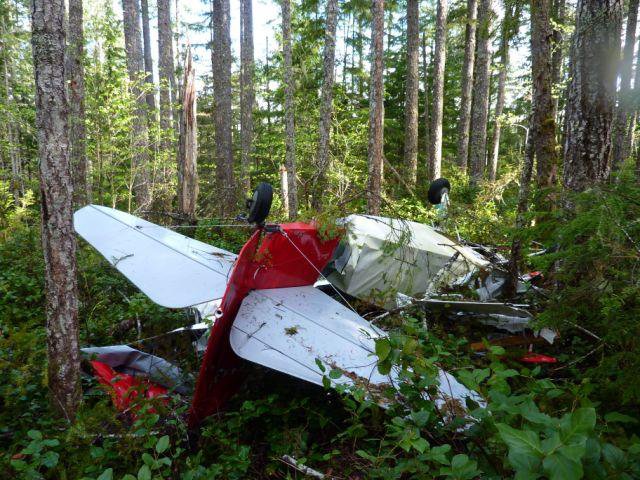
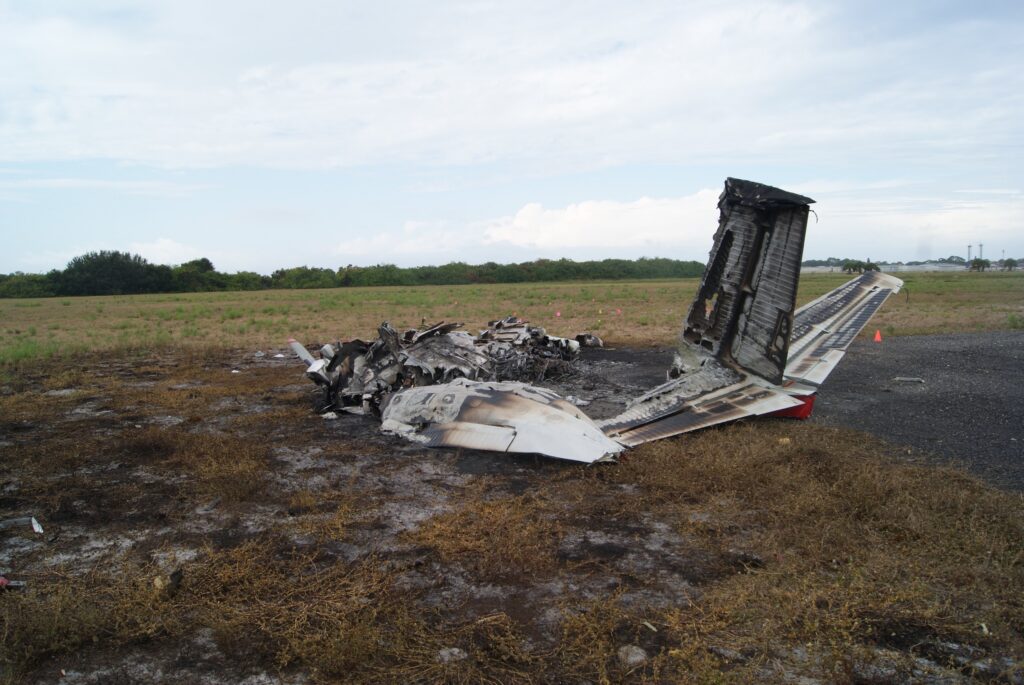
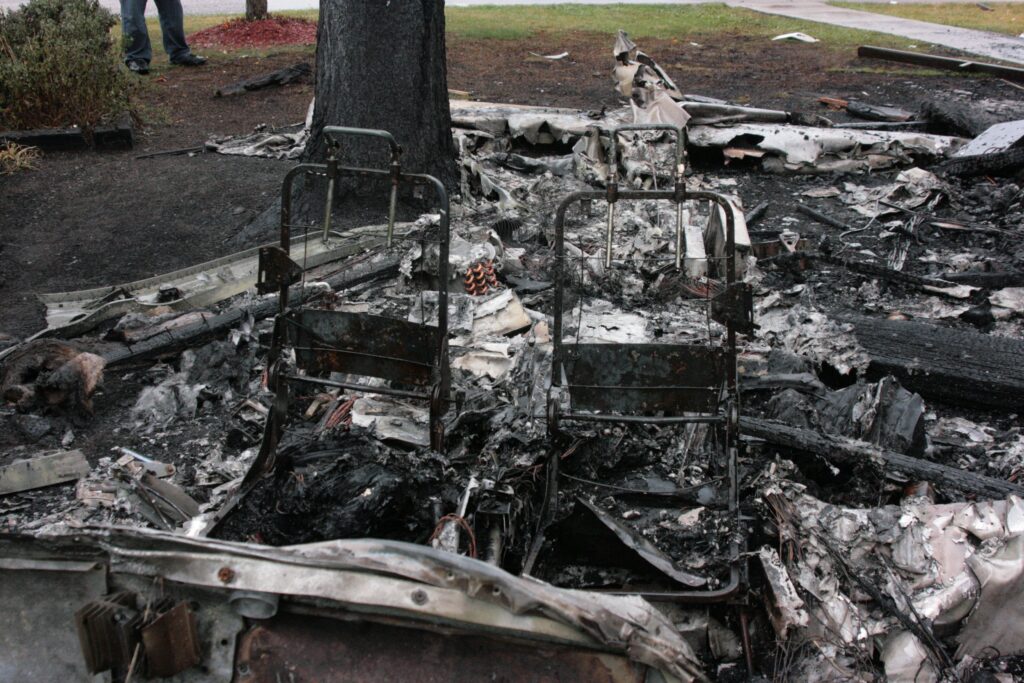
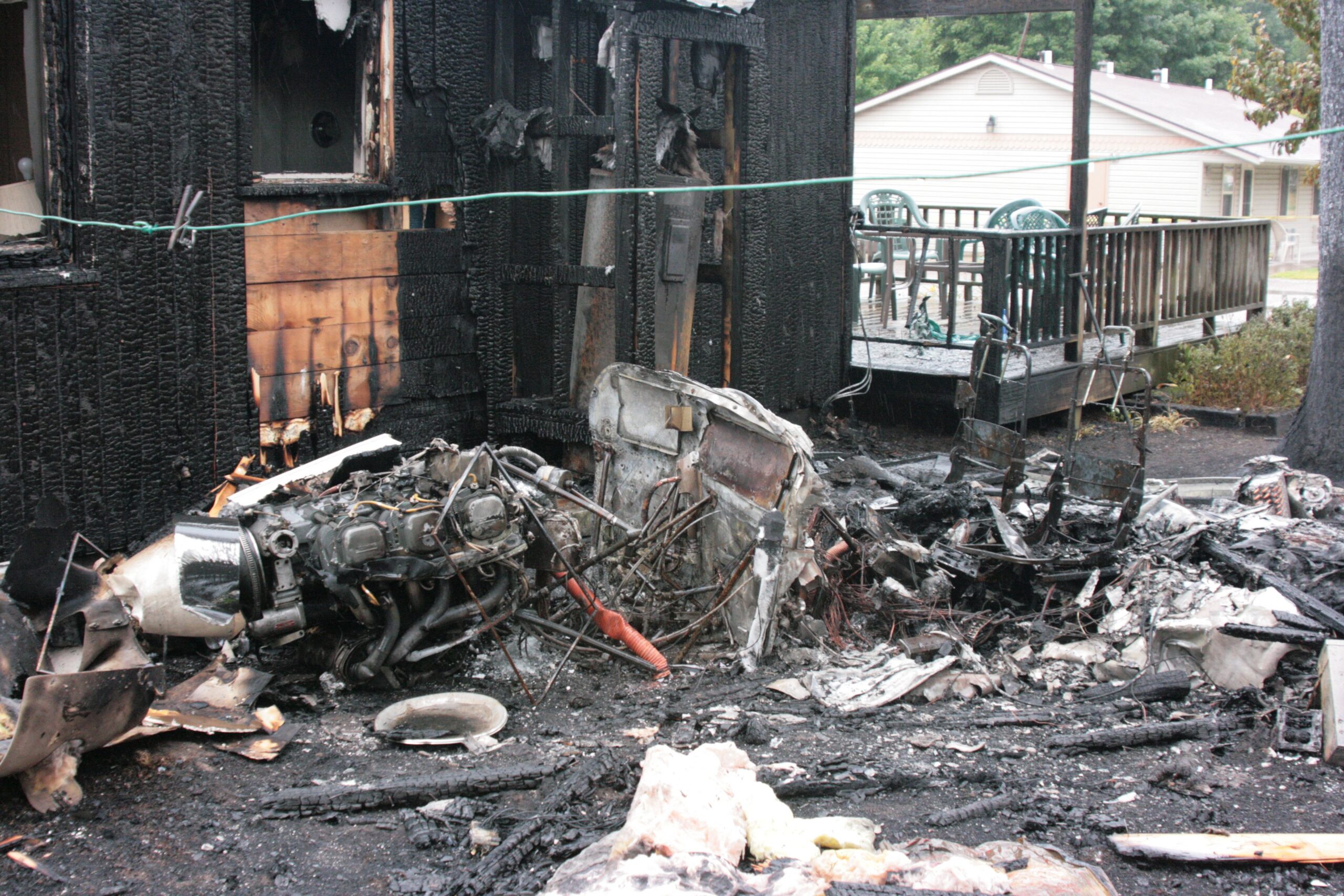
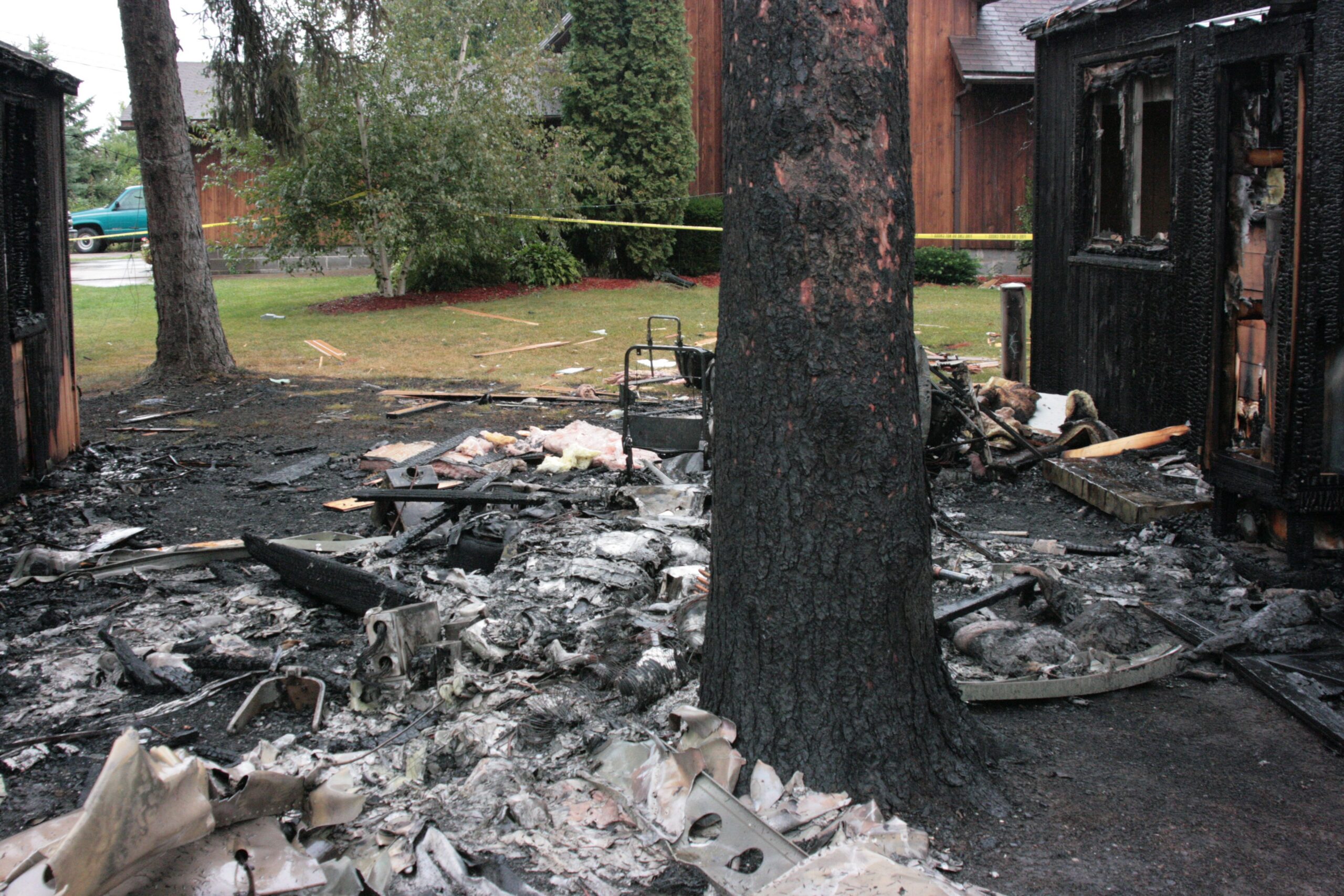
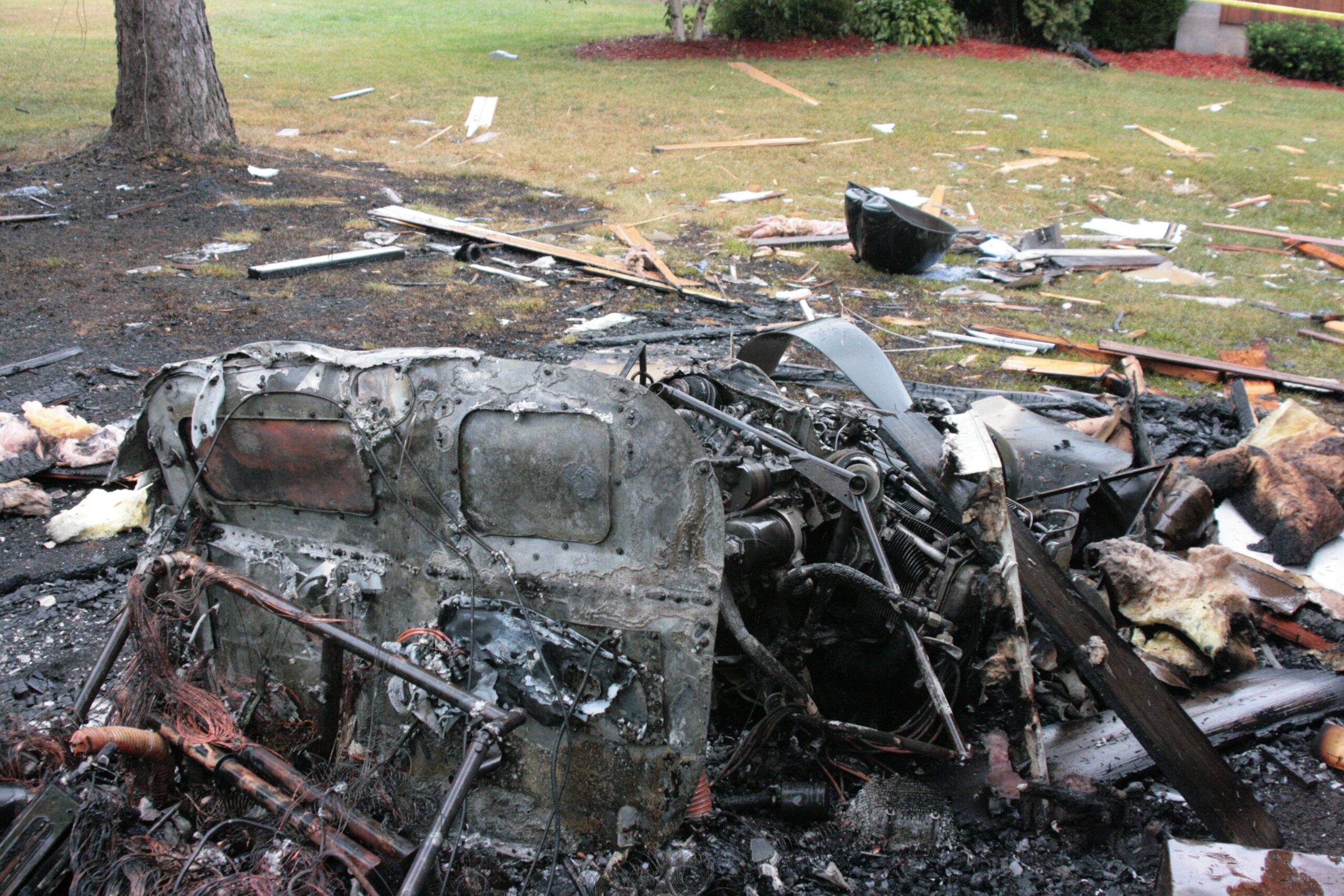
They approached runway 11 at Cassville, but the left-seat pilot wasn’t satisfied with how the approach looked. He initiated a go-around. That’s when the situation turned critical. During the go-around, the right cabin door opened again. The airplane rolled to the right, and the left-seat pilot lost control. The TB-20 impacted terrain about 500 feet from the approach end of the runway, coming to rest upright between two motel cottages. Post-impact fire consumed the aircraft and both buildings.
Investigation Findings
The NTSB’s investigation revealed several key details about the door mechanism and the aircraft’s configuration at impact. The TB-20 was equipped with composite gull-wing doors that articulate around hinges on the top of the fuselage. A compensating cylinder on the rear part of each door controls the opening and closing speed. The manufacturer’s representative confirmed that the TB-20 had never been flight tested with an open cabin door, and the pilot’s manual explicitly prohibited flight with doors open or ajar.
Physical evidence showed the airplane’s landing gear was extended and flaps were set to 10 degrees at impact, consistent with a go-around configuration. Propeller strike marks were found in the motel driveway. Of the four door hook assemblies that normally secure the door, investigators found only one, separated from the door within the main wreckage. The hook assembly showed overload fractures consistent with excessive stress, but the exact sequence of the door opening remained undetermined.
The University of Dubuque operated four TB-20s in their training fleet, all equipped with steel door hook assemblies. The maintenance director reported no previous incidents of cabin doors opening in flight on any of their TB-20s. However, the university didn’t maintain archives of maintenance discrepancy reports, and the aircraft dispatch book was destroyed in the post-crash fire. A search of FAA Service Difficulty Reports revealed only one TB-20 door-related issue among 34 total reports for the type.
NTSB Probable Cause
The left seat pilot’s failure to maintain control of the airplane during a go-around and the inadvertent in-flight opening of the cabin door for undetermined reasons. Contributing to the accident was the distraction of the door opening.
Safety Lessons
This accident highlights the critical importance of maintaining aircraft control during unexpected situations, even when faced with significant distractions. The door opening created a cascade of problems that ultimately overwhelmed the crew’s ability to safely manage the flight.
- Practice emergency procedures beyond the checklist. While an open door isn’t covered in emergency procedures for the TB-20, pilots should discuss and mentally rehearse responses to any significant in-flight distraction. The left-seat pilot had received some training on door-open scenarios in a Cessna, but this experience didn’t translate directly to the TB-20’s different door design and flight characteristics.
- Secure the aircraft before attempting complex maneuvers. The decision to perform a go-around with an intermittently opening door created a perfect storm of distraction and increased workload. Sometimes the safer choice is to accept a less-than-perfect landing rather than add complexity to an already compromised situation.
- Understand your aircraft’s limitations thoroughly. The manufacturer prohibited flight with doors open, and the aircraft had never been tested in this configuration. When operating outside normal parameters, extreme caution is warranted, and the safest option may be an immediate landing at the nearest suitable airport.
Frequently Asked Questions
Q: Can a Socata TB-20 be safely flown with a cabin door open?
A: No. The manufacturer’s pilot manual explicitly prohibits flight with doors open or ajar. The aircraft was never flight tested in this configuration, and the gull-wing door design creates unknown aerodynamic effects that could compromise control.
Q: What typically causes cabin doors to open in flight?
A: Door openings can result from improper latching during preflight, worn or damaged door hardware, or failure of the locking mechanism. In this case, investigators found evidence of overload failure in the door hook assembly, but the root cause remained undetermined.
Q: How should pilots respond to a cabin door opening during flight?
A: The immediate priority is maintaining aircraft control. Reduce airspeed if possible to minimize aerodynamic forces on the door, and plan for the nearest suitable airport. Avoid complex maneuvers like go-arounds unless absolutely necessary, as these increase workload when you’re already dealing with a significant distraction.
Q: Are gull-wing doors more prone to opening in flight than conventional doors?
A: Gull-wing doors have different mechanical stresses compared to conventional doors because they open upward against gravity rather than outward against airflow. However, when properly latched and maintained, both designs should remain secure in flight. The key is ensuring proper latching procedures and regular inspection of door hardware.