What Happened
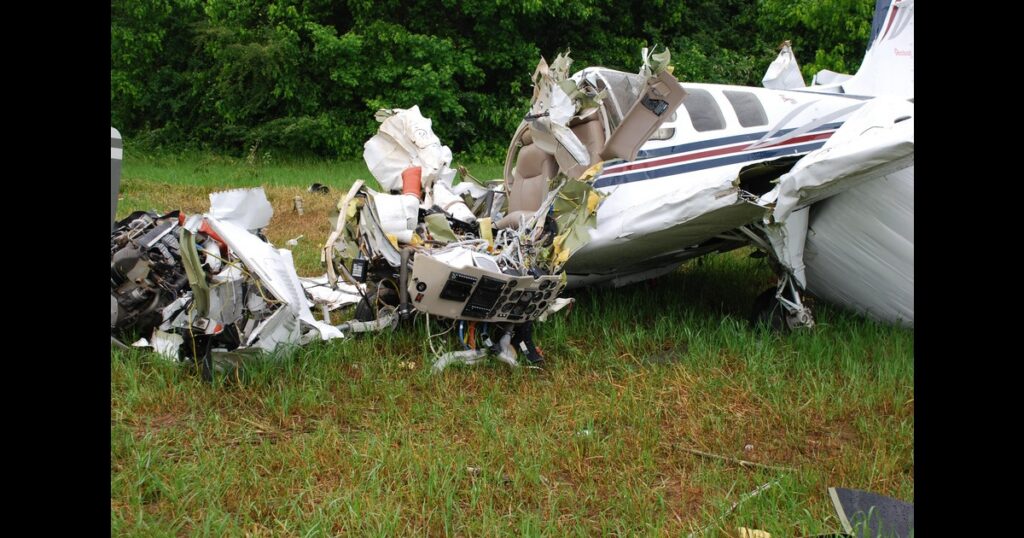
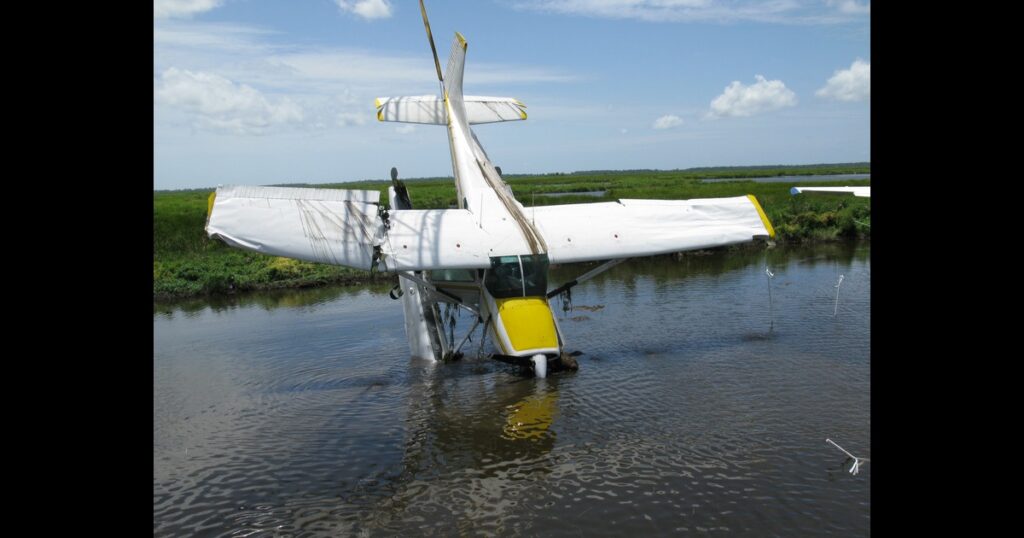
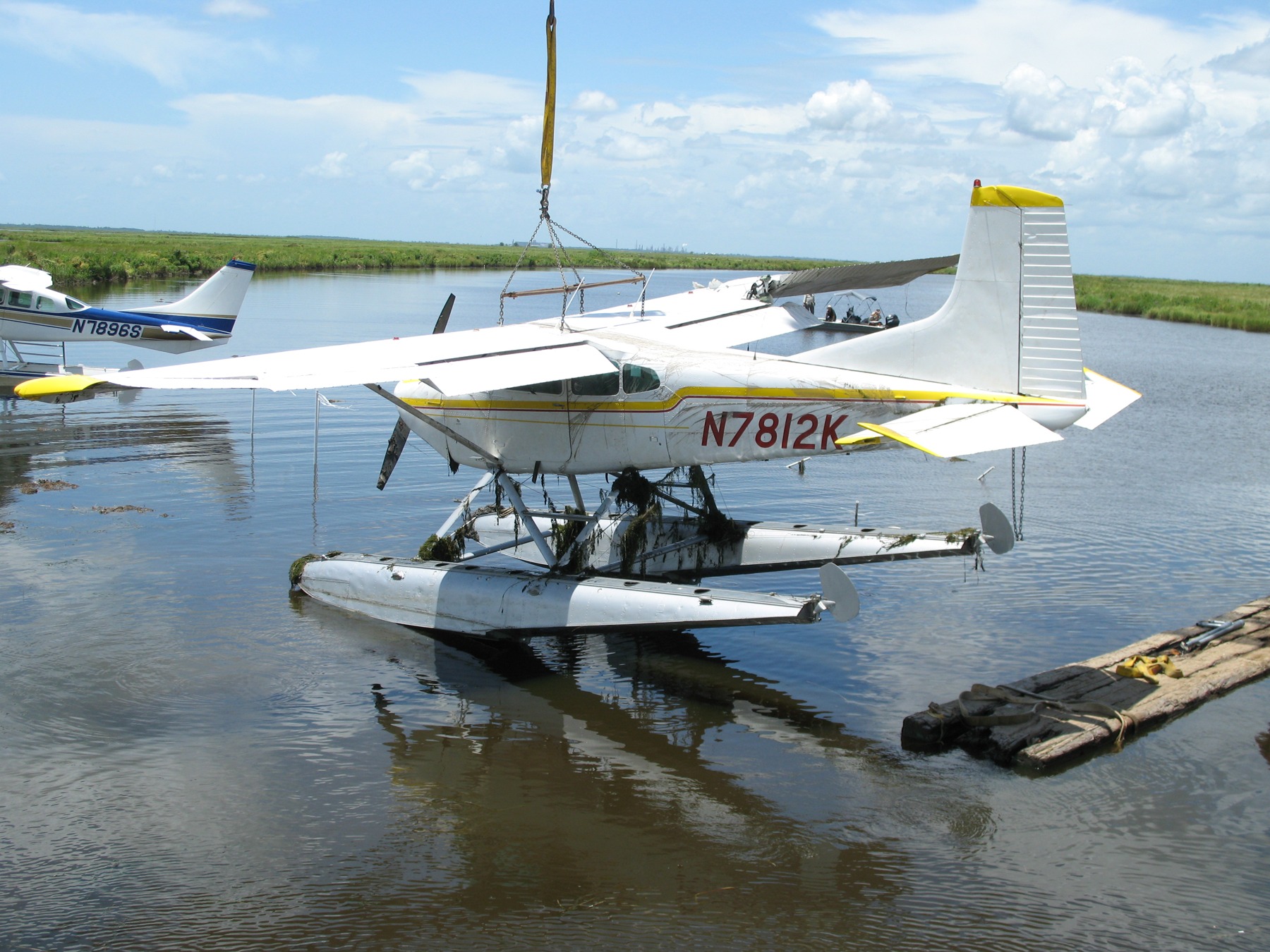
On the morning of July 24, 2010, a Cessna 180J on floats, N7812K, lifted off from Southern Seaplane Airport (65LA) in Belle Chasse, Louisiana at approximately 1020 central daylight time. The airplane was operated by Southern Aviation, LLC, as a Part 91 instructional flight. In the left seat was a 39-year-old pilot working toward an add-on seaplane rating. In the right seat was a 56-year-old certified flight instructor with more than 18,600 total hours and over 2,700 hours of pilot-in-command time in the same make and model. By 1035, the Cessna was inverted and partially submerged in a 150-foot-wide bayou channel northeast of Davant, Louisiana. The pilot receiving instruction was fatally injured. The CFI was not injured.
The pilot in the left seat was not a low-time student by any conventional measure. He held an ATP certificate with helicopter ratings, commercial privileges for single and multiengine land, instrument ratings, a CFI certificate, and an A&P mechanic certificate. He had accumulated 3,800 total flight hours, more than 3,400 of them in helicopters. What he did not have was meaningful time in seaplanes. His total seaplane experience before climbing into N7812K that morning was 2.9 hours in a Super Cub on floats and 15 minutes of instruction in the accident airplane earlier that same day. He was highly experienced in aviation broadly, and nearly a beginner in this specific discipline.
Radar data from New Orleans Approach Control showed the airplane departed 65LA, flew southbound between 1,000 and 1,600 feet msl, and began a descent and left turn around 1033. The last radar return came at 1034, with the airplane at 300 feet msl, west of the accident site. The CFI had selected a straight-in approach to a bayou he estimated at about 150 feet wide. He positioned his hands in front of the control yoke, a technique he described as common practice to prevent the nose from going forward on touchdown. Neither occupant was wearing their shoulder harnesses. The CFI later said the harnesses restricted their full range of motion.
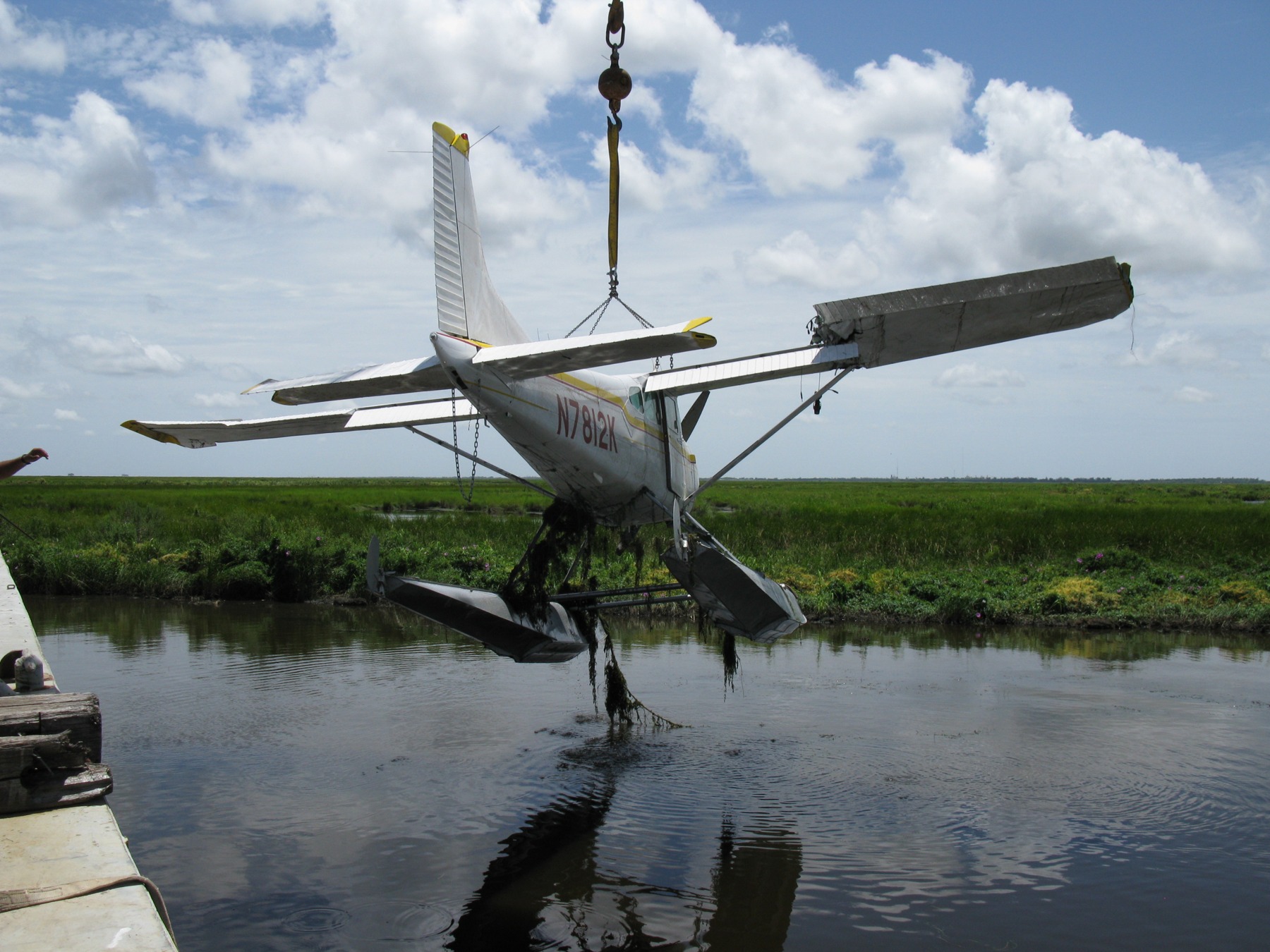
The approach looked normal. The floats contacted the water slightly nose-forward, in a flat attitude. Then the airplane decelerated rapidly. The FAA’s Seaplane, Skiplane, and Float/Ski Equipped Helicopter Operations Handbook spells out exactly what needs to happen at that moment: use gentle back pressure on the elevator control to compensate for any tendency of the nose to drop, then close the throttle and hold the touchdown attitude until the airplane settles into the plowing attitude, then apply full up elevator to keep the nose as high as possible. Neither the student nor the CFI did any of that. The CFI said he could not recall whether the yoke hit his hands. What he does recall is that by the time he applied aft pressure on the yoke, the airplane had already begun to flip. It went over slowly, came to rest inverted, and sank partially into the bayou. The throttle was found set at three-quarters of an inch out. The water rudders were up. Flaps were at 20 degrees. The engine was still producing power when the nose went under.
The CFI got out through the right cabin door. The pilot in the left seat did not get out. Post-accident examination of the left seatbelt revealed that when latched under tension, it would not unlatch. The NTSB Materials Laboratory confirmed that excessive force applied after the buckle was latched had prevented the locking mechanism from rotating. A fisherman who responded to the scene and pulled the pilot from the cockpit reported that the seatbelt was already unfastened by then. The pilot had been submerged for an estimated 5 to 10 minutes. The Jefferson Parish forensic pathologist listed the cause of death as asphyxia due to drowning associated with a small airplane crash. Post-mortem toxicology found no alcohol, no carbon monoxide, no cyanide. Chlorpheniramine, an antihistamine, was detected in the blood and urine.
Investigation Findings
Post-accident examination of N7812K found no pre-impact mechanical failures or malfunctions that would have precluded normal operation. The engine, propeller, and all flight control surfaces were intact and functional. Propeller blades showed no damage consistent with high power impact. The carburetor filter was clear. Spark plug electrodes were normal. Fuel was present in both wing tanks and the selector was on both. What the examination did confirm was the control state at the moment of impact: throttle partially open, flaps at 20 degrees, water rudders retracted, and the seatbelt locking mechanism deformed by tension load after latching.
The shoulder harness issue is worth pausing on. Both front seats were equipped with after-market lap belts and fixed-type shoulder harnesses rated at 3,000 pounds and 2,500 pounds respectively, manufactured in April 2009. Neither the CFI nor the student was wearing them. The CFI’s stated reason was that the harnesses restricted movement. In a water landing that goes inverted, the shoulder harness is what keeps a pilot oriented in the seat and capable of exiting. The lap belt alone, particularly one that deforms under tension load, provides almost no survivability benefit in an inverted immersion scenario.
The pilot’s logbook showed 17.7 hours flown in the previous 7 days and 62.9 hours in the previous 30 days. His flight and duty time limits as recorded by his employer were not exceeded, but the pace was demanding. His most recent flight review had been completed January 13, 2010, six months before the accident. His seaplane experience, 2.9 hours in a Super Cub and 15 minutes in the accident airplane, was insufficient preparation for the specific control discipline required during a float-plane water landing, particularly the counterintuitive requirement to hold back pressure and reduce throttle simultaneously during the deceleration phase.
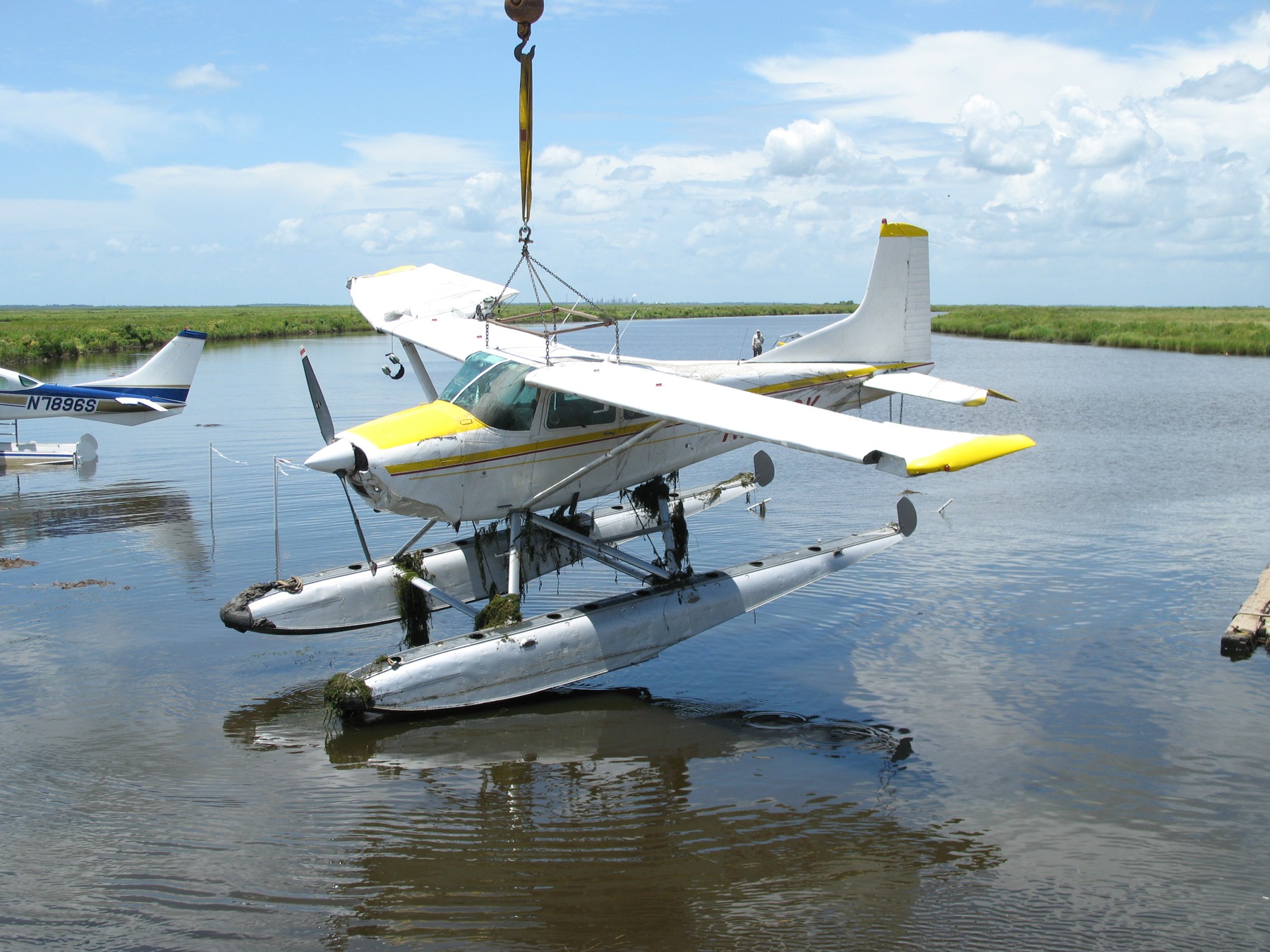
The CFI’s experience in the type was genuine and substantial, more than 1,000 hours of CFI time in the same make and model. But his hands-in-front-of-the-yoke technique, while intended to protect against a nose-over, did not substitute for active dual control input at the critical moment. His own account places his corrective action after the airplane had already begun to flip. That sequence, the student not applying back pressure, the throttle remaining partially open, and the CFI’s remedial input arriving too late, is what the NTSB identified as the operational chain leading to the accident.
NTSB Probable Cause
The pilot’s improper application of the flight controls and throttle during landing, which resulted in a nose over and subsequent inverted immersion in the water. Contributing to the accident was the flight instructor’s delayed remedial action and inadequate supervision of the pilot receiving instruction.
Safety Lessons
Three things in this accident are worth carrying into every seaplane lesson and every water landing briefing.
- Seaplane landings require active control inputs through the entire deceleration phase. A float-plane touchdown is not the end of the control task. It is the beginning of the most critical 10 to 15 seconds of the approach. The handbook sequence is specific: elevator back pressure the moment the floats touch, throttle to idle to remove propeller thrust that would drive the nose forward, then full up elevator as the airplane settles into the plow. Neither occupant executed any part of that sequence. A student with 15 minutes in type, regardless of their broader experience level, is not prepared to execute that sequence reliably under the pressure of rapid deceleration. The CFI’s role is to either demonstrate it or take positive control the instant it is not happening correctly.
- The shoulder harness is not optional in any airplane, and especially not in a seaplane. The stated reason for not wearing the harnesses was range of motion. That is a training problem, not a valid trade-off. In an inverted immersion, an unrestrained occupant is thrown forward, potentially into the instrument panel or the windshield, and then must reorient themselves in an inverted, flooding cabin before they can exit. The student’s seatbelt deformed under load and may have been difficult or impossible to release while he was disoriented underwater. A shoulder harness keeps the pilot in the seat, oriented relative to the door, and capable of executing a controlled egress. Brief every seaplane student on inverted egress before the first water landing, and require both harness and belt on every flight.
- Prior aviation experience does not transfer directly to seaplane technique. The student was a highly qualified ATP and helicopter CFI with 3,800 hours. That experience is real and valuable, but it did not prepare him for the specific muscle-memory requirement of a float-plane water landing. The NTSB handbook language exists because the control inputs feel wrong to a land-airplane pilot: you want to push the nose down, not hold it up, and you want to close the throttle when the airplane is decelerating, not leave power in. Those instincts have to be built through repetition, not assumed from adjacent experience. Flight instructors teaching seaplane add-ons to experienced pilots need to plan more dual time in the landing phase, not less, precisely because the student’s confidence in their own coordination can mask the gap in type-specific technique.
Frequently Asked Questions
Q: What causes a seaplane to nose over during a water landing?
A: A nose-over on a float-equipped airplane typically happens when the floats decelerate faster than the airframe and the nose pitches forward into the water. This can happen when the touchdown attitude is flat or nose-low, when power is left in after touchdown, or when the pilot fails to hold back elevator pressure during the deceleration phase. All three factors were present in this accident. The water creates asymmetric drag on the floats relative to the fuselage, and without active up-elevator and a closed throttle, that drag wins quickly.
Q: What is the correct procedure for a Cessna 180 float-plane water landing?
A: According to the FAA Seaplane, Skiplane, and Float/Ski Equipped Helicopter Operations Handbook, the pilot should raise the nose to the appropriate pitch attitude during the flare, apply gentle back pressure on the elevator control as the floats contact the water to compensate for any tendency of the nose to drop, then close the throttle and maintain the touchdown attitude until the airplane settles into the plowing attitude. Once in the plow, apply full up elevator to keep the nose high and minimize spray hitting the propeller. Leaving power in after touchdown is specifically what drives the nose forward.
Q: How do you survive an inverted immersion in a small airplane?
A: The standard inverted egress training sequence is: shoulder harness and seatbelt on before water contact, locate the door handle before the airplane stops moving, wait for the cabin to fill with water so pressure equalizes before attempting to open the door, then open the door and exit. The shoulder harness is critical because it keeps you oriented in the seat while the airplane inverts. Without it, you can be thrown forward, disoriented, and unable to find the door. Many seaplane operators and check airmen recommend Underwater Egress Training (helicopter dunker courses) for anyone flying over water regularly.
Q: Does experience as a helicopter pilot or ATP prepare you for seaplane flying?
A: Broad aviation experience helps with aeronautical decision-making and situational awareness, but it does not substitute for type-specific training in seaplane water operations. The control inputs during a float-plane water landing feel counterintuitive to pilots trained on land aircraft: holding back elevator pressure while simultaneously closing the throttle during deceleration is not an instinctive response. The FAA add-on seaplane rating requires as few as 7 hours of training with a qualified instructor, which may not be sufficient to build reliable muscle memory in the landing phase for every student. Instructors should calibrate the number of dual landings to the student’s demonstrated proficiency, not to the minimum required hours.
Q: Can a jammed or deformed seatbelt prevent egress from a submerged aircraft?
A: Yes. The NTSB Materials Laboratory examination in this accident found that the left seatbelt buckle, when latched and placed under tension, would not release. The deformation of the locking mechanism under load prevented rotation. This is a known failure mode in lap belts subjected to crash loads while latched. It is one of the reasons inverted egress training emphasizes locating and operating the buckle before the cabin floods, while you are still oriented and before tension loads from body weight against the harness make release difficult. Carrying a seatbelt cutter or dive knife accessible to both hands is a practice some water pilots adopt for exactly this scenario.
Sources and References