What Happened
On May 15, 2009, a Beech A36, N191MK, departed Destin-Fort Walton Beach Airport in Destin, Florida at 1041 central daylight time, bound for Newnan Coweta County Airport in Newnan, Georgia. The pilot, a 56-year-old private pilot with instrument privileges and 1,618 total hours, had three passengers aboard. He had logged roughly 600 hours in A36s and about 40 hours in this particular airplane since it had been modified with a Tornado Alley Turbo “Whirlwind System II” turbo normalizing system. The weather was not a factor. Visual meteorological conditions prevailed the entire route.
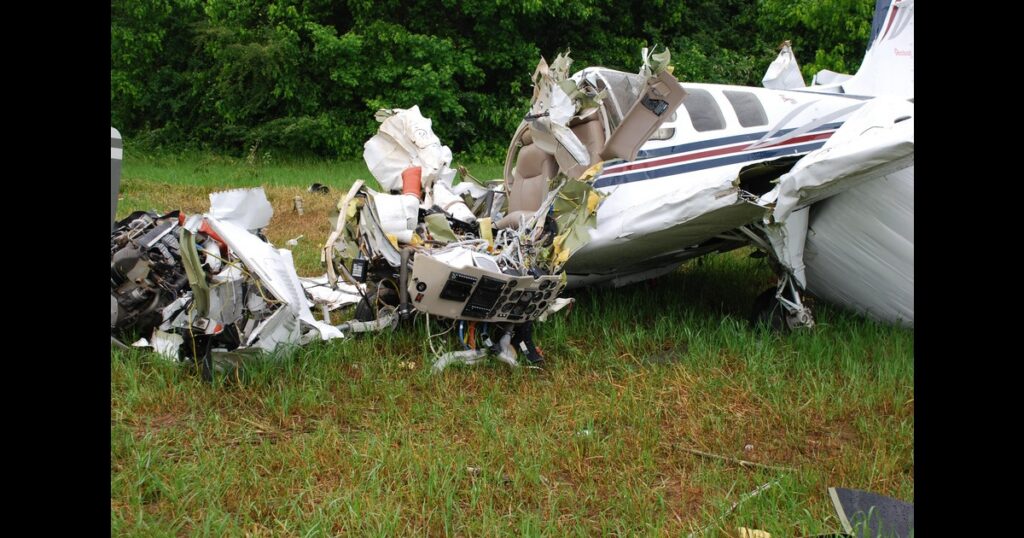
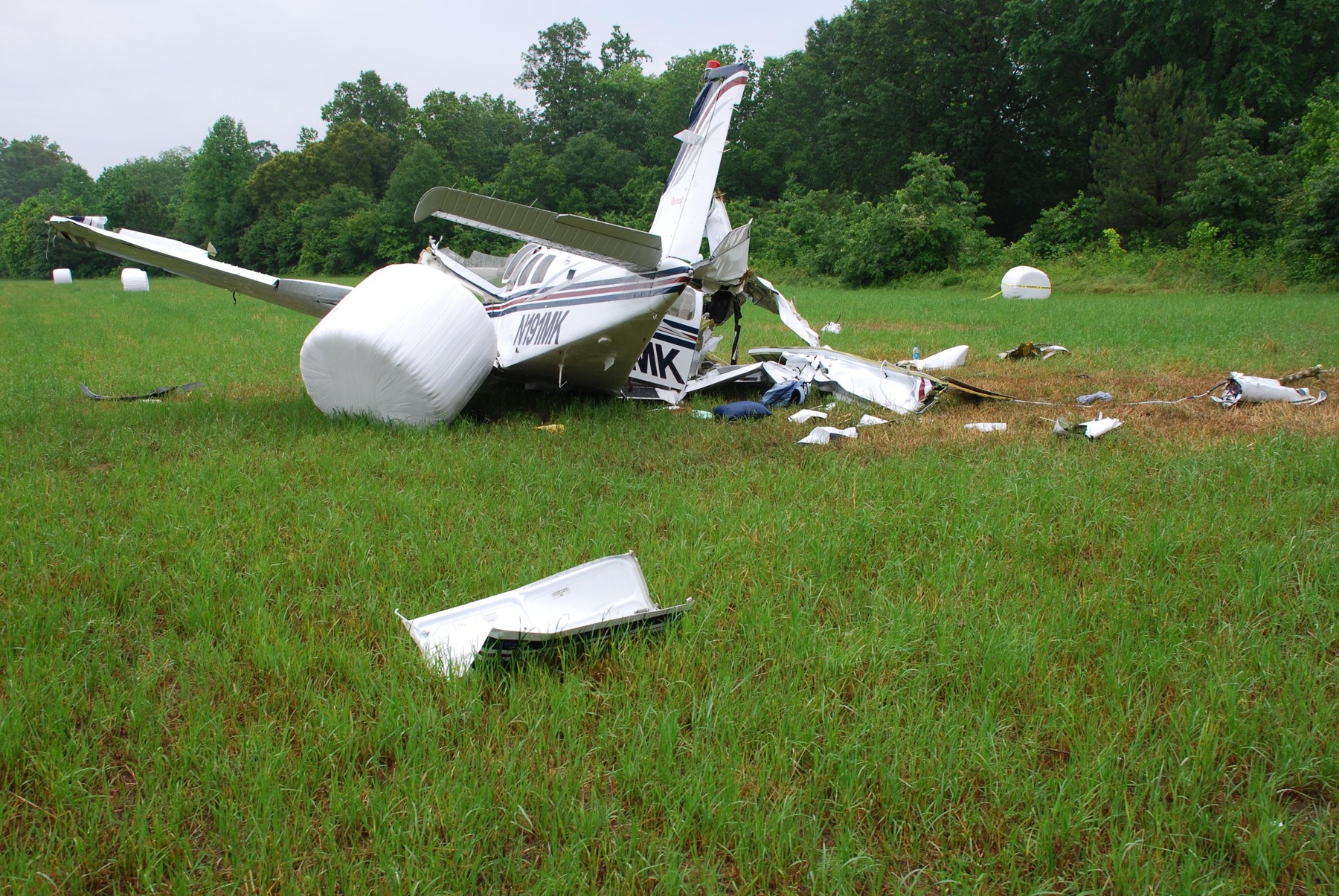
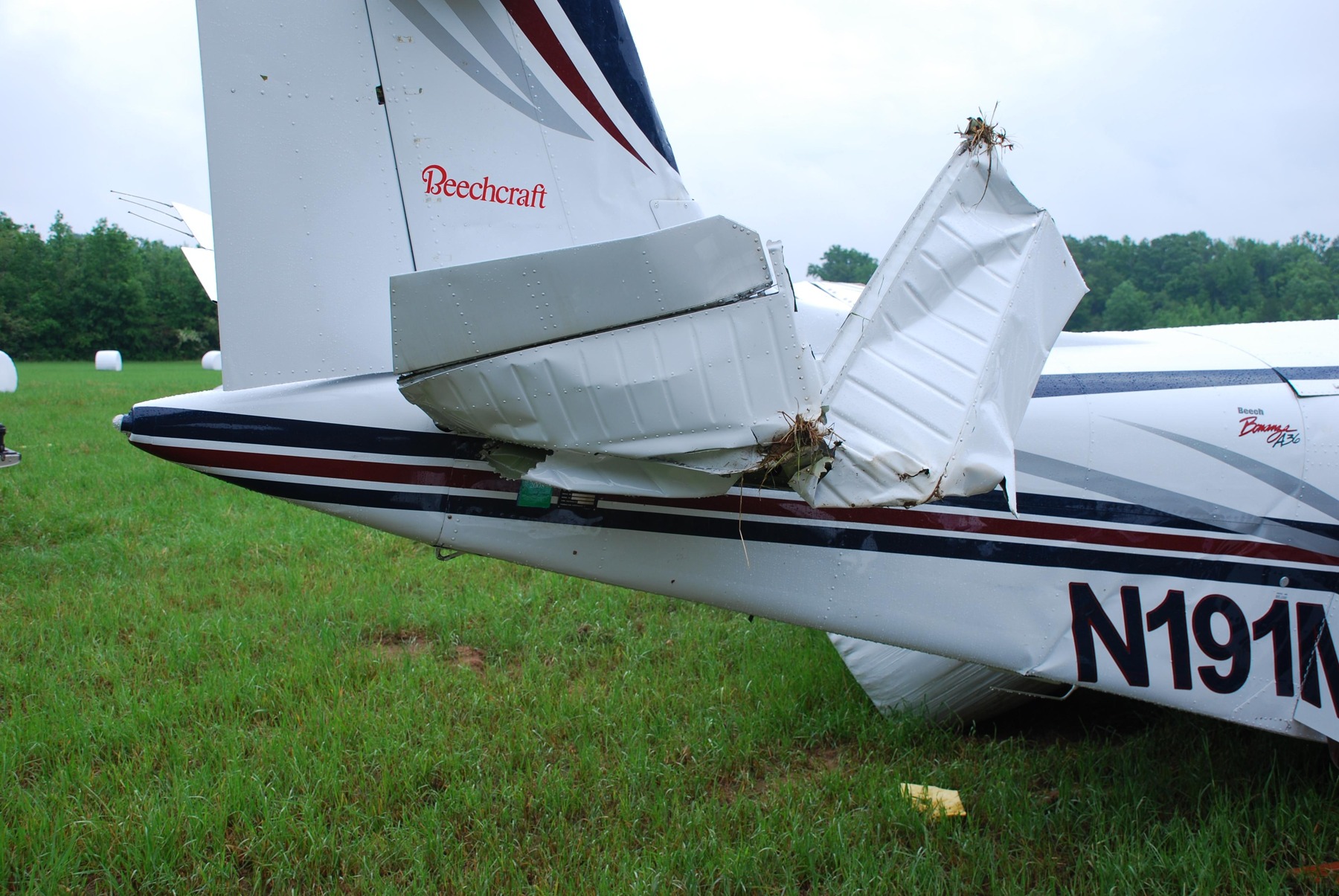
Somewhere over Alabama, cruising at 7,000 feet, the engine lost power. The pilot managed a restart. The engine ran for about 30 seconds, then quit again. He told the two passengers in the aft seats to move forward into the aft-facing club seats and buckle in tightly. Then he got on with air traffic control and told them he was going to put it down in a field. The airplane crossed into a hay field near Beauregard, Alabama, clipped trees roughly 150 feet before the intended landing area, and came to rest on top of a large round hay bale. The pilot and the front-seat passenger were killed. The two passengers who had moved to the aft-facing seats survived with minor injuries. They egressed through the open cockpit area and called 911 from their cell phones. The main wreckage came to rest approximately 4.3 miles from Auburn-Opelika Robert G. Pitts Airport.
The question investigators had to answer was straightforward: why did the engine stop? The answer turned out to live entirely in the fuel planning that happened before the flight ever departed.
The airplane was equipped with a main fuel system holding 37 gallons per side, 74 gallons usable total, plus a pair of “Osborne” tip tanks holding 10 gallons each. Before the outbound leg from Newnan to Destin earlier that day, the pilot’s daughter had drained 25.4 gallons from the main tanks. The investigators later found two cans in the hangar, measuring out to roughly 15 gallons pulled from the left tank and 10 from the right. The weight-and-balance math explained why: fully fueled, with four occupants and baggage, the airplane would have been 3,707 pounds on the outbound leg and 3,927 pounds on the return, both well above the 3,650-pound maximum gross weight. So the fuel drain made sense from a weight perspective. What it did was leave the return flight to Georgia with a razor-thin fuel margin and no room for error in fuel management.
At the time the flight departed Destin for the return leg, the main tanks held approximately 48.6 gallons. The tip tanks each held 10 gallons, for a total of 68.6 gallons on board. The turbo normalizing system installed on this engine complicated the fuel flow picture significantly. A normally aspirated IO-550-B at full RPM flows no more than 26.6 gallons per hour according to Teledyne Continental Motors service data. But the Tornado Alley Turbo POH supplement noted that the mixture control had to be manually adjusted any time fuel flow exceeded 35 gallons per hour. The supplement only provided performance data for lean-of-peak operation. It did not give the pilot fuel consumption data for rich-of-peak operation at all. According to the performance calculations investigators ran against the engine’s non-volatile memory data, by the time the engine lost power, it had burned at least 48.6 gallons. The main tanks were empty. The fuel selector was set to the right main tank. The right main showed no fuel. The left main had roughly one quart remaining. The right tip tank, though breached in the crash, still contained about 4.5 gallons. The left tip tank had about half a gallon. The tip tanks were never drawn down.
Investigation Findings
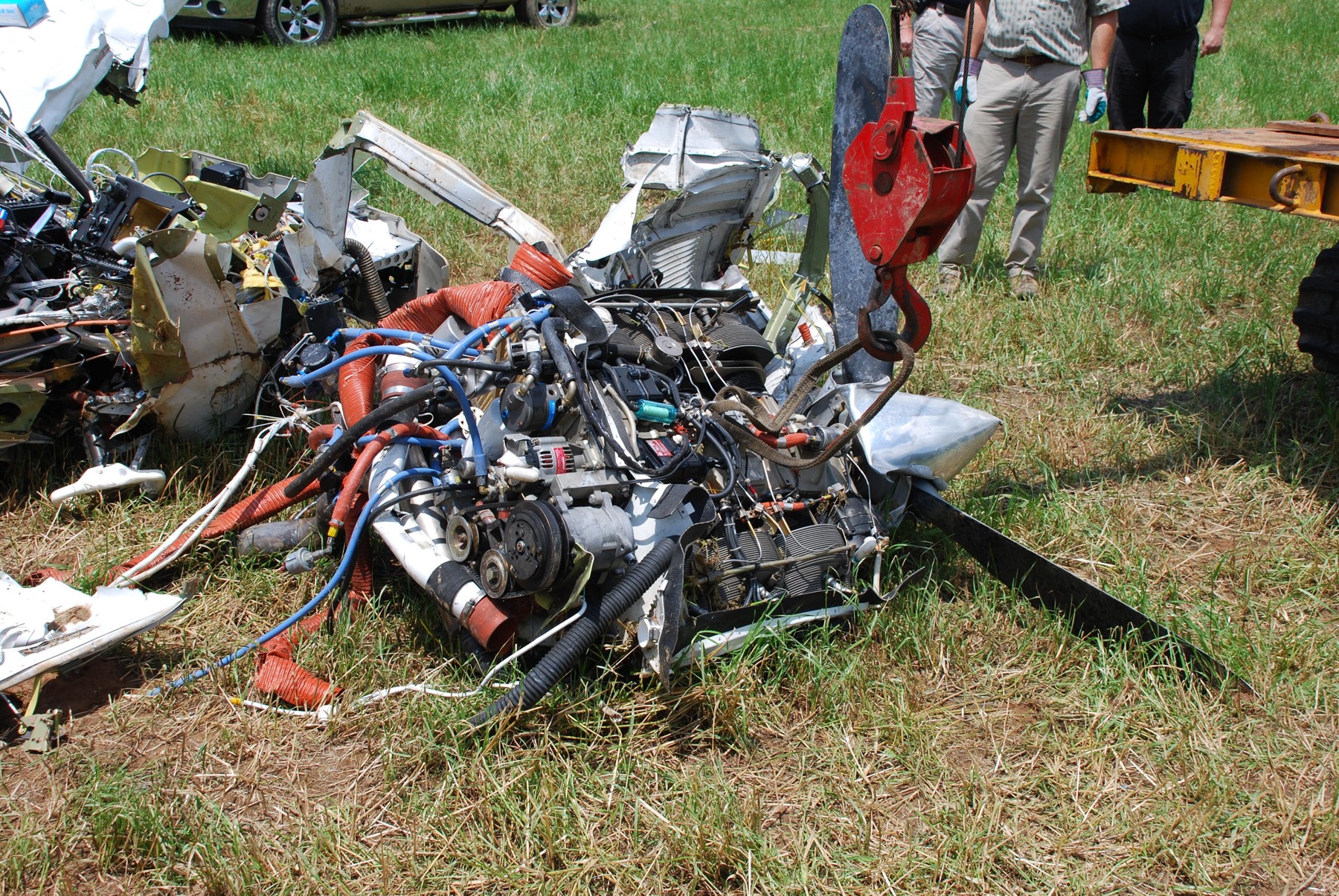
The post-accident engine examination was thorough. On May 17, 2009, the engine was transferred to Teledyne Continental Motors in Mobile, Alabama. Damaged components were repaired or replaced to allow a test run. On May 18, two days after the accident, the engine started on the first attempt, without hesitation. It accelerated normally through warm-up and demonstrated the ability to produce rated horsepower. When investigators intentionally cut off the fuel supply by closing the test cell fuel valve and by disconnecting the fuel pump hose, the engine stopped. In both cases, fuel was still present in the fuel control inlet and outlet lines when the engine quit. That result is important: it matched exactly what you would expect from a normally functioning engine that runs out of fuel. The engine did not fail. The fuel supply did.
The fuel selector valve was removed and bench-tested. No anomalies. Both tip tank transfer pumps were tested on 28 volts of external power. Both functioned normally. Control continuity was established throughout the airframe. The oil drained during recovery contained no metal particles or foreign debris. There was no evidence of fuel leakage in the field, no browning of grass around the wreckage. The toxicology results on the pilot were negative for ethanol and other drugs. The airplane’s JPI engine monitor did not record fuel flow, so there was no onboard record of what the engine had actually been burning per hour during the flight.
The picture that emerged was consistent across every data point. The engine was healthy. The airplane’s systems worked. The tip tanks held fuel that was never used. The main tanks ran dry before the airplane reached Georgia, with 20 gallons of usable fuel still aboard in the tip tanks, inaccessible because the pilot had the selector on the right main and never switched it over.
NTSB Probable Cause
The pilot’s improper fuel management, which resulted in a total loss of engine power due to fuel starvation.
Safety Lessons
This accident is straightforward in its mechanics and genuinely difficult in its implications. The fuel was on board. The engine could use it. The airplane hit the trees anyway. Three elements of the decision chain are worth carrying forward.
- Know what your modified engine actually burns. The turbo normalizing system on this A36 changed the fuel consumption picture in ways the standard POH did not capture. The Tornado Alley Turbo supplement only provided lean-of-peak data, with no rich-of-peak consumption tables. If you are operating an engine modified under an STC, you need to know exactly how that modification changes your fuel burn, and you need to verify it empirically before you commit to a fuel plan. A 26.6 GPH engine and a 35-plus GPH engine on the same airframe leave very different margins over the same route.
- Fuel quantity drained on the ground is not a planning shortcut. Draining fuel to make weight is an accepted practice when it is done correctly and accounted for precisely. But the act of draining fuel compresses every margin that follows. The outbound and return legs on this trip were both near or above gross weight before the drain, which means there was no buffer anywhere in the system. When the fuel plan on the return leg did not leave enough in the main tanks to reach Newnan, there was nothing left to absorb the error.
- Auxiliary tanks require an active selection plan, not an assumption. This airplane had 20 gallons in the tip tanks at the time the engine quit. The fuel selector was on the right main. The tip tank transfer pumps tested functional after the accident. The fuel was there. Using auxiliary or tip tanks is not automatic on most airplanes, and switching to them under the stress of a power loss is not the moment to work out the procedure. Pre-flight fuel planning should include explicit selector positions and transfer schedules, not just a total gallons figure.
Frequently Asked Questions
Q: What caused the Beech A36 N191MK engine failure near Beauregard, Alabama in 2009?
A: The engine lost power due to fuel starvation. The pilot had the fuel selector set to the right main tank, which ran dry during the return flight. Approximately 20 gallons of usable fuel remained in the tip tanks but was never accessed. Post-accident engine testing confirmed no mechanical failure — the engine started normally and produced rated horsepower when fuel was supplied.
Q: Why was fuel drained from the Beech A36 before the accident flight?
A: The airplane was at or above its 3,650-pound maximum gross weight with full main tanks and four occupants. The pilot’s daughter drained 25.4 gallons from the main tanks before the outbound leg to bring the airplane within weight and CG limits. This left only 48.6 gallons in the main tanks for the return trip, with no margin if fuel burn was higher than anticipated.
Q: How did the turbo normalizing system affect fuel consumption on this A36?
A: The Tornado Alley Turbo “Whirlwind System II” installation changed the fuel flow characteristics of the IO-550-B engine. A normally aspirated IO-550-B flows no more than 26.6 gallons per hour at full RPM per TCM service data, but the turbo supplement noted fuel flows could exceed 35 GPH and require manual mixture adjustment. The supplement only provided lean-of-peak fuel consumption data, with no rich-of-peak tables for pre-flight planning. The airplane’s JPI engine monitor did not record fuel flow, so there was no onboard record of actual consumption during the flight.
Q: Did the pilot attempt to restart the engine after the first power loss?
A: Yes. According to the surviving passengers, the pilot restarted the engine successfully after the initial power loss. The engine ran for approximately 30 seconds before quitting again. He then moved the aft passengers to forward-facing seats, coordinated with ATC, and executed a forced landing to a hay field near Beauregard, Alabama.
Q: How much fuel remained in the airplane when it crashed?
A: The right main tank was breached and showed no fuel. The left main tank bladder remained intact and held approximately one quart. The right tip tank was breached but contained about 4.5 gallons. The left tip tank was also breached and held approximately half a gallon. Total recoverable fuel at the crash site was roughly 5 gallons, all of it in the tip tanks — which were never selected during the flight.
Sources and References