What Happened
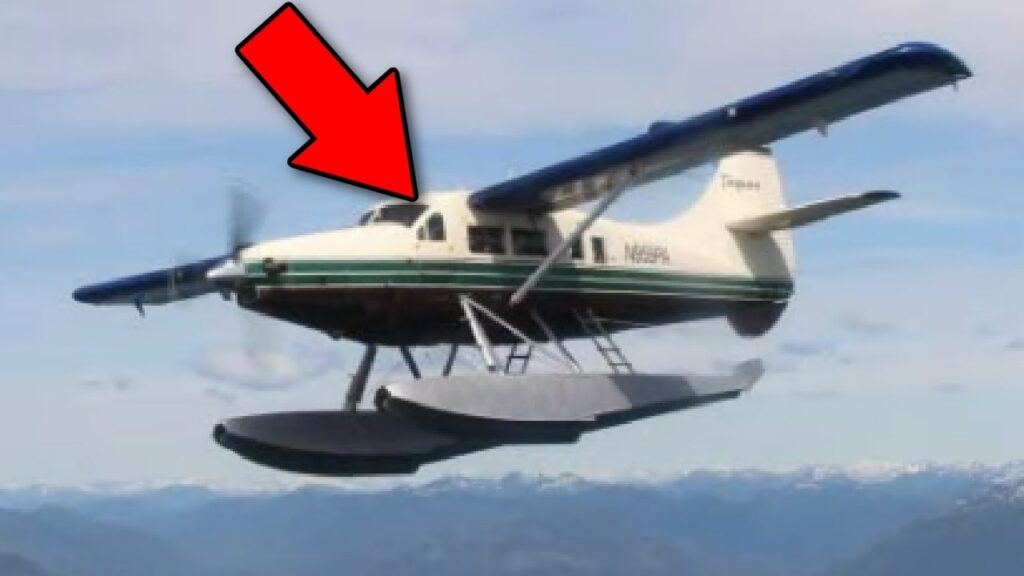
On May 13, 2019, about 12:21 p.m. Alaska daylight time, two float-equipped sightseeing airplanes collided about 8 miles northeast of Ketchikan, Alaska. The de Havilland DHC-2 Beaver, N952DB, was destroyed, killing its pilot and four passengers. The de Havilland DHC-3 Otter, N959PA, sustained substantial damage. Its pilot received minor injuries, nine passengers received serious injuries, and one passenger died.
Both airplanes had been conducting on-demand sightseeing flights under Part 135. Mountain Air Service operated the Beaver. Venture Travel, doing business as Taquan Air, operated the Otter. The area had a high concentration of air tour traffic, so the flights shared airspace with the kind of traffic their missions routinely brought together.
Visual meteorological conditions prevailed. Weather that permitted pilots to operate visually did not ensure that either pilot would acquire the other airplane in time. Neither pilot saw the conflicting aircraft before the collision, according to the NTSB’s probable-cause determination.
Both airplanes had traffic display systems. But those systems did not provide the visual and aural alerts that could have drawn the pilots’ attention to the developing conflict. The difference between having traffic information available and receiving a warning became central to the investigation.
The collision killed six people across the two airplanes. The investigation did not reduce that outcome to a claim that the pilots simply should have looked harder. It examined the limitations of visual detection and the missing warning capability in the equipment intended to supplement it.
Investigation Findings
The NTSB identified the inherent limitations of see-and-avoid as part of the probable cause. That finding mattered because visual conditions and a visual lookout were not enough to prevent this accident. It also placed the missing visual and aural traffic alerts in the causal chain.
A traffic symbol required attention to be directed toward the display. An alert could direct attention to the conflict. The NTSB’s finding concerned the absence of that warning function in both airplanes, alongside the limitations of seeing an aircraft through the windscreen. The report therefore supported treating alerting capability as a distinct safety function when evaluating traffic equipment.
The investigation also reached beyond the two cockpits. Under the FAA’s Capstone Program, operators had received new transceivers that lacked alerting capability previously available to them. The NTSB found that the FAA had not adequately mitigated the additional risk associated with that loss. New equipment did not necessarily preserve every safety function of the equipment it replaced.
The other contributing factor was the absence of a requirement for airborne traffic advisory systems with aural alerting for operators carrying passengers for hire. That was a finding about the regulatory environment at the time of the accident, not a claim about the current requirements for any particular operation.
NTSB Probable Cause
The inherent limitations of the see-and-avoid concept, which prevented the two pilots from seeing the other airplane before the collision, and the absence of visual and aural alerts from both airplanes’ traffic display systems, while operating in a geographic area with a high concentration of air tour activity. Contributing to the accident were (1) the Federal Aviation Administration’s provision of new transceivers that lacked alerting capability to Capstone Program operators without adequately mitigating the increased risk associated with the consequent loss of the previously available alerting capability and (2) the absence of a requirement for airborne traffic advisory systems with aural alerting among operators who carry passengers for hire.
Safety Lessons
The following takeaways apply the investigation findings to flight planning and cockpit decisions.
- Know what the installed traffic system actually does. Include alert functions in the equipment briefing. A display of nearby traffic, a visual warning, and an aural warning are different capabilities. The Ketchikan findings show why the presence of a screen alone cannot answer whether a system will warn the pilot.
- Review safety functions after equipment changes. For an operator, a replacement transceiver warrants a comparison of retained and lost functions. The NTSB specifically identified the loss of earlier alerting capability and the failure to mitigate that change.
- Plan for concentrated traffic. Air tour routes put multiple aircraft into shared areas. Treat visual lookout and traffic equipment as complementary defenses, and use the procedures appropriate to the operation and installed equipment.
Watch the Full Analysis
Frequently Asked Questions
Q: What caused the 2019 Ketchikan midair collision?
A: The NTSB cited limitations of see-and-avoid and the absence of visual and aural alerts from both aircraft traffic displays. It also identified FAA equipment-program decisions and the lack of an alerting-system requirement as contributing factors.
Q: Which airplanes collided near Ketchikan?
A: A Mountain Air Service de Havilland DHC-2 Beaver, N952DB, and a Taquan Air de Havilland DHC-3 Otter, N959PA, collided on May 13, 2019.
Q: Did poor weather cause the Ketchikan collision?
A: Visual meteorological conditions prevailed. The probable cause concerned visual acquisition and missing traffic alerts, not an inability to operate visually because of the weather.
Sources and References