What Happened
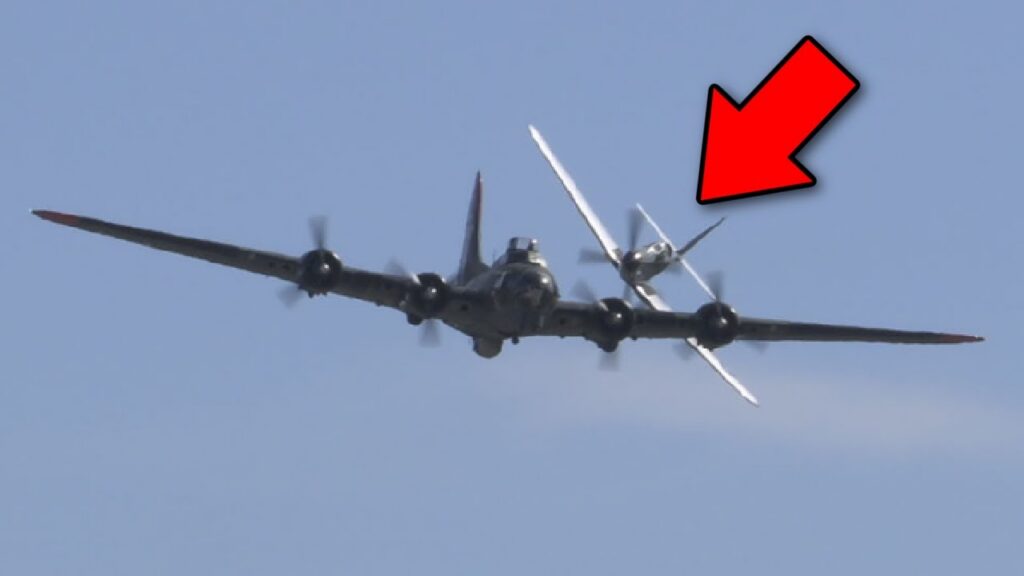
On November 12, 2022, a Boeing B-17G, N7227C, and a Bell P-63F, N6763, collided during the Wings Over Dallas air show at Dallas Executive Airport in Texas. The five people aboard the B-17G and the P-63F pilot were killed. Both airplanes were destroyed. No injuries to people on the ground were reported.
The B-17G departed at about 1:10 p.m. central standard time. The P-63F followed about five minutes later. By about 1:22 p.m., both airplanes were participating in a performance that also involved six other historic former military airplanes. The Commemorative Air Force operated the airplanes under Part 91 and an air show certificate of waiver.
The airplanes were sharing performance airspace under direction from the air boss. The plan depended on instructions issued as the performance unfolded, together with the pilots seeing other aircraft and avoiding them. That arrangement put separation decisions into an environment where the pilots were already managing their position, flightpath, aircraft, and performance cues.
The two flightpaths came together. The collision killed the B-17G pilot, copilot, flight engineer, and two scanners, as well as the P-63F pilot. The investigation then had to work backward from that point: how had two airplanes been allowed to occupy the same space, and what opportunity had their crews actually had to detect the conflict?
Investigation Findings
The NTSB found that the air boss and event organizer had not established an adequate, prebriefed aircraft separation plan. Instead, they relied on real-time deconfliction instructions and see-and-avoid. Those methods did not prevent separation from breaking down between the bomber and fighter.
A prebriefed separation plan would have addressed the paths before the airplanes reached them. Real-time instructions required the developing conflict to be recognized, understood, and corrected while the performance continued. The Board identified the reliance on that arrangement as causal. It did not reduce the accident to a single pilot failing to look outside.
The NTSB also found that the accident pilots’ ability to see and avoid one another was diminished. Flightpath geometry affected where each airplane appeared from the other cockpit. Aircraft structure obscured portions of the view. The demands of the performance competed for attention. Human visual performance added another limitation on detecting another airplane in time.
Those factors worked together. Looking outside was necessary, but the available view was not complete, and the pilots’ attention could not remain fixed on every potential conflict at once. The investigation specifically included these limitations in its probable cause rather than treating visual detection as a guaranteed final barrier.
The Board also identified gaps beyond the performance itself. FAA guidance did not adequately address separation planning and risk assessment for airplanes outside an approved maneuvers package. Requirements and guidance for recurrent evaluations of air bosses and direct surveillance of their performance were also lacking. The findings therefore extended from the airborne encounter to the system used to organize and oversee it.
The available source summary does not establish a second-by-second reconstruction of every maneuver or radio instruction. It supports the central conclusion about separation planning and visibility, without requiring an invented sequence of turns or unsupported claims about what a particular pilot saw.
NTSB Probable Cause
the air boss’s and air show event organizer’s lack of an adequate, prebriefed aircraft separation plan for the air show performance, relying instead on the air boss’s real-time deconfliction directives and the see-and-avoid strategy for collision avoidance, which allowed for the loss of separation between the Boeing B-17G and the Bell P-63F airplanes. Also causal was the diminished ability of the accident pilots to see and avoid the other aircraft due to flight path geometry, out-the-window view obscuration by aircraft structures, attention demands associated with the air show performance, and the inherent limitations of human performance that can make it difficult to see another aircraft. Contributing to the accident were the lack of FAA guidance for air bosses and air show event organizers on developing plans and performing risk assessments that ensure the separation of aircraft that are not part of an approved maneuvers package and the lack of FAA requirements and guidance for recurrent evaluations of air bosses and direct surveillance of their performance.
Safety Lessons
For air show participants and organizers, the planning lesson is to establish how aircraft remain separated before the performance begins. Briefed flightpaths, responsibilities, and a way to stop or change the sequence need to be understood by the people who will use them. That is a planning principle drawn from this accident, not a substitute for an approved performance package.
For pilots, a visual scan cannot remove a blind area created by the airplane or flight geometry. When a flight depends on another aircraft being visible, the plan must account for the possibility that it will disappear behind structure or become difficult to distinguish. A known separation method provides a margin that a last-second sighting may not.
For organizations, evaluating a performance means examining the coordinator’s workload and decisions as well as the aircraft maneuvers. The air boss was part of the collision-avoidance system. Training, recurrent evaluation, and oversight of that role were therefore relevant safety barriers, not administrative details.
Watch the Full Analysis
Frequently Asked Questions
Q: What caused the Dallas air show crash?
A: The NTSB identified inadequate prebriefed separation planning, reliance on real-time directives and see-and-avoid, and limitations on the accident pilots’ ability to see one another. It also identified FAA guidance and oversight gaps.
Q: Which airplanes collided at Wings Over Dallas?
A: The collision involved Boeing B-17G N7227C and Bell P-63F N6763 on November 12, 2022, at Dallas Executive Airport.
Q: How many people died in the Dallas air show collision?
A: Five people aboard the B-17G and the P-63F pilot were killed. No injuries to people on the ground were reported.
Sources and References