What Happened
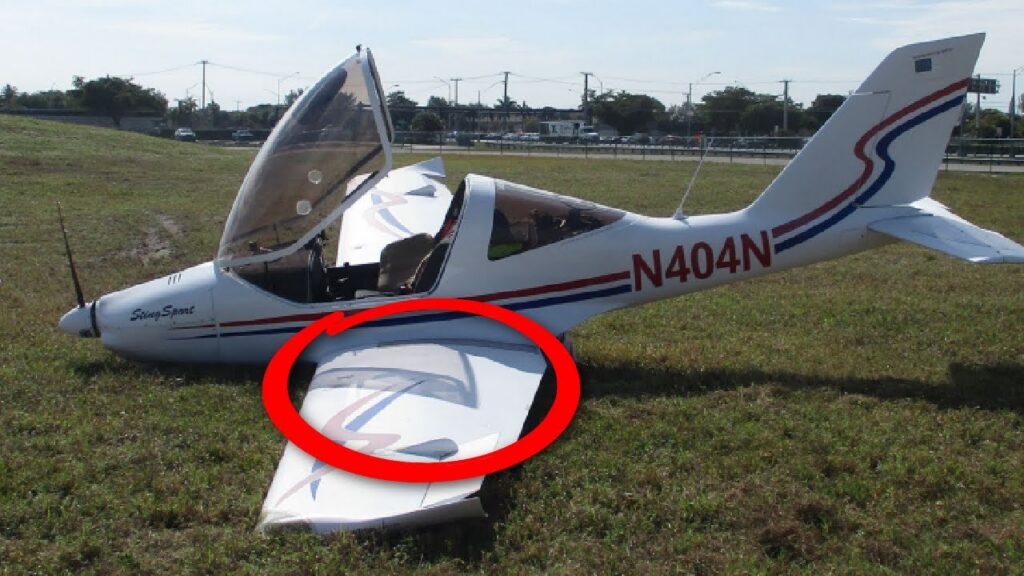
On January 15, 2021, the pilot of TL Ultralight StingSport N404N departed runway 28R near Hollywood, Florida. The airplane climbed more slowly than expected, then its engine began shuddering. A return to the airport ended in a bounced landing and an attempted takeoff before the airplane struck a field. The pilot was uninjured.
The preflight inspection and engine run-up had not revealed a problem. During the climb, however, the pilot saw only about 400 feet per minute, when he normally had to limit the rate to keep it from exceeding 500. That reduced performance preceded the shuddering.
He told the tower he had an engine problem and was turning back. The controller cleared him to land on any runway. The pilot maneuvered toward runway 19R and believed there would normally have been enough runway to land.
The recorded GPS path showed a right turn shortly after departure and a maximum altitude of about 308 feet. The airplane then descended in a right turn toward the runway. At the runway numbers, it was still about 182 feet high, with a groundspeed of 62 knots.
With roughly 1,600 feet of runway remaining, the groundspeed was 75 knots. Those were GPS groundspeeds, not indicated airspeeds. They described motion over the ground and should not be compared directly with a handbook stall speed.
The pilot described a steep approach and a bounce. He felt the airplane was gaining speed and decided to take off again, intending to keep it within the airport property. It continued beyond the runway end at a groundspeed of about 57 knots.
The airplane did not maintain adequate speed for flight and struck a field on the airport. After stopping, the pilot shut off fuel and electrical power and exited. The airplane sustained substantial damage.
Investigation Findings
The engine problem originated in the fuel system. Both carburetor float chambers contained debris consistent with pieces of fuel line. Some pieces were large enough to obstruct the main jets, which could reduce engine power at high power settings.
One pair of carburetor floats also exceeded the engine manufacturer’s specified weight. One float had sunk in the fuel. That could affect fuel regulation and cause rough running, loss of performance, or leakage around the carburetor.
The installed floats had been superseded by a newer type. Maintenance records did not show that the weighing or replacement described in the manufacturer’s guidance had been performed. They also did not show that the float chambers had been inspected for debris following fuel-line replacement.
The airplane had flown only 3.7 hours since its latest condition inspection. That recent inspection did not establish that the particular fuel-system tasks had been correctly completed. The NTSB attributed the partial loss of engine power to inadequate maintenance and inspection.
After investigators removed the debris, an engine run did not reveal anomalies. That result supported the importance of the contamination discovered in the carburetors. It did not change the pilot’s description of a real power problem during the takeoff.
The emergency approach was a second part of the finding. The NTSB noted that the pilot did not attempt to slow the airplane or increase its descent rate through slipping, flap extension, or shutting down the engine. It concluded that using those actions during the approach would likely have allowed a successful forced landing.
That observation was about this airplane and the recorded circumstances. It was not a universal instruction to shut down every rough engine or to use a slip regardless of an aircraft’s limitations. The applicable procedures and the actual landing situation still govern those choices.
The pilot reached the airport but did not complete a controlled landing within the available distance. Then the attempted takeoff required performance from the same engine that had just prompted an emergency return. The NTSB identified the pilot’s mismanagement of the emergency approach and landing as a contributor to the runway overrun.
NTSB Probable Cause
The inadequate maintenance and inspection of the fuel system, which resulted in a partial loss of engine power. Contributing was the pilot’s mismanagement of the emergency approach and landing, which resulted in a runway overrun.
Safety Lessons
The following takeaways apply the investigation to flight planning and training. They do not replace the aircraft flight manual or instruction in the airplane.
- Inspect the system after the maintenance task. Fuel-line work needs the applicable checks for contamination, and carburetor floats require attention to manufacturer guidance. A recent inspection entry is not a substitute for confirming the relevant task was accomplished.
- Plan the arrival as an energy problem. An emergency return must deliver the airplane to a usable touchdown point at an appropriate speed and height. Rehearse aircraft-approved ways to manage excess height and speed with an instructor.
- Account for reduced power when considering another takeoff. A bounce does not restore engine capability. Include the engine condition, runway remaining, and the airplane’s published procedures in the decision, rather than assuming a normal go-around is still available.
Watch the Full Analysis
Frequently Asked Questions
Q: Why did the StingSport lose power?
A: Investigators found fuel-line debris in both carburetors and an overweight float pair, including a sunken float. The NTSB attributed the partial power loss to inadequate fuel-system maintenance and inspection.
Q: Was the pilot injured?
A: No. The pilot exited after shutting off fuel and electrical power, although the airplane was substantially damaged.
Q: Are the reported 62 and 75 knots airspeeds?
A: No. They were groundspeeds recovered from the GPS. They should not be treated as indicated airspeed or compared directly with published stall speeds.
Sources and References