What Happened
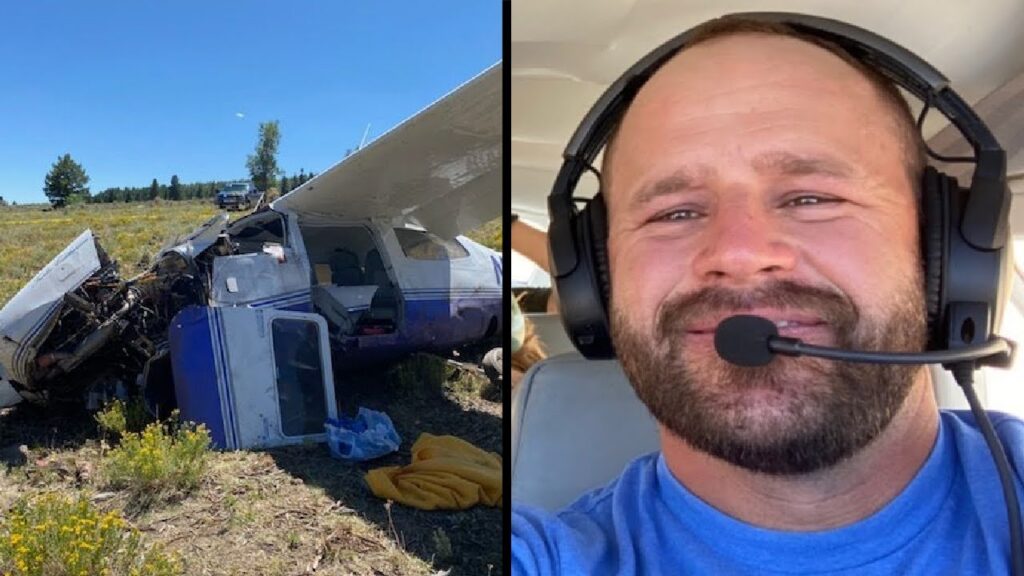
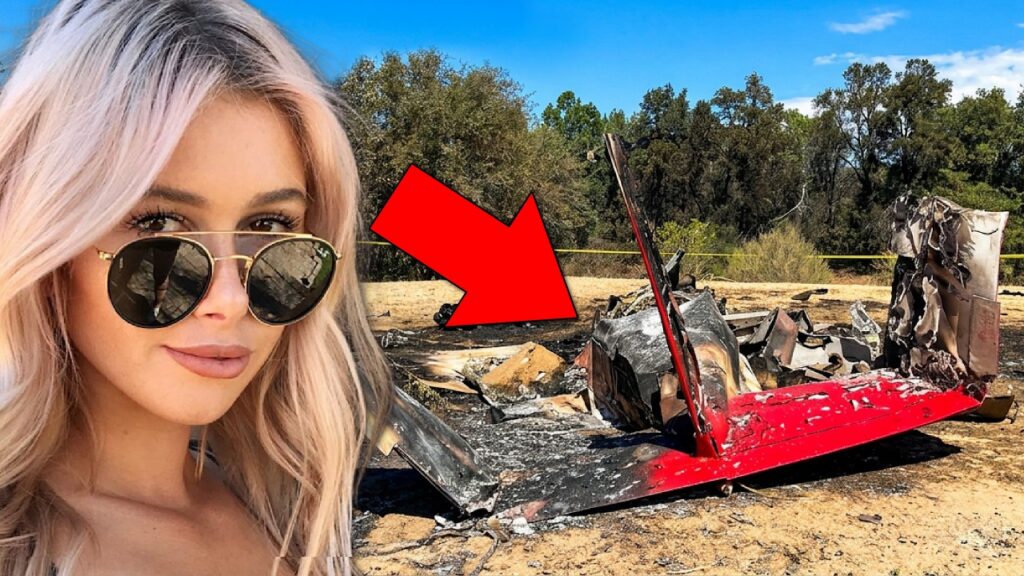
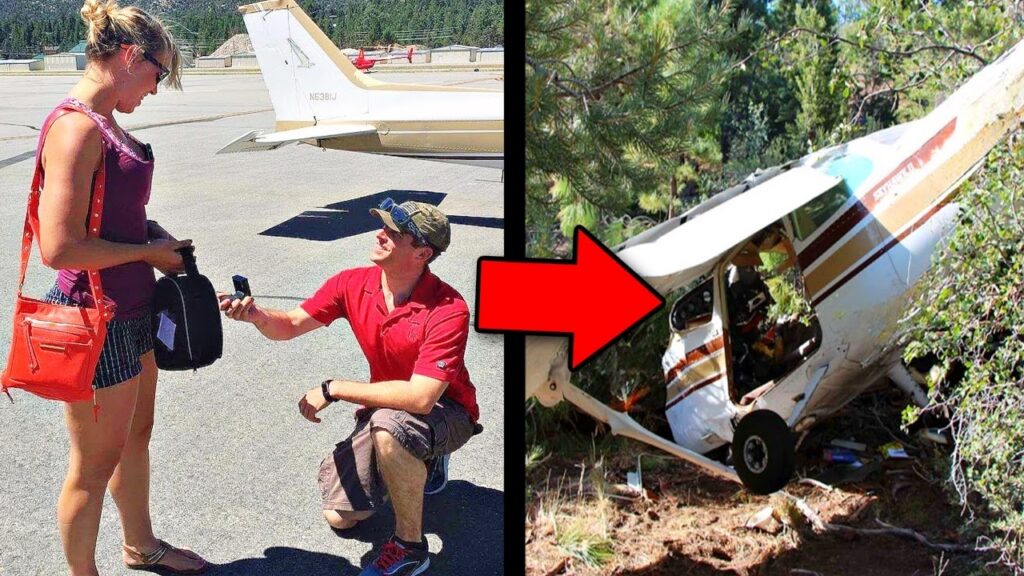
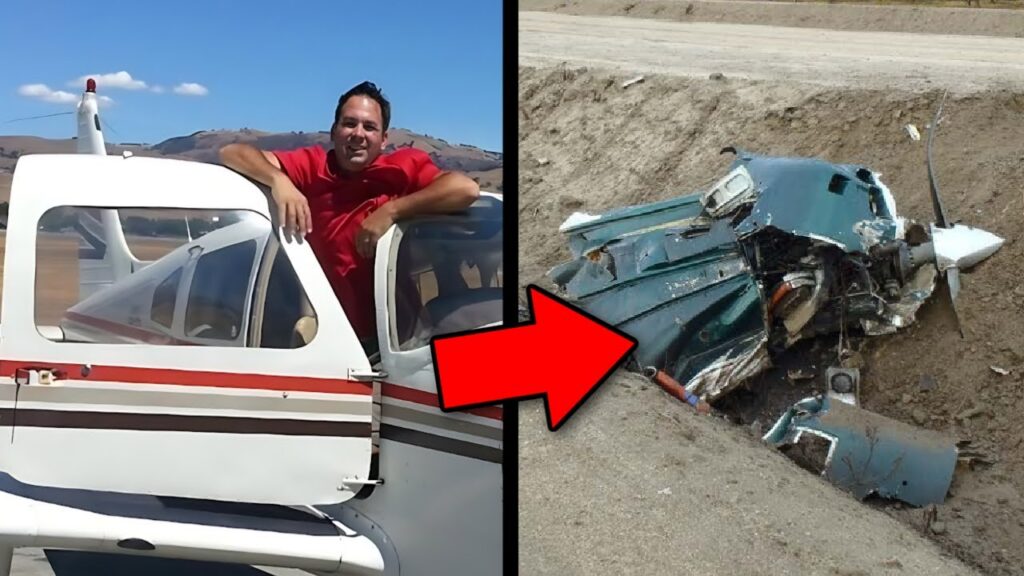
On December 19, 2015, a Piper PA-32RT-300T, N36402, broke apart in flight near Bakersfield, California. The pilot, his wife, and their three children were killed. Their vacation flight had continued into worsening weather after the pilot repeatedly climbed and changed course to stay clear of clouds.
The pilot downloaded official weather briefings the night before and again on the morning of departure. The forecasts described storms along the route, instrument conditions, high cloud tops, mountain obscuration, and potential icing. He did not hold an instrument rating.
The family planned to reach a destination where a surprise party was scheduled that evening. The pilot expected a flight of just over two hours and an arrival shortly before sunset. The forecast did not support an uncomplicated visual trip along the intended route, but the airplane departed.
Soon afterward, the track began changing as the pilot worked around clouds. Controllers reported precipitation bands and the potential for airframe icing ahead. The pilot kept climbing as the cloud tops rose, eventually nearing the altitude where an instrument clearance would be needed to enter Class A airspace. The airplane’s approved operating ceiling was 20,000 feet.
The climbing did not produce a stable route to the destination. The airplane subsequently descended and likely entered cloud. A controller offered an instrument flight rules clearance, and the pilot accepted despite not being instrument rated and having limited experience in actual instrument conditions.
The airplane made an abrupt left turn toward heavy precipitation. Soon after the clearance was accepted, the track became erratic. The NTSB considered it likely that configuring the avionics diverted attention from aircraft control at this point.
A rapid descending left turn followed. The pilot made a distress call, then another as the airplane continued moving erratically. The controller provided vectors toward a nearby airport, but there was no reply. The wreckage was located a few hours later.
By the accident, the flight had reached only about the halfway point of the planned trip, with roughly half an hour of daylight remaining. Weather deviations had consumed the expected travel time without delivering the airplane to the destination. Both wings and both halves of the stabilator separated in flight, and all five occupants were ejected during the breakup.
Investigation Findings
The NTSB found that the noninstrument-rated pilot chose to conduct and continue the flight despite forecast and encountered instrument conditions. It also identified his decision to accept an IFR clearance and enter those conditions as causal. Spatial disorientation and loss of control were followed by a breakup under excessive aerodynamic loads.
Examination of the debris field, damaged components, and fracture surfaces showed that the wings and stabilator failed from overstress. The structure had been loaded beyond its capacity during the loss-of-control sequence. The Board considered the loads likely to have been induced as the pilot attempted to regain control after entering cloud.
The exact combination that initiated the loss of control could not be fully separated. Inadequate ability to control the airplane in instrument conditions, spatial disorientation, airframe icing, and pitot-static icing were possible contributors. The airplane had flown in visible moisture and toward precipitation, so icing could not be ruled out.
The presence of an autopilot did not settle that question. The track showed variations in heading and altitude consistent with hand flying through substantial parts of the trip. A co-owner said the autopilot was working, but its principal components were destroyed and could not be tested. The investigation therefore retained uncertainty about its operation during the accident flight.
The oxygen arrangement also constrained the high-altitude strategy. The airplane had supplemental oxygen equipment sufficient for three people, while five were aboard. For more than half of the flight, the aircraft operated at altitudes where the report said all five needed oxygen. A mask found with the pilot’s clothing and the clarity of his radio transmissions suggested he was using it.
The NTSB considered that his lack of an instrument rating and insufficient oxygen equipment might have made him reluctant to declare an emergency and request a higher climb into Class A airspace. That possibility did not justify continued flight into cloud; it described how earlier planning choices could narrow the pilot’s perceived options.
The investigation found no evidence that coronary artery disease identified at autopsy had incapacitated or impaired him during the sequence. His communications and distress calls did not support such a medical explanation. The report instead connected the decisions to continuing weather challenges and pressure to arrive for the scheduled event.
An IFR clearance provided authorization and traffic handling, but it did not supply the skills required to fly without outside references. Accepting it changed the route and operating framework while leaving the same pilot responsible for attitude control in cloud. That distinction was central to the Board’s finding.
The flight’s repeated altitude and route changes also showed that the weather was not an isolated surprise at the end. The pilot received forecasts before departure and updates en route. Each climbing cloud layer or precipitation band provided another opportunity to reconsider whether the trip still fit the available qualifications and equipment.
NTSB Probable Cause
The noninstrument-rated pilot’s decision to conduct and continue the flight despite forecast and en route instrument meteorological conditions (IMC), which were not conducive to safe operation under visual flight rules. Also causal to the accident was the pilot’s decision to accept an instrument flight rules clearance and fly into IMC during cruise flight, which led to his spatial disorientation and a resultant loss of control and an in-flight breakup. Contributing to the accident was the pilot’s self-induced pressure to arrive at the destination for a party that night.
Safety Lessons
The first general lesson is to establish weather exit decisions before departure and honor them as the flight develops. A noninstrument-rated pilot needs a plan that remains in conditions suitable for visual flight, with landing or diversion options before those conditions disappear.
The second is to tell ATC the qualification and control limitations directly when assistance becomes necessary. A clearance is not a capability assessment. Controllers can help more effectively when they know that the pilot cannot safely continue in cloud and needs an option consistent with the remaining aircraft and pilot capability.
The third is to include every occupant in equipment and contingency planning. An oxygen system sufficient for some people is not sufficient for a strategy that places everyone at altitude. Weather, terrain, daylight, fuel, and passenger needs must support the same plan rather than be evaluated independently after options have narrowed.
Watch the Full Analysis
Frequently Asked Questions
Q: Why did the Piper Turbo Lance break apart near Bakersfield?
A: The NTSB found that the noninstrument-rated pilot continued into instrument conditions, lost control through spatial disorientation, and overstressed the airplane during the resulting sequence.
Q: Did accepting an IFR clearance make the flight safe in cloud?
A: No. The clearance did not change the pilot’s lack of an instrument rating or limited experience controlling the airplane in instrument conditions.
Q: Was icing definitely the cause of the breakup?
A: Icing could not be ruled out as a contributor to the loss of control, but the precise combination of factors was uncertain. The structural examination showed an overstress breakup following loss of control.
Sources and References