What Happened
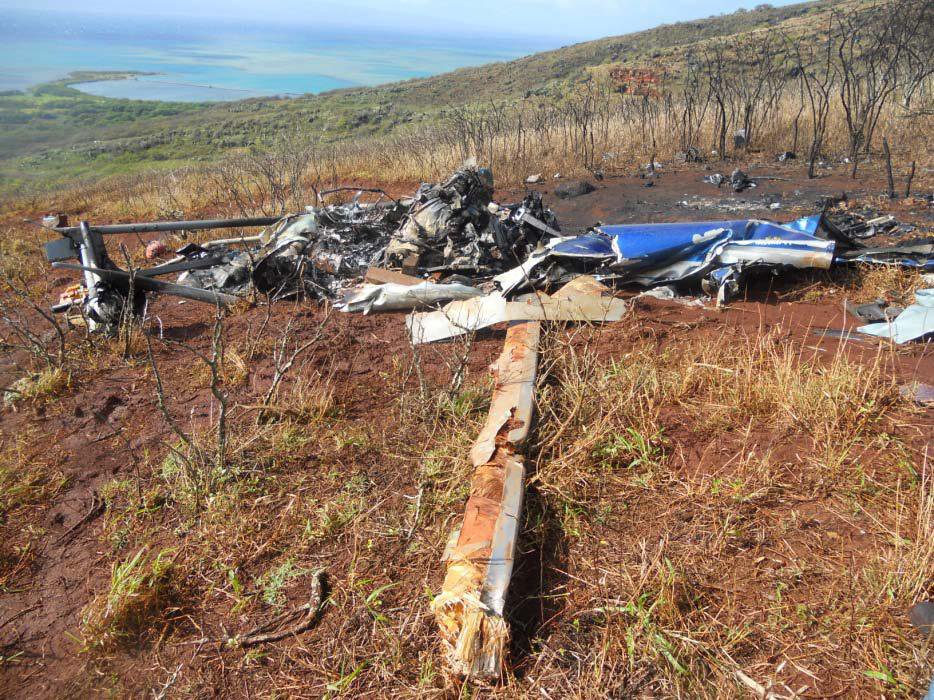
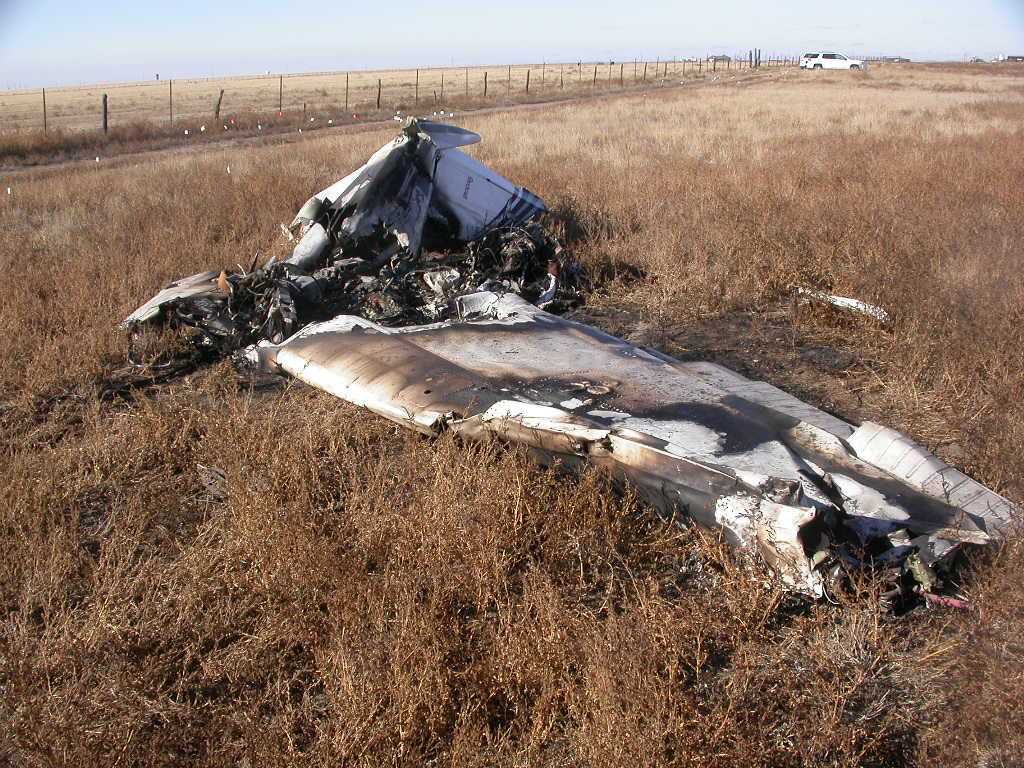
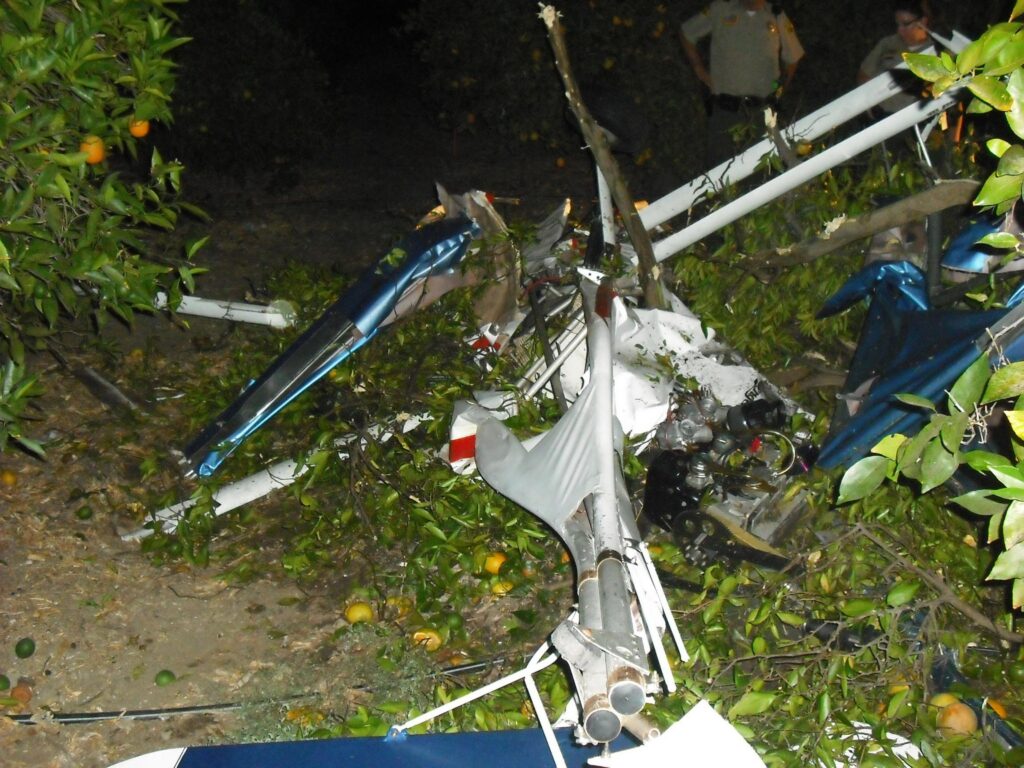
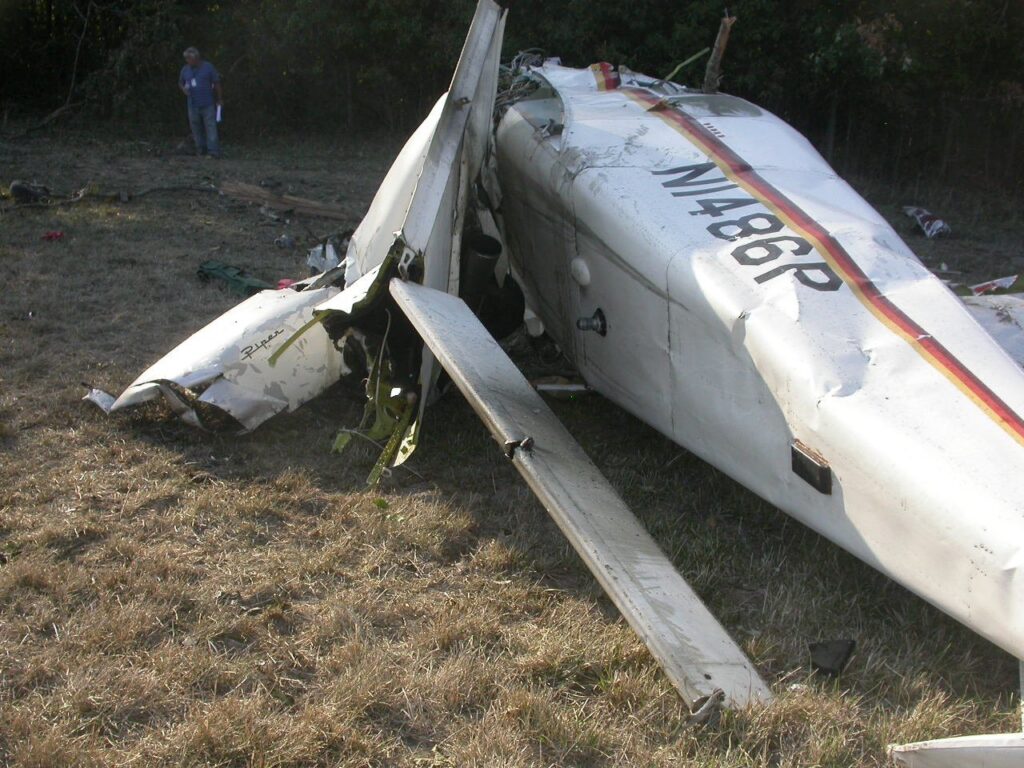
On August 29, 2012, around 6:00 PM, a 1956 Piper PA-23-150 twin-engine aircraft, tail number N1486P, was flying north from Illinois toward Iowa when the left engine quit. The 74-year-old commercial pilot and his passenger both died when the airplane struck trees during an attempted forced landing in rolling terrain about three miles southwest of Canton, Missouri.
The flight had started around 4:00 PM from Pinckneyville-DuQuoin Airport in southern Illinois, bound for the Antique Airfield near Blakesburg, Iowa. The pilot had topped off the fuel tanks earlier that afternoon, purchasing over 62 gallons at Sparta Community Airport. Now, about two hours into what should have been a routine cross-country flight, something went wrong with the left powerplant.
A private pilot on the ground near Wakonda State Park spotted the twin around 6:00 to 6:30 PM. The airplane was flying north at about 2,000 feet in level flight, but the left propeller wasn’t turning. The witness watched as the crippled aircraft continued toward the accident site, which was about six and a half miles away.
Another witness who lived near the crash site heard a “crunching” sound around 5:45 PM but didn’t see any smoke or other signs of an accident. He discovered the wreckage later while driving by the field and called authorities.
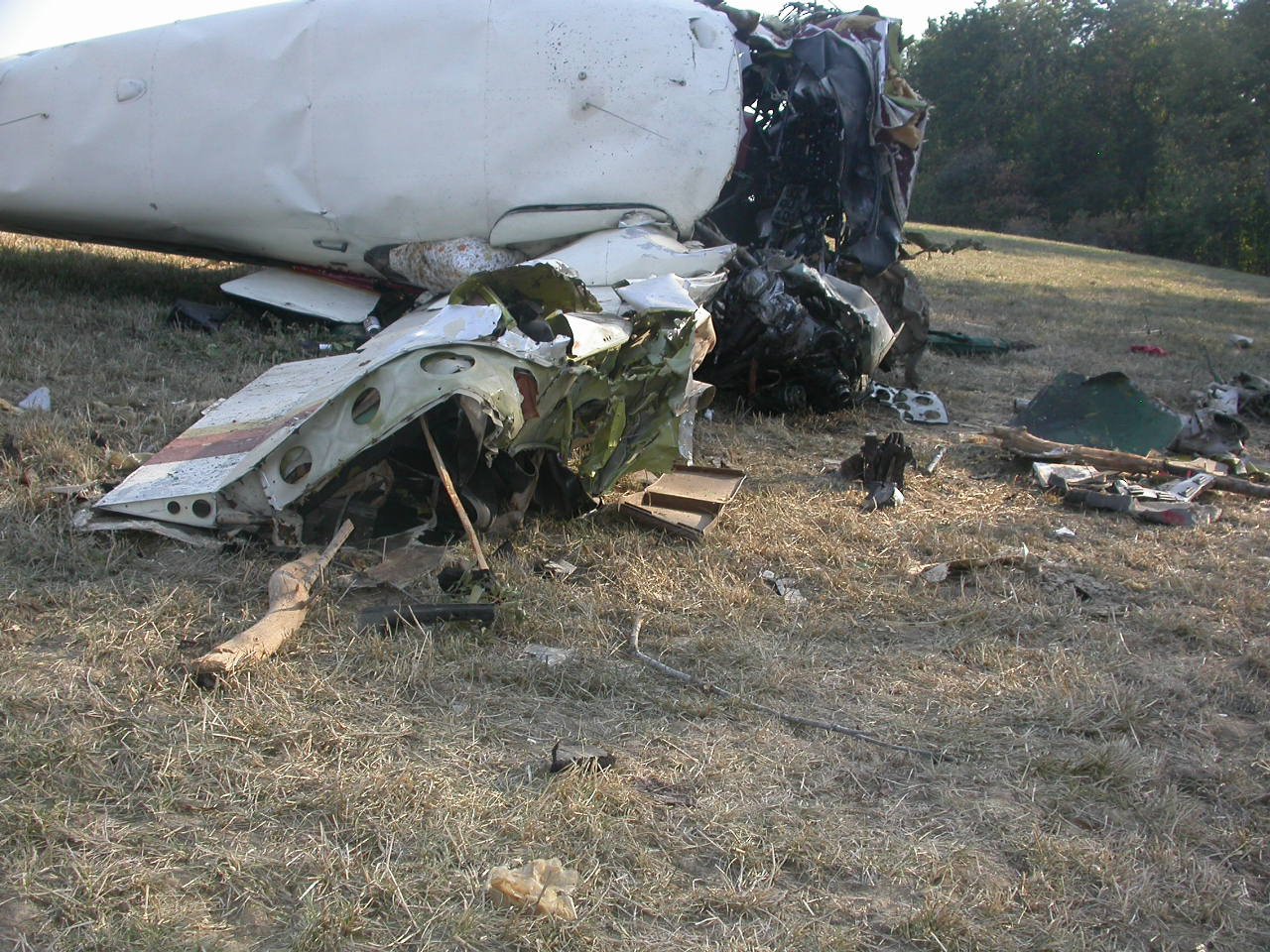
The airplane struck a 60-to-70-foot tree first, shearing off an eight-foot section of the left wing. The impact evidence showed the aircraft was wings-level when it hit. The main wreckage came to rest about 40 feet from the initial ground impact, facing the opposite direction from its flight path. There was no post-crash fire, though fuel staining was visible on the vegetation.
The pilot held commercial privileges with single-engine land, single-engine sea, and multi-engine land ratings. He also held an A&P mechanic certificate with inspection authorization. He’d owned this particular Apache for less than a year, having purchased it in October 2011. The airplane’s logbooks showed it had flown only about 21 hours since March 2010, suggesting it wasn’t used regularly.
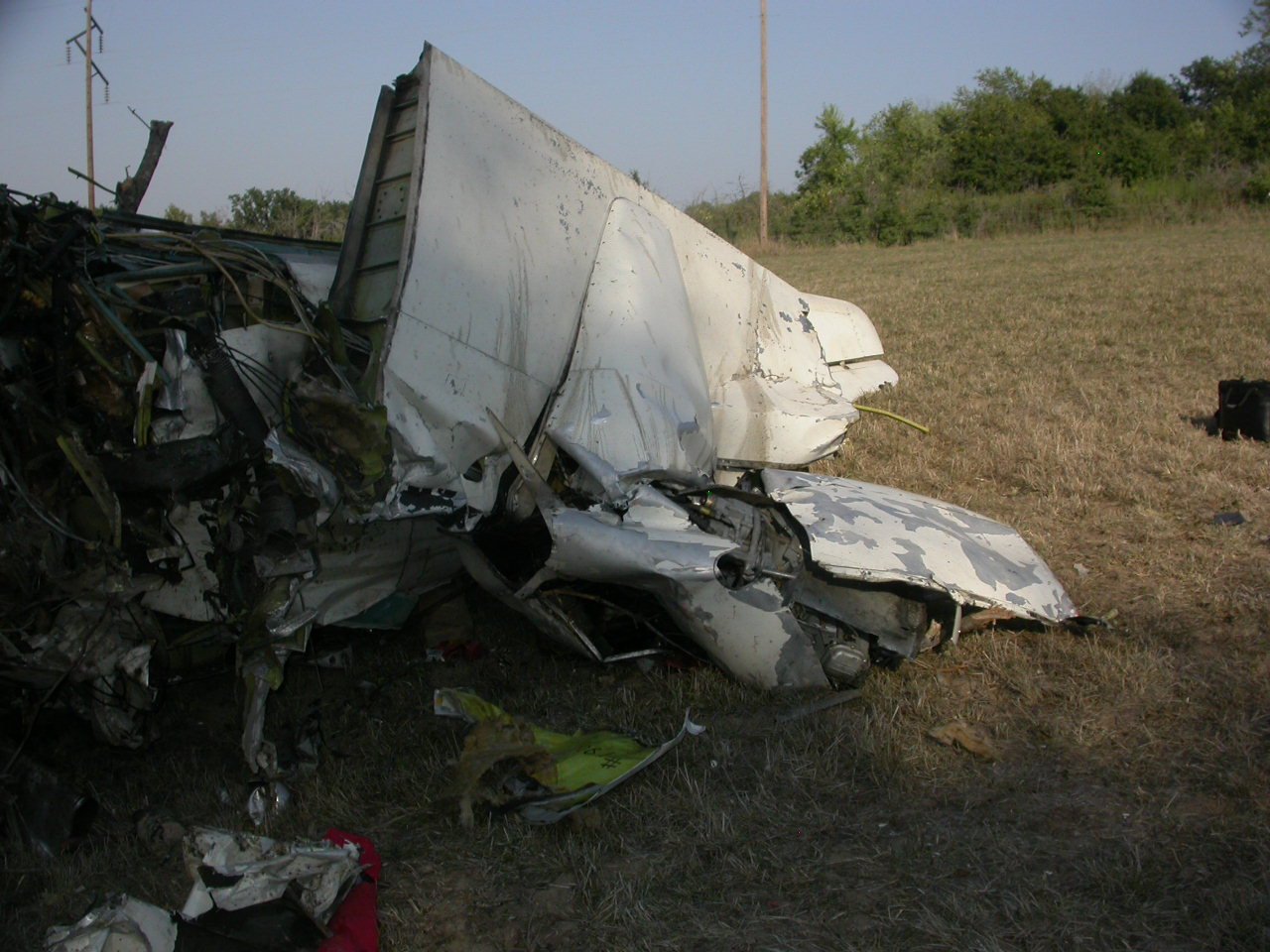
Investigation Findings
The NTSB’s examination revealed that the left engine had suffered a complete power loss due to fuel starvation. While the engine itself was mechanically sound, investigators found a critical maintenance error that had introduced air into the fuel system.
The left wing’s gascolator bowl contained a blue silicone gel-type sealant covering about two-thirds of the bowl’s circumference where a gasket should have been installed. No proper gasket was found in the gascolator. Testing confirmed this blue substance was consistent with Permatex Blue RTV Silicone Gasket Maker, a product specifically labeled as “Not recommended for use on head gaskets or parts in contact with gasoline.”
When investigators tested an exemplary gascolator with the same blue RTV silicone and filled it with aviation fuel for 24 hours, the silicone expanded inside the bowl, matching what they found in the accident aircraft. This seal breach would have allowed air to enter the fuel system, potentially unporting the carburetor and causing the engine to quit from fuel starvation.
The left engine’s spark plugs from cylinders 1, 2, and 4 showed carbon fouling, indicating a rich fuel mixture. These cylinders had fuel primer lines attached, suggesting the pilot had attempted to restart the failed engine using the primer system. The right engine’s spark plugs appeared normal, and that engine showed no signs of mechanical problems.
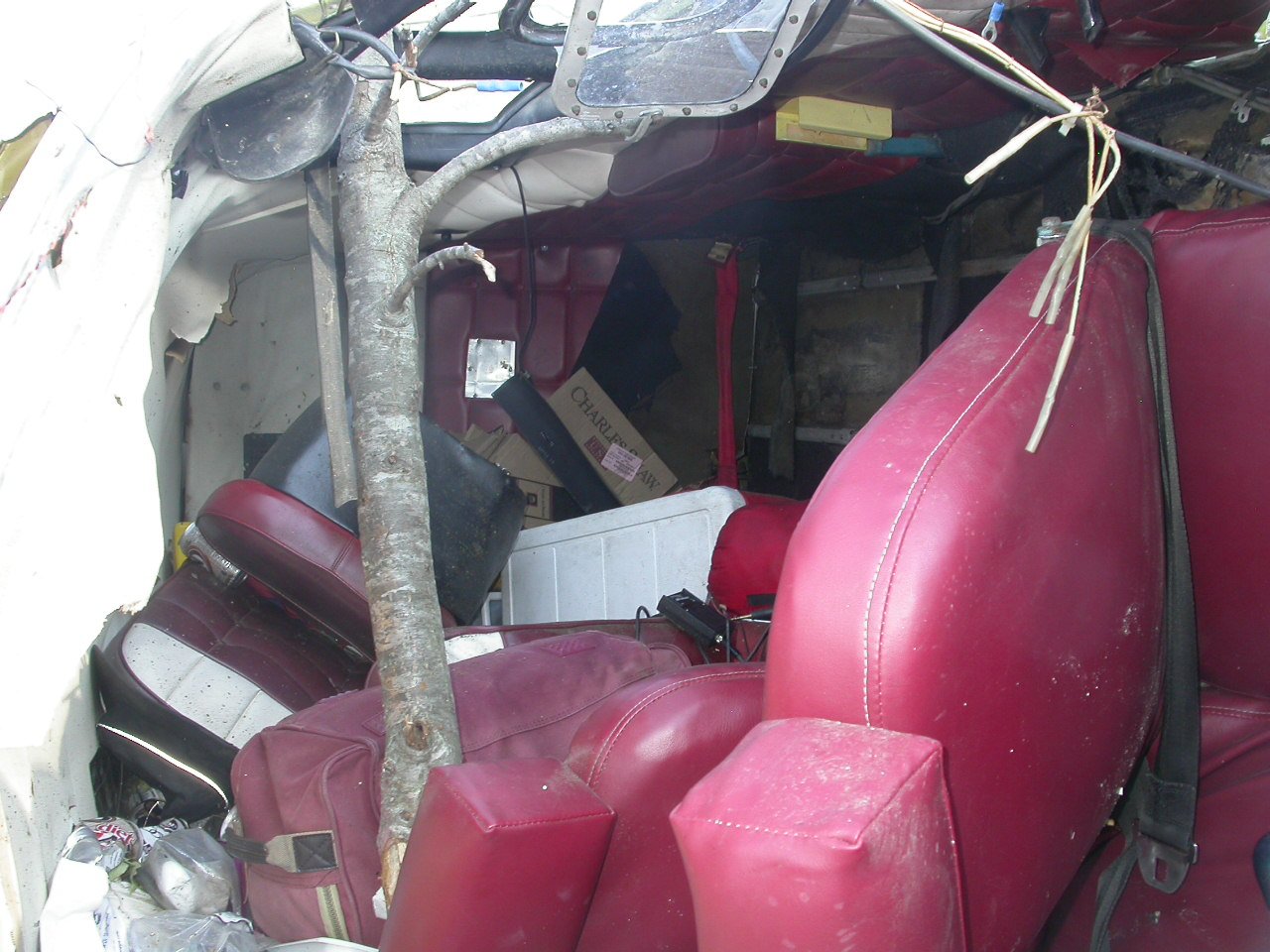
Weight and balance calculations revealed the airplane was likely at or above its maximum gross weight of 3,500 pounds at takeoff. With an estimated 320 pounds of camping equipment and personal gear in the cabin, plus full fuel tanks, the aircraft may have weighed as much as 3,756 pounds if the auxiliary tanks were also full. At the accident site’s elevation and the high density altitude of nearly 3,000 feet, the airplane’s single-engine climb performance would have been severely degraded – perhaps as low as 110 feet per minute if it could climb at all.
NTSB Probable Cause
The pilot’s improper decision to attempt to execute a forced landing to an open field with obstacles. Contributing to the accident was the left engine’s total loss of power due to fuel starvation as a result of the introduction of air into the fuel system through a gascolator seal breach and the pilot’s use of an improper substance on the left wing gascolator bowl during maintenance operations, which led to the gascolator seal breach.
Safety Lessons
This accident highlights three critical areas where small decisions can have fatal consequences. The chain of events that led to this tragedy began in the hangar during maintenance and culminated with a forced landing attempt in challenging terrain.
- Use only approved materials for aircraft maintenance. The pilot’s use of automotive RTV silicone sealant in place of a proper gascolator gasket directly caused the engine failure. Aviation gaskets and seals are specifically designed and tested for compatibility with aviation fuels. Using the wrong sealant introduced air into the fuel system, starving the engine of fuel. Always consult the parts catalog and use manufacturer-approved components, even for seemingly simple repairs.
- Weight and balance affects emergency performance more than normal operations. This Apache was likely 200-250 pounds over its maximum gross weight. While that might be manageable in normal flight, it becomes critical during single-engine operations. The airplane’s ability to climb on one engine was already marginal in the high density altitude conditions. The extra weight likely made it impossible to maintain altitude or maneuver to better landing areas.
- Terrain selection during forced landings requires looking beyond the immediate area. Better landing areas with fewer obstacles were available to the northwest of the airplane’s apparent route, but the pilot chose to land in rolling terrain with trees and obstacles. When an engine fails, especially in a twin where you might have some control over your glide path, take time to evaluate all available options rather than committing to the first open space you see.
Frequently Asked Questions
Q: Why did the left engine fail if there was plenty of fuel on board?
A: The engine failed due to fuel starvation, not fuel exhaustion. The improper silicone sealant in the gascolator created a seal breach that allowed air to enter the fuel system. This air can unport the carburetor, preventing fuel from reaching the engine even when the tanks are full. It’s similar to getting an air bubble in a drinking straw.
Q: Could the pilot have restarted the left engine during the emergency?
A: The evidence suggests he tried. The carbon-fouled spark plugs in cylinders with primer lines attached indicate the pilot attempted to use the fuel primer system to restart the engine. However, with air in the fuel system due to the gascolator seal breach, these restart attempts were unlikely to succeed.
Q: How much does weight affect single-engine performance in twins?
A: Dramatically. This PA-23’s single-engine climb rate dropped from about 170 feet per minute at proper weight to potentially just 110 feet per minute when overloaded by 250 pounds. In high density altitude conditions, the airplane might not climb at all when overweight, severely limiting options for reaching better landing areas.
Q: What should pilots know about gascolators and fuel system maintenance?
A: Gascolators filter debris from fuel before it reaches the engine-driven fuel pump. They require proper gaskets to maintain fuel system integrity. Never substitute automotive sealants or gaskets for aviation-approved parts. Always drain and inspect gascolators during routine maintenance, and replace gaskets with manufacturer-approved components.
Q: How should pilots prioritize landing sites during twin-engine emergencies?
A: First priority is maintaining aircraft control and following engine failure procedures. Then evaluate all available landing areas within gliding distance, not just the first field you see. Consider surface conditions, obstacles, approach angles, and runway length. In twins with marginal single-engine performance, you may need to accept a longer glide to reach a significantly better landing area.