What Happened
On November 11, 2013, at 12:56 AM central time, a Beechcraft B36TC, registration N4245D, crashed into terrain about two nautical miles northeast of Rick Husband Amarillo International Airport during a missed approach attempt. The 48-year-old private pilot and two passengers were killed in the impact and post-crash fire.
The pilot had flown a marathon day of flying on November 10th. He started with a flight from Tradewind Airport in Amarillo to Lubbock at 2:24 PM, then continued to Dallas at 3:36 PM, and finally departed Dallas at 9:23 PM for the return leg to Lubbock. All three flights were conducted under instrument flight rules, even though the weather was visual conditions for most of the day.
The accident flight departed Lubbock at 11:47 PM, bound for Tradewind Airport near Amarillo. But when they arrived at Tradewind around 12:30 AM, the pilot found himself staring at a wall of fog. The weather at nearby Amarillo International was reporting quarter-mile visibility, fog, sky obscured, and a 100-foot vertical visibility ceiling. Dense fog advisories were in effect across the Texas Panhandle, with visibility down to 50 feet in some areas.
The pilot flew the RNAV Runway 35 approach to Tradewind but couldn’t see the runway through the fog. At 12:39 AM, he radioed air traffic control and reported executing a missed approach due to fog. Controllers then cleared him for the ILS Runway 4 approach into Amarillo International, about six miles away, with Plainview as an alternate if that approach also failed.
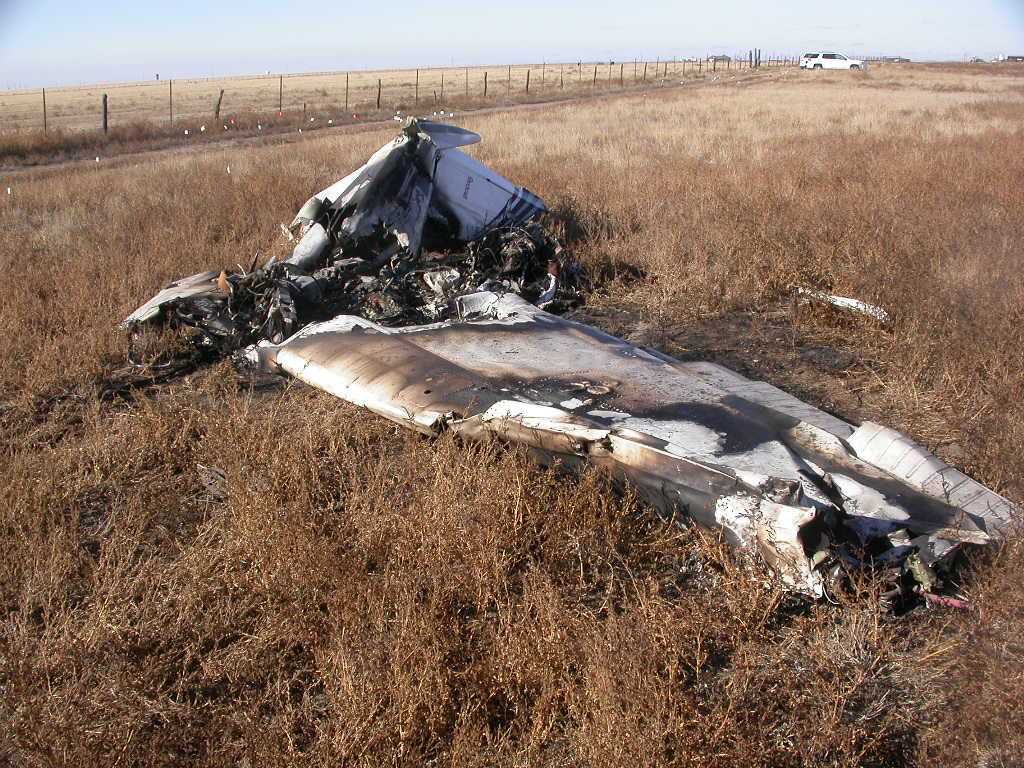
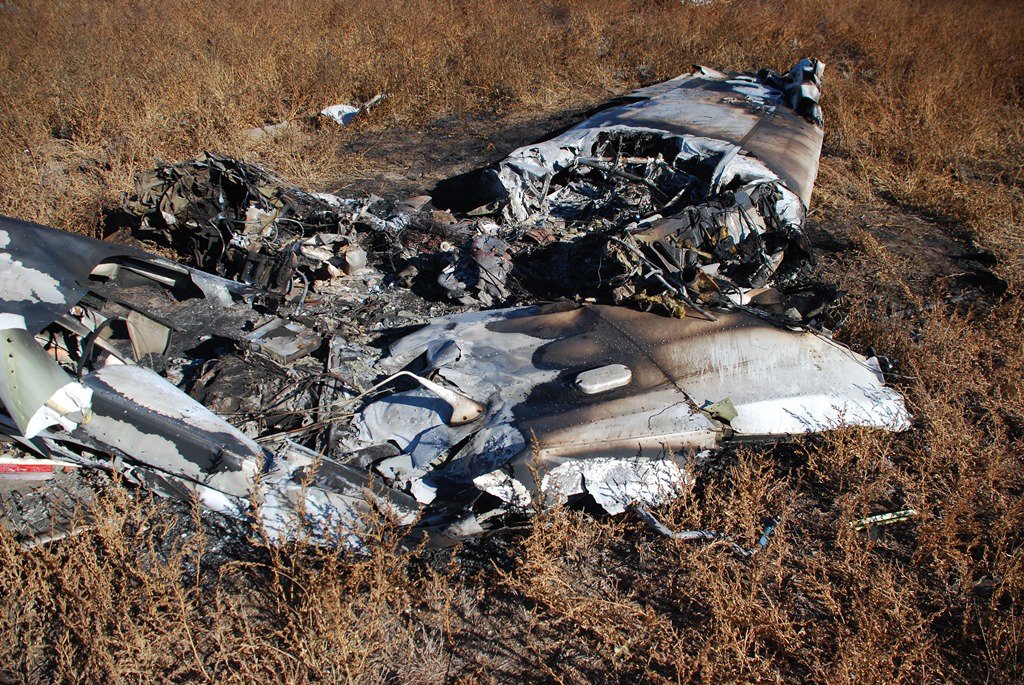
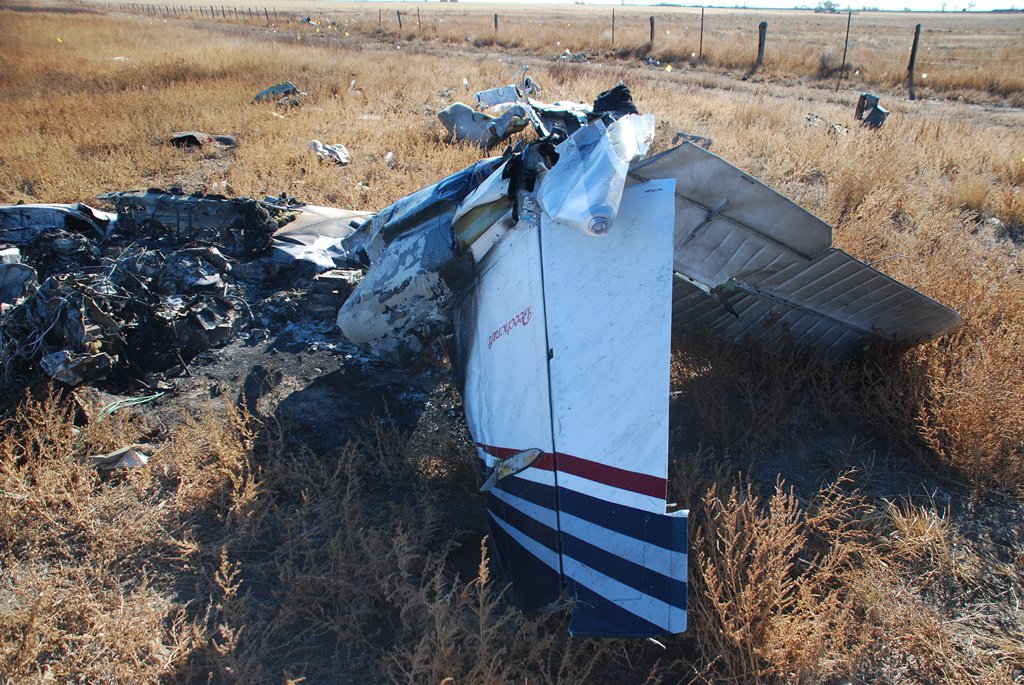
The pilot acknowledged the clearance and began the approach to Amarillo. But something went wrong during the missed approach procedure. Radar contact was lost, and the Bonanza crashed into a clay dirt pasture, creating a 1,000-foot debris field. The engine traveled the furthest from the initial impact point, indicating a high-energy collision with the ground.
Investigation Findings
The NTSB’s examination revealed a pilot who was attempting something he wasn’t qualified to do. Records showed no evidence that the pilot held an instrument rating. He had actually taken the FAA instrument knowledge test on October 24, 2013, just 18 days before the accident, but failed with a score of 68 percent when 70 percent was required to pass.
The pilot had only recently purchased the Bonanza on October 30, 2013, just 12 days before the crash. He received initial training consisting of 4 hours of ground instruction and 10.5 hours of flight time, including about 2.5 hours in actual instrument conditions. During that limited training, they practiced using the autopilot, flight director, and programming the Garmin navigation systems for instrument approaches.
An experienced Bonanza pilot had helped ferry the airplane from North Carolina to Texas, flying about 15 hours over three days. Even though they filed IFR flight plans, the weather was visual conditions and they didn’t practice any instrument approaches during the ferry flights.
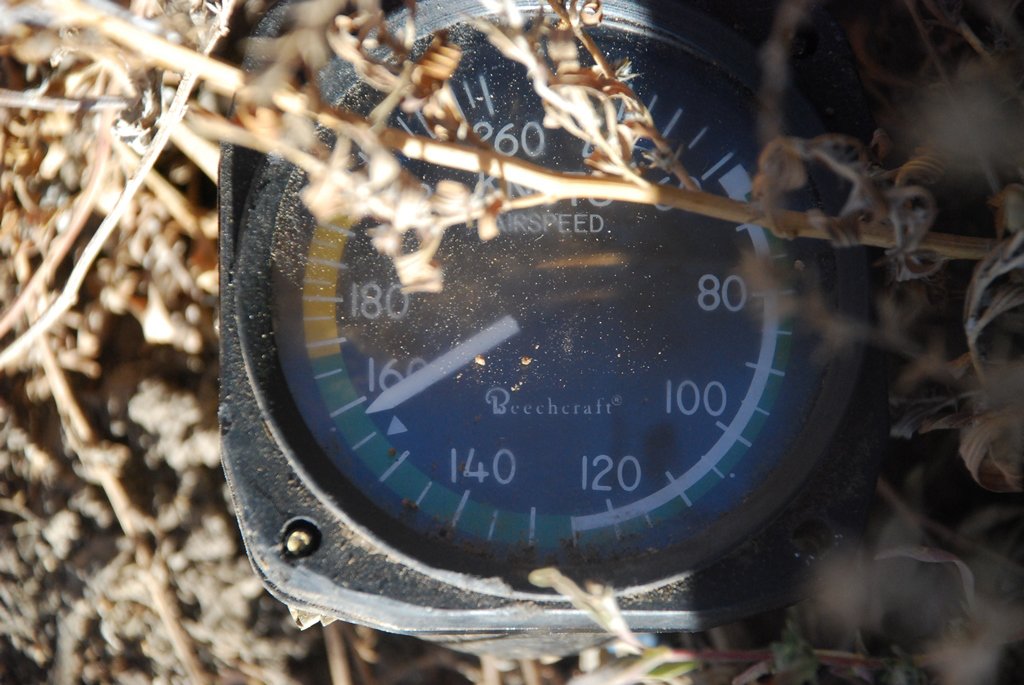
The wreckage examination found no evidence of mechanical problems. The engine showed no signs of operational distress, oil starvation, or internal damage. All primary flight controls were intact with cable separations consistent with overload forces from impact. The airspeed indicator was found stuck at 156 knots, suggesting the airplane was flying well above normal approach speeds when it hit the ground.
Toxicology testing revealed gabapentin and duloxetine in the pilot’s system, both disqualifying medications that he had not reported on his recent medical certificate application. The pilot’s daughter explained he had been taking pain medications for nerve pain following a broken leg in 2011. However, she reported that he appeared alert and energetic before the flight with no signs of sedation.
NTSB Probable Cause
The noninstrument-rated pilot’s improper decision to fly a night instrument approach in instrument meteorological conditions, which resulted in the pilot’s spatial disorientation and loss of control of the airplane during an attempted missed approach.
Safety Lessons
This accident illustrates the deadly combination of inadequate training, poor decision-making, and challenging weather conditions that can trap even well-intentioned pilots.
- Know your limitations and respect them. The pilot was attempting night instrument approaches in near-zero visibility conditions without an instrument rating. No amount of recent training can substitute for proper certification and proficiency. The 2.5 hours of actual instrument time during initial training was nowhere near sufficient for the conditions he encountered.
- Fatigue compounds poor decision-making. The pilot had already flown three legs totaling over eight hours that day before attempting this final approach in the worst possible conditions. Physical and mental fatigue degrade judgment, reaction times, and the ability to process information during high-workload situations like instrument approaches.
- Medication compliance is a safety issue, not just a regulatory one. The pilot was taking two disqualifying medications without reporting them to the FAA. While the medications may not have directly caused the accident, they could have impaired his ability to recognize and recover from spatial disorientation during the critical missed approach phase.
Frequently Asked Questions
Q: Can a pilot without an instrument rating legally file IFR flight plans?
A: Yes, a pilot can file IFR flight plans without an instrument rating, but they cannot legally fly in instrument meteorological conditions. The regulations allow non-instrument rated pilots to file IFR in visual conditions for traffic separation purposes, but they must maintain visual flight rules at all times.
Q: What is spatial disorientation and why is it so dangerous during missed approaches?
A: Spatial disorientation occurs when a pilot cannot accurately determine their aircraft’s position, motion, or attitude relative to the earth. During missed approaches, pilots must transition from descent to climb while maintaining precise heading and airspeed control, often in poor visibility. Without visual references, the inner ear can provide false sensations that contradict flight instruments, leading to loss of control.
Q: How much instrument training is typically required before attempting approaches in actual IMC?
A: The FAA requires 40 hours of instrument training for an instrument rating, including 15 hours with an instructor. Even after earning the rating, most safety experts recommend maintaining instrument currency through regular practice and recurrent training. The 2.5 hours of actual IMC time this pilot had was insufficient for single-pilot operations in challenging conditions.
Q: What should a pilot do when encountering conditions beyond their qualifications?
A: Pilots should land at the nearest suitable airport with acceptable weather conditions, even if it means staying overnight or arranging alternate transportation. This pilot had Plainview as a designated alternate airport, and should have diverted there after the first missed approach rather than attempting a second approach in equally challenging conditions.