What Happened
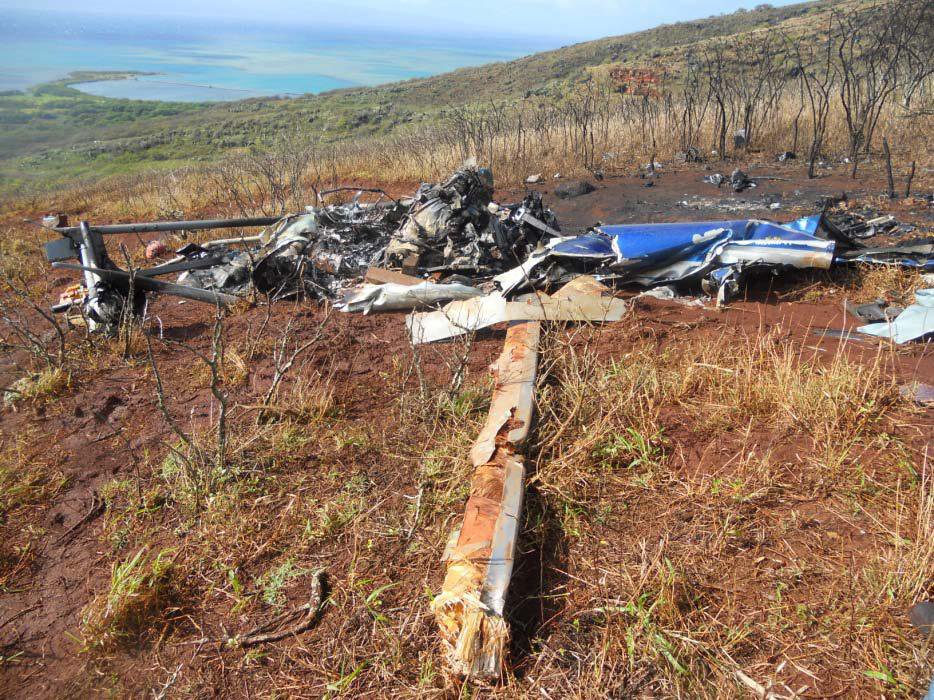
On November 10, 2011, at 12:14 PM Hawaiian time, Eurocopter EC130 B4 helicopter N11QV crashed into mountainous terrain near Pukoo, Hawaii, on the island of Molokai. The commercial pilot and four passengers were killed. The helicopter was operated by Blue Hawaiian Helicopters on a scheduled sightseeing flight that had departed from Kahului Airport on Maui about 30 minutes earlier.
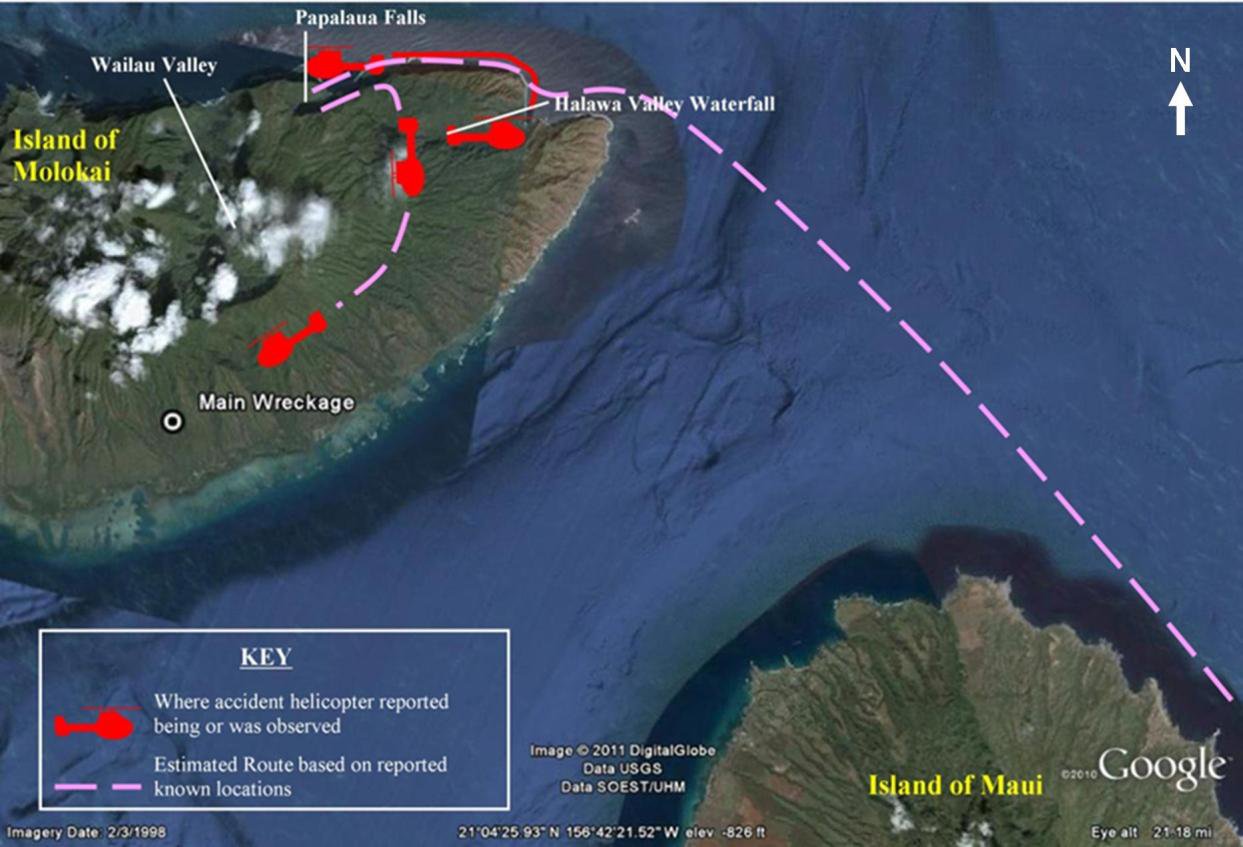
The 30-year-old pilot was conducting his third flight of the day, a 70-minute roundtrip tour that normally included viewing waterfalls along Molokai’s spectacular northern sea cliffs. The planned route would take them north from Maui, across the channel to Molokai’s northeast shore to see Halawa Valley Waterfall, then westbound along the dramatic northern cliffs to Papalaua Falls. If weather permitted, the flight would continue into Wailau Valley and climb up and over the valley wall to the southern side of the island. If conditions didn’t allow that route, the alternate was to reverse course eastbound along the northern shore, then around the eastern tip to the south side.
But the weather that morning was deteriorating. Other tour pilots in the area reported conditions that wouldn’t allow passage through Wailau Valley. Fast-moving rain squalls were building, driven by strong northeasterly winds of 25-30 knots over the ridges. The last pilot to see N11QV observed it flying westbound along the southern side of Molokai’s central mountain ridges, just below a cloud ceiling at about 2,000 feet above sea level. The helicopter appeared to be in straight and level flight with no signs of distress.
Then witnesses on the ground heard something wrong. Their attention was drawn to the helicopter by what they described as a “whoop whooping” sound. One witness saw the helicopter descending from the island’s central ridgeline and observed pieces falling from it as it descended. Another witness, who had the clearest view, reported that the helicopter went “straight down” and impacted the ground sideways. Other witnesses saw a large fireball when it hit. The accident occurred during what several witnesses described as poor weather conditions, with rain showers moving through the area.
Investigation Findings
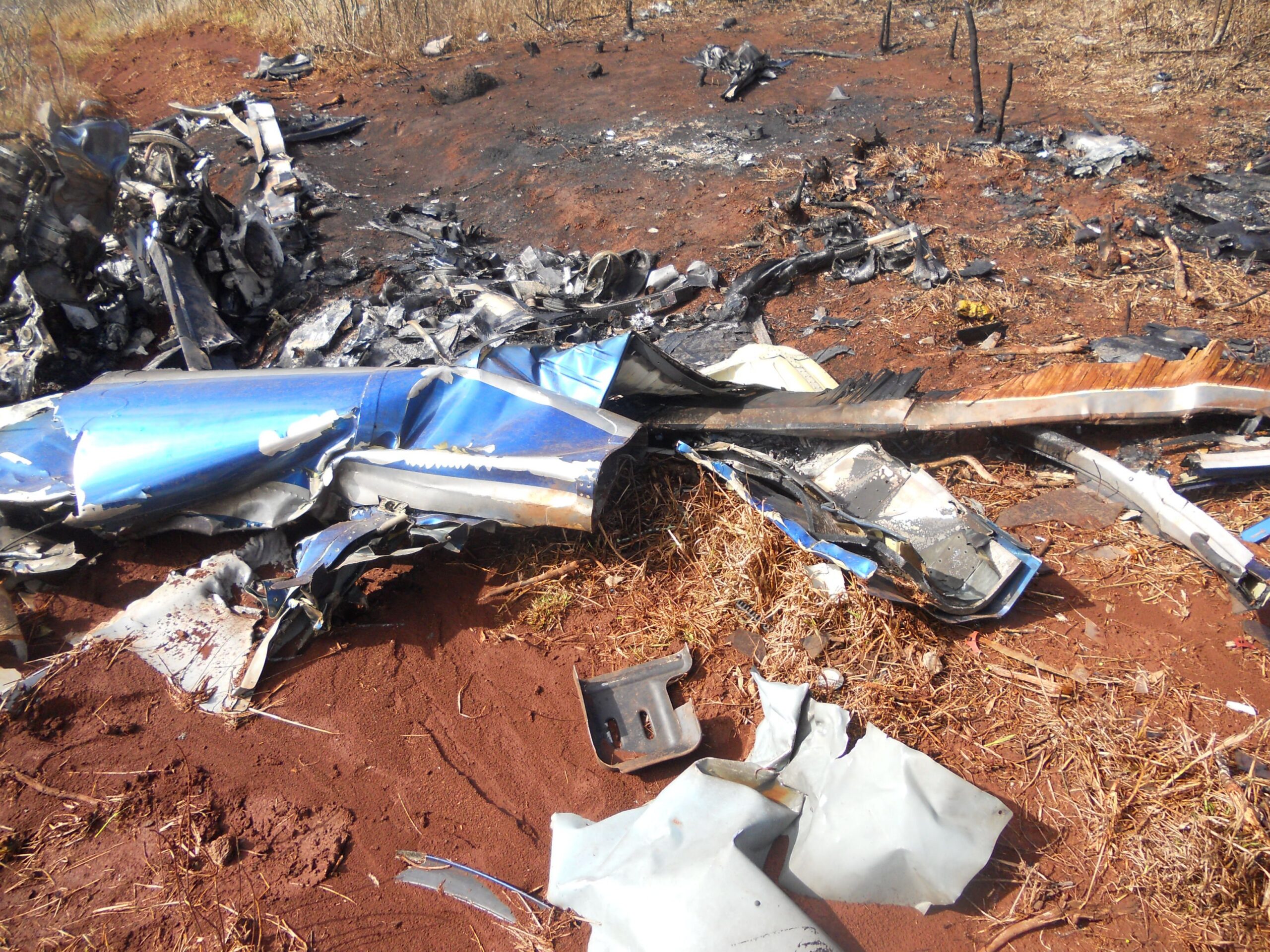
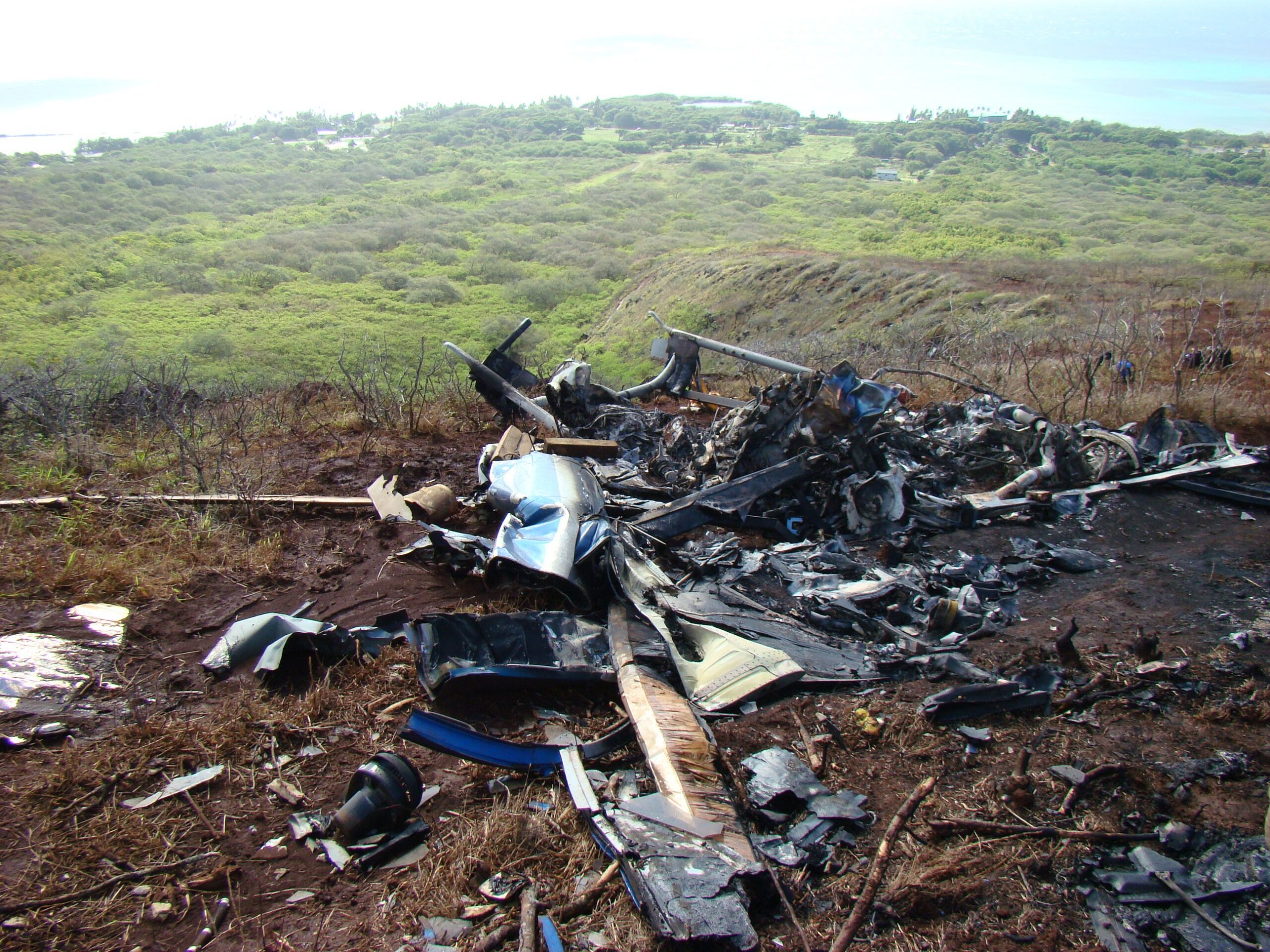
The helicopter impacted mountainous terrain about five miles west of Pukoo at an elevation of 530 feet above sea level. The wreckage came to rest inverted on the apex of a north-south ridgeline with terrain sloping 25-30 degrees. The overall debris field stretched approximately 1,330 feet, with the main wreckage located in a large burn area where post-impact fire consumed most of the helicopter.
The pattern of wreckage told a story. Sections of the fenestron (the shrouded tail rotor) were scattered along a debris path leading northwest from the main wreckage. The fenestron gearbox was found 80 feet from the main wreckage. A large section of the upper fenestron structure was located 398 feet away. The tail stinger was found 537 feet away, and the stinger attach bracket was located 864 feet from the main wreckage. Critically, the outboard portion of the right horizontal stabilizer was never found among the recovered wreckage.
Examination of the recovered fenestron pieces revealed something significant: several areas showed angled cuts and deformation consistent with being struck by the main rotor blades. When investigators mapped the damage patterns on an exemplar helicopter, they found evidence of three distinct cuts through the lower portion of the fenestron. The location, spacing, and type of damage were consistent with the main rotor blades striking the lower fenestron three times on the left side as the blades rotated clockwise.
The horizontal stabilizer examination provided more clues. The right side showed significant impact damage. Soil and wood debris were embedded in the space between the spar and spar strap on the aft side. The right side leading edge structure was deformed upward and aft, and was crushed against the spar. The attachment hardware had failed in a pattern consistent with the right side of the horizontal stabilizer moving aft when it fractured.
The critical failure point was the junction frame that connects the fenestron to the tail boom. This aluminum structure had fractured circumferentially at its forward flange. The fracture initiated near the 5 o’clock position (lower right side looking forward) and progressed around the circumference. Metallurgical examination showed the fracture exhibited ductile overstress signatures with no evidence of pre-existing cracks or material defects.
Weather conditions at the time were challenging. The forecast called for scattered clouds at 2,500 feet with temporary conditions of broken ceilings at 2,000 feet, visibility 3-5 miles in rain showers, and winds of 25-30 knots over mountain ridges. An AIRMET was in effect for moderate turbulence below 10,000 feet over and south of mountains on all Hawaiian islands. The pilot had received a weather briefing that morning that included these warnings.
NTSB Probable Cause
The pilot’s failure to maintain clearance from mountainous terrain while operating in marginal weather conditions, which resulted in the impact of the horizontal stabilizer and lower forward portion of the fenestron with ground and/or vegetation and led to the separation of the fenestron and the pilot’s subsequent inability to maintain control. Contributing to the accident was the pilot’s decision to operate into an area surrounded by rising terrain, low and possibly descending cloud bases, rain showers, and high wind.
Safety Lessons
This accident demonstrates how quickly a helicopter tour can turn deadly when pilots push weather limits in mountainous terrain. The pilot was experienced with 4,500 total helicopter hours and had passed a Part 135 competency check just the day before the accident. But experience doesn’t protect you from the physics of terrain clearance in deteriorating weather.
- Weather minimums are minimums, not targets. The forecast called for temporary conditions of 2,000-foot ceilings and 3-5 mile visibility in rain showers, with isolated conditions as low as 1,500-foot ceilings. Flying “just below” a 2,000-foot ceiling over ridgelines leaves zero margin for error when clouds lower or terrain rises.
- Terrain awareness systems have limitations. This helicopter was equipped with Garmin’s Helicopter Synthetic Vision Technology (HSVT) that provided 3D terrain displays and alerts. But no system can substitute for maintaining adequate clearance margins in challenging conditions. Technology assists decision-making; it doesn’t replace it.
- Have exit strategies before you need them. The planned route included an alternate if weather didn’t permit the primary path through Wailau Valley. But once committed to flying along the ridgelines in deteriorating conditions, the pilot’s options became limited. Helicopter tours in mountainous terrain require constant reassessment and early decision points for turning back.
Frequently Asked Questions
Q: What is a fenestron and why did its separation cause the helicopter to crash?
A: A fenestron is a shrouded tail rotor system used on Eurocopter helicopters. When the fenestron separated from the tail boom after impacting terrain, the helicopter lost yaw control (the ability to control which direction the nose points). Additionally, the loss of this major component shifted the helicopter’s center of gravity forward, making it aerodynamically unstable and uncontrollable.
Q: How did investigators determine the helicopter struck terrain before the main impact?
A: The debris pattern and damage examination revealed the sequence. Pieces of the fenestron were found scattered along a 1,330-foot debris field leading to the main wreckage. The horizontal stabilizer showed impact damage with soil and vegetation embedded in the structure. The fenestron pieces showed damage patterns consistent with being struck by the main rotor blades after the fenestron separated from the tail boom.
Q: What weather conditions existed at the time of the accident?
A: The forecast called for scattered clouds at 2,500 feet with temporary conditions bringing ceilings down to 2,000 feet, visibility 3-5 miles in rain showers, and winds of 25-30 knots over mountain ridges. Witnesses reported the helicopter was flying just below the clouds in an area of rain showers and poor visibility. An AIRMET was in effect for moderate turbulence.
Q: Were there any mechanical problems with the helicopter?
A: No. The helicopter had undergone a 100-hour inspection two days before the accident with no defects noted. Engine examination revealed no evidence of mechanical malfunctions that would have precluded normal operation. The structural failures of the fenestron junction frame and horizontal stabilizer were the result of impact forces, not pre-existing defects.
Q: How experienced was the pilot?
A: The 30-year-old pilot held commercial helicopter and instrument ratings with about 4,500 total helicopter hours, including 306 hours in the EC130. He had previously flown Bell 407 and 206 helicopters for Bristow International in the Gulf of Mexico, accumulating 3,300 hours there. He had passed a Part 135 competency check ride the day before the accident, demonstrating proficiency in all required tasks.