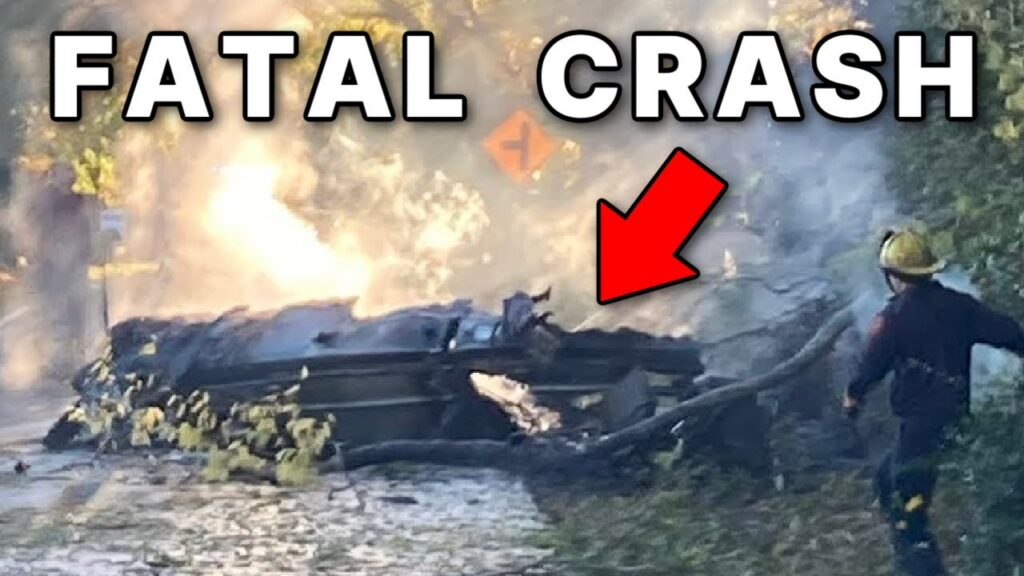
On September 12, 2023, a Thrush Aircraft LLC S2R-T660, registration N710TY, was involved in a fatal accident near Ardoch, North Dakota, during an aerial application flight. The operation was conducted under Part 137, and the purpose of the flight was straightforward: spray a sunflower field during normal daytime conditions. The weather was good, the airplane was performing normally, and there were no mechanical issues identified. What ultimately brought the flight to an end was a hazard that agricultural pilots know all too well—wires.
The Pilot
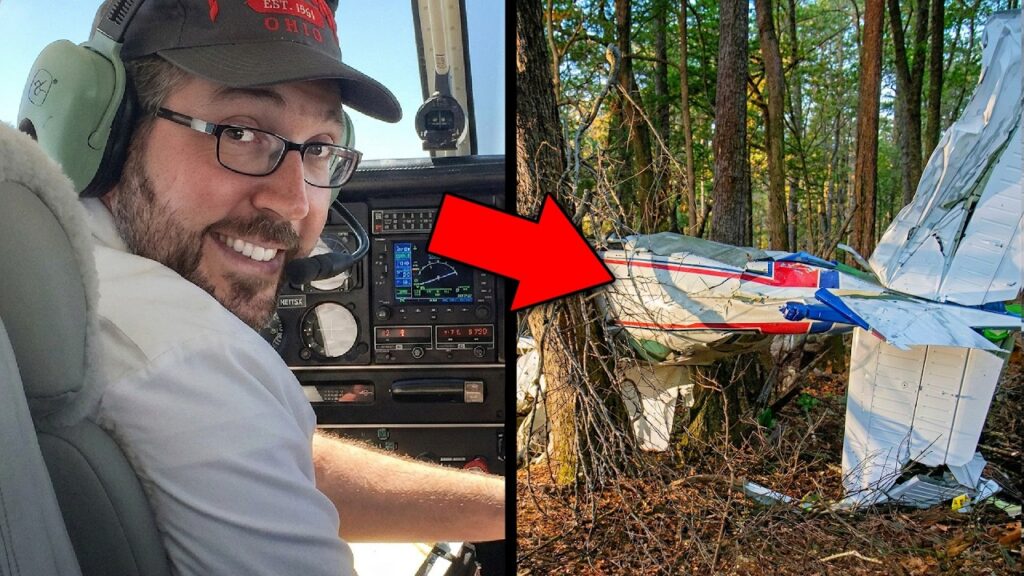
The pilot was a 33-year-old commercial pilot operating as an occupational ag pilot. He held a commercial certificate with a single-engine land rating and did not hold an instrument rating. His FAA first-class medical certificate had been issued just five months earlier, in April 2023, with no waivers or limitations. According to the NTSB, the pilot had an estimated 4,000 hours of total flight time across all aircraft, placing him firmly in the category of an experienced professional agricultural aviator.
A review of medical and toxicology records found no evidence of impairment or medical incapacitation. This was not a case of an inexperienced pilot, poor health, or questionable qualifications. This was a routine workday flight for someone who had done this type of flying many times before.
The Aircraft
The aircraft involved was a 2023 Thrush Aircraft LLC S2R-T660, a turbine-powered agricultural airplane equipped with a Pratt & Whitney PT6A-65AG producing 1,300 horsepower. The airplane had accumulated just under 300 hours since new at its most recent inspection and was operating under a restricted category airworthiness certificate for agricultural use. Engine monitoring data showed normal performance throughout the flight, including in the moments immediately preceding the accident.
From a mechanical standpoint, the airplane was doing exactly what it was supposed to do.
Departure and Setup
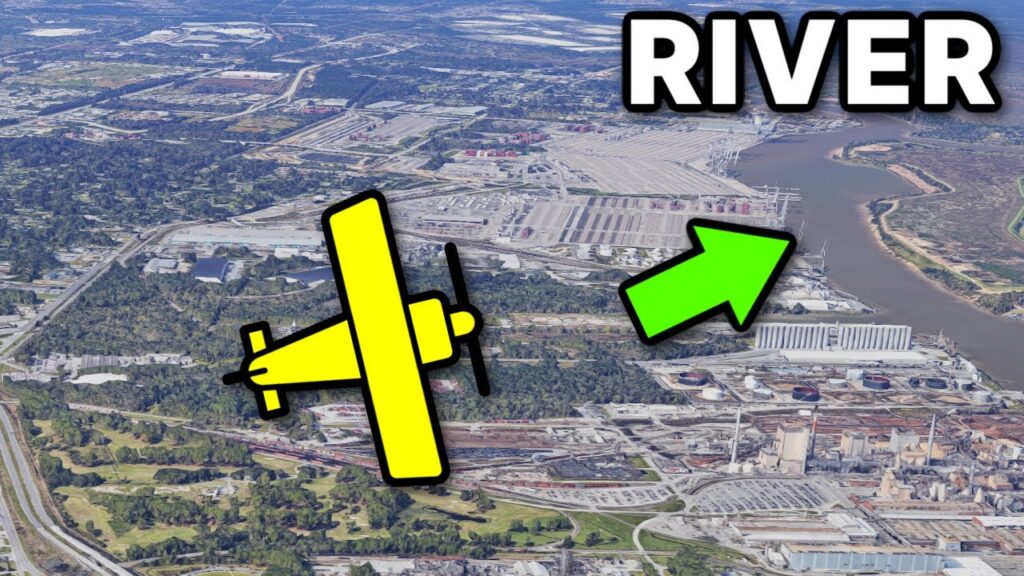
The flight originated from a private airstrip near Oslo, Minnesota, with a planned return to the same strip. Engine monitor data indicated the airplane was set to takeoff power at approximately 11:52 a.m. local time. About seven minutes later, the airplane arrived at the sunflower field intended for spraying.
Data recovered from the aircraft’s spray system allowed investigators to reconstruct the flight path with precision. Rather than immediately beginning spray passes, the pilot first flew around the perimeter of the field, a common practice to visually identify obstacles, boundaries, and reference points before committing to low-level work.
The field was bordered by power lines running north to south along its western edge.
The Spraying Pass
After completing the perimeter inspection, the airplane began a spray run along the east side of the field, flying north. At the end of that pass, the pilot executed a left 180-degree turn to reverse course and began flying south along the west side of the field.
As the airplane tracked south, it remained west of the visible power lines. However, those poles were supported by guy wires—thin, angled cables extending from the poles to ground anchors. One of those guy wires extended across the flight path at a height that intersected the airplane’s left wing.
While flying along the edge of the field, the left wing struck the guy wire.
Wire Strike and Loss of Control
The impact was catastrophic. The outboard seven feet of the left wing, along with the left aileron, separated immediately upon contact with the wire. Those components were later found in a neighboring soybean field, showing clear evidence of wire strike damage through the leading edge and forward spar.
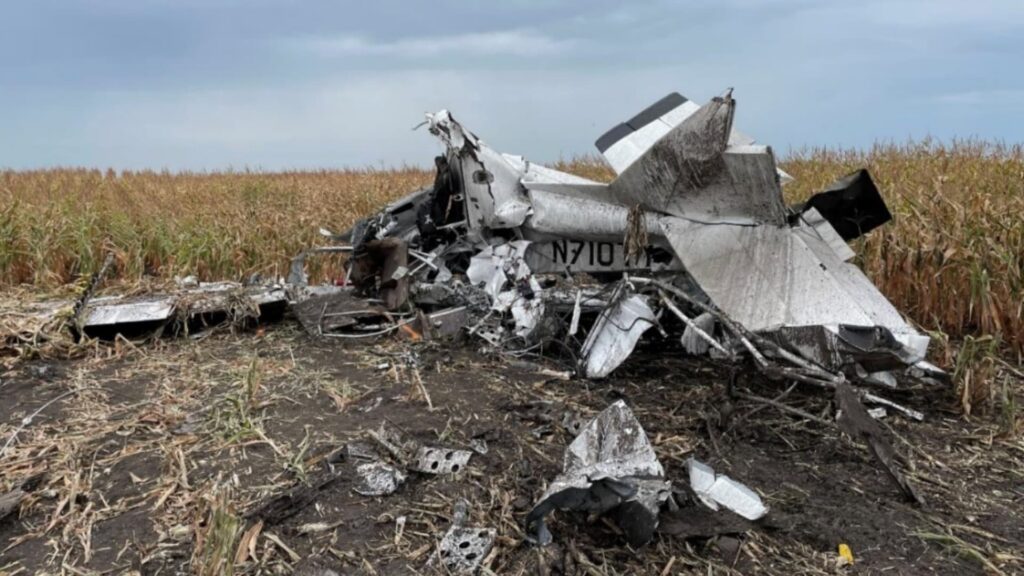
Despite the severe damage, the airplane continued flying for approximately 0.3 miles. Without a significant portion of its left wing and with asymmetric lift, controlled flight was no longer possible. The airplane descended and impacted a cornfield on an east-southeast trajectory.
The final recorded flight data point was captured less than half a minute after the wire strike.
Impact and Wreckage
The airplane impacted the ground in a left-wing-down, nose-down attitude. The engine, propeller, and main landing gear separated during impact, and the wreckage path was consistent with a high-energy collision with terrain.
Investigators accounted for all major flight control surfaces. While control continuity could not be confirmed due to impact damage, there was no evidence of any preimpact failure or anomaly. The engine examination revealed no mechanical malfunctions, and propeller damage indicated the engine was producing power at the time of impact.
This was not an engine failure, not a loss of power, and not a mechanical breakdown.
The Guy Wire
The power line structure involved stood approximately 73 feet tall and was supported by three guy wires. The wire that was struck was a 3/8-inch-diameter cable, roughly 95 feet long, attached to the pole crossarm about 65 feet above the ground and anchored approximately 62 feet away from the pole.
The wire separated from the pole during the collision but remained attached to its ground anchor. Damage to the wire was found about 82 feet from the anchor point, consistent with the location of the wing strike.
Guy wires are notoriously difficult to see from the cockpit, particularly in low-level agricultural flying where visual workload is high and attention is divided between field alignment, spray patterns, terrain, and obstacles.
Probable Cause
The National Transportation Safety Board determined that the probable cause of the accident was the pilot’s failure to maintain clearance from a guy wire during an aerial application flight. There were no contributing mechanical, medical, or environmental factors identified.
This was a single-event accident rooted in obstacle clearance during low-altitude operations.
Safety Takeaways
Agricultural flying is unforgiving by nature. It demands precision, discipline, and constant vigilance at altitudes where there is no margin for error. This accident highlights a risk that ag pilots understand intellectually but still face every day: wires are often the most dangerous obstacles, not because they are rare, but because they are so common and so hard to see.
The pilot in this case did many things right. He was experienced, medically qualified, flying a well-maintained airplane, and operating in good weather. He conducted a perimeter inspection of the field before spraying. And yet, a single unseen wire was enough to end the flight.
Guy wires in particular pose a unique hazard. They are thinner than power lines, often blend into the background, and may extend farther into a field boundary than expected. Even when the main power line is avoided, the supporting wires can still be waiting.
This accident is a reminder that in low-level operations, obstacle awareness is never complete. It must be continuously refreshed, re-evaluated, and respected. The absence of mechanical failure or impairment makes the lesson even clearer: in agricultural aviation, terrain and obstacles are the primary threat, and they do not allow second chances.