What Happened
On December 7, 2011, at approximately 1621 Pacific Standard Time, a Eurocopter AS350-B2 helicopter, registered N37SH and operated by Sundance Helicopters, Inc., lifted off from Las Vegas McCarran International Airport. It was a Twilight tour, one of the company’s signature sightseeing runs out toward the Hoover Dam area. Five people were aboard: the pilot and four paying passengers. The evening was clear. Visibility was good. Dusk light was settling across the desert. By all appearances, it was a routine run over terrain the company flew every day.
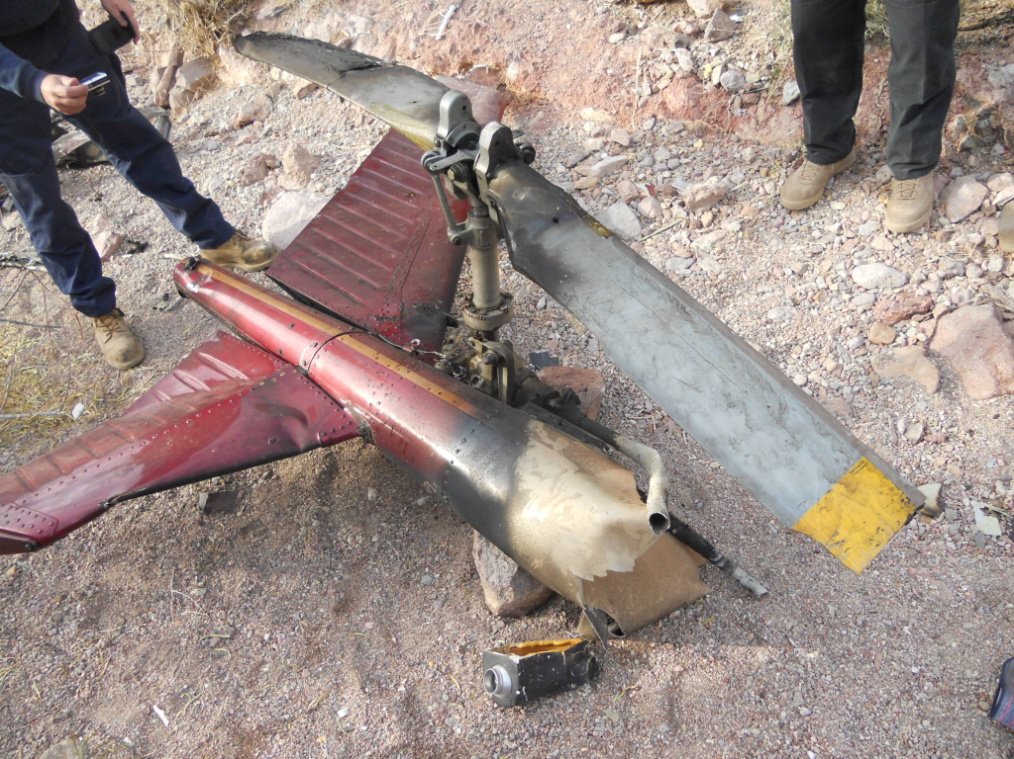
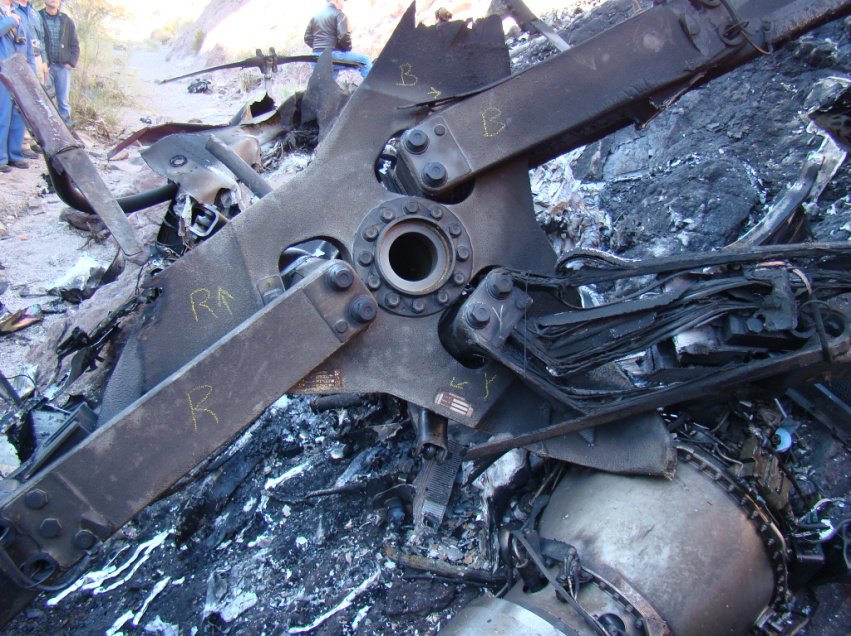
About nine minutes after departure, at approximately 1630, the helicopter went down in mountainous terrain roughly 14 miles east of Las Vegas. The impact destroyed the airframe. A postimpact fire consumed what remained. All five people on board were killed. There was no flight data recorder. There was no cockpit voice recorder. The helicopter was not required to carry either. What the NTSB had to work with was wreckage, maintenance records, and the people who had touched this helicopter in the days before it flew.
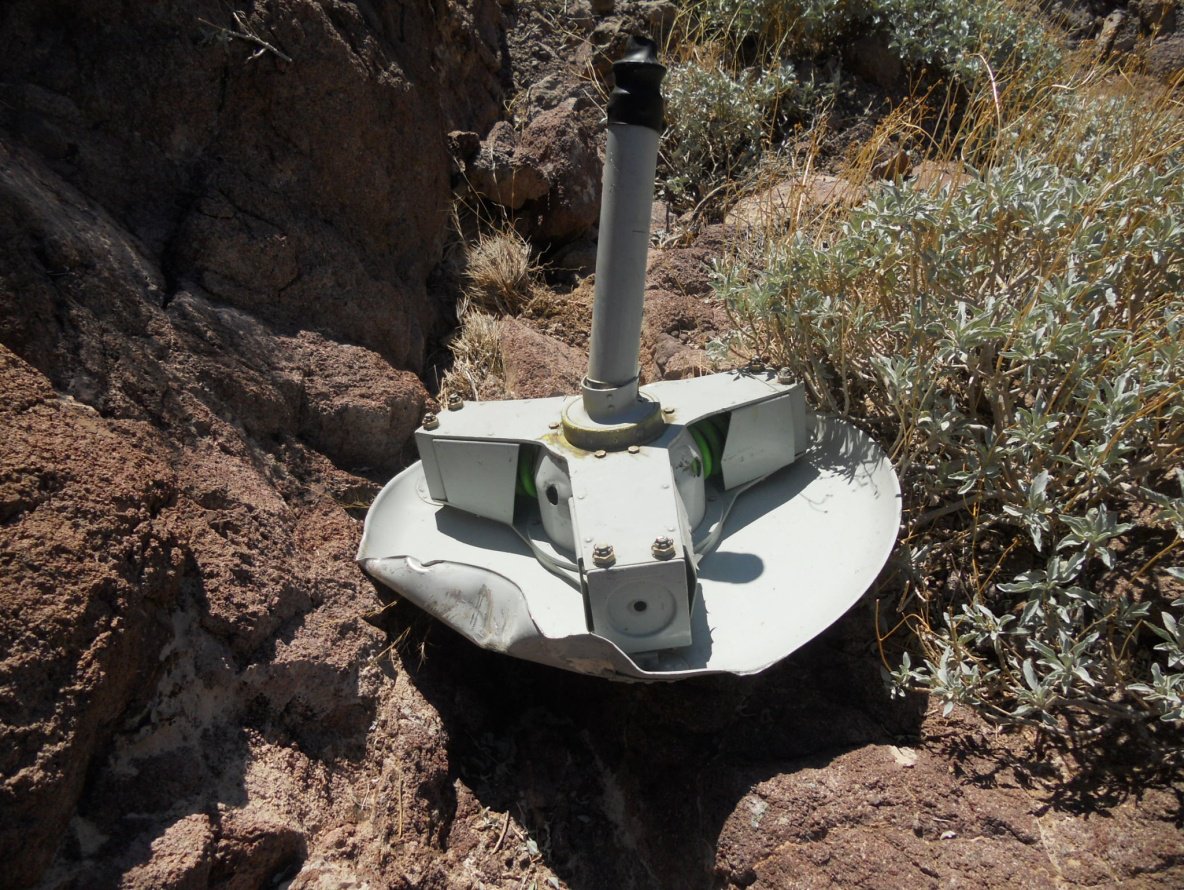
The investigation reached back to the maintenance work performed on N37SH before the accident flight. Sundance mechanics had worked on the helicopter’s flight control system, specifically the fore/aft servo and its associated hardware. The fore/aft servo is part of the hydraulic flight control system that translates pilot inputs into rotor blade pitch changes. Without it functioning correctly, the pilot has no meaningful longitudinal control of the helicopter. The servo control input rod connects the mechanical control linkage to the servo itself, and that connection is secured by hardware that is supposed to be simple, reliable, and inspected after every time someone touches it.
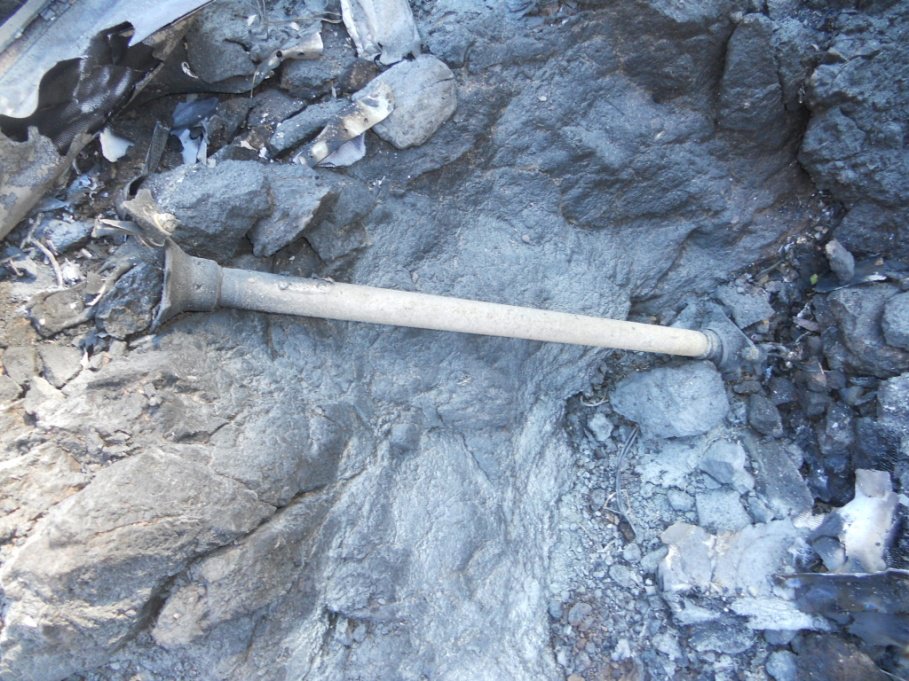
During the investigation, the NTSB determined that the servo control input rod had separated from the fore/aft servo during flight. That separation rendered the helicopter uncontrollable. The pilot had no way to recover. The sequence from separation to impact was not survivable. And the reason that rod separated came down to two small pieces of hardware and the human decisions surrounding them: a self-locking nut that should have been replaced and wasn’t, and a split pin that may not have been installed at all.
Investigation Findings
The NTSB’s investigation of this accident was thorough and methodical, running through maintenance records, personnel interviews, physical evidence from the wreckage, and a detailed look at Sundance Helicopters’ maintenance program. The physical evidence told a specific story. Examiners found that the self-locking nut used to secure the servo control input rod showed signs of degradation consistent with reuse. A self-locking nut works because the locking insert, typically a nylon collar, deforms slightly when the nut is first torqued down and creates friction that resists backing off under vibration. That locking capacity degrades every time the nut is removed and reinstalled. Maintenance manuals and basic hardware practice prohibit reusing self-locking nuts precisely because a degraded nut can back off under the vibration loads a helicopter generates continuously in flight. Someone reinstalled a degraded nut on a critical flight control component, and it backed off.
The split pin, also called a cotter pin, is the mechanical backstop against exactly this scenario. Once installed through the bolt or stud and bent into place, a split pin physically prevents a nut from rotating off even if the locking feature has failed. The investigation found that the split pin was either improperly installed or not installed at all. Without that second layer of retention, there was nothing to stop the nut from working itself loose as the helicopter vibrated through normal flight. The rod eventually separated completely.
The NTSB dug into why these two failures occurred and found answers in the human and organizational conditions surrounding the maintenance work. The mechanic who performed the work and the inspector who signed it off were both fatigued. The investigation documented work schedules and shift lengths that were consistent with meaningful fatigue degradation at the time the work was done and reviewed. Fatigue does not cause a person to forget that a safety-critical step exists in the abstract. What it does is erode vigilance, compress attention, and make it easier to believe you have completed a step you have not completed. A tired person checking their own mental checklist will often find items checked that they did not actually perform.
Compounding the fatigue problem was a documentation issue. Sundance’s maintenance procedures for this task did not include clearly delineated step-by-step instructions. The task was not broken into discrete, sequential, checkable items. That matters because a clearly structured task card gives a fatigued mechanic an external reference to check against. Without that structure, the mechanic is relying entirely on memory and habit. The postmaintenance inspection had the same problem. The inspector did not have a structured inspection checklist to work through step by step, so verification of the split pin installation depended on the inspector’s attention and recall rather than a systematic process. A fatigued inspector working from memory against a critical hardware installation is a vulnerable system.
The NTSB also looked at Sundance Helicopters’ broader maintenance culture and oversight. What emerged was a picture of a maintenance program that had gaps in its procedural documentation and inspection rigor for safety-critical control system work. These were not gaps that announced themselves loudly. They were the kind that persist quietly until a specific set of conditions aligns: the wrong hardware, a tired mechanic, a tired inspector, and no structural safeguard to catch what both of them missed.
NTSB Probable Cause
Sundance Helicopters’ inadequate maintenance of the helicopter, including (1) the improper reuse of a degraded self-locking nut, (2) the improper or lack of installation of a split pin, and (3) inadequate postmaintenance inspections, which resulted in the in-flight separation of the servo control input rod from the fore/aft servo and rendered the helicopter uncontrollable. Contributing to the improper or lack of installation of the split pin was the mechanic’s fatigue and the lack of clearly delineated maintenance task steps to follow. Contributing to the inadequate postmaintenance inspection was the inspector’s fatigue and the lack of clearly delineated inspection steps to follow.
Safety Lessons
Five people went out on an evening sightseeing flight over one of the most photographed landscapes in the American Southwest and did not come back, because a nut backed off a bolt in a flight control linkage. The chain that led there was built piece by piece over days, not minutes. There are concrete things every pilot and every aviation maintenance organization can take from this.
- Self-locking nuts are single-use hardware on flight control systems. The AS350 maintenance documentation, like most rotorcraft and fixed-wing maintenance documentation, explicitly prohibits reusing self-locking nuts on critical control system components. The locking insert degrades the first time you torque the nut. It may feel snug on reinstallation. It may look identical to a new nut. But the mechanism that prevents it from backing off under vibration is compromised. The rule exists because the engineers who designed the system understood that helicopters generate continuous vibration loads that will find and exploit any degraded retention hardware. This is not a caution. It is a hard stop in the maintenance process, and it requires a new nut every time the fitting is opened.
- Split pins are not optional and are not a formality. The entire purpose of a split pin or cotter pin in this application is to serve as a mechanical backup to the primary locking feature. It is there precisely because the primary feature can fail. An uninstalled or improperly installed split pin eliminates the only redundancy in the system. On any flight control fitting where a split pin is called out in the maintenance manual, its installation must be verified visually, confirmed as correctly seated and bent, and documented before the inspection is signed off. A visual check that relies on memory rather than physical confirmation of a visible, correctly installed pin is not sufficient.
- Fatigue in maintenance and inspection is a systems problem, not an individual performance problem. The mechanic and the inspector in this accident were fatigued, and that fatigue contributed directly to the failures that killed five people. But the investigation also found that the procedural environment gave neither of them adequate structural support. Clearly delineated, step-by-step task cards and inspection checklists for safety-critical work are not bureaucratic overhead. They are the defense against exactly what happened here: a tired person who believes they have completed a step they have not completed. If you operate, manage, or fly for a Part 135 operator, ask what the maintenance task cards look like for flight control system work. Ask whether inspectors are working from a structured, step-specific checklist or from general familiarity with the task. The answer tells you something important about the system’s vulnerability.
Frequently Asked Questions
Q: What caused the Sundance Helicopters crash in Las Vegas in 2011?
A: The NTSB determined that Sundance Helicopters’ inadequate maintenance caused the accident. A degraded self-locking nut was improperly reused on the fore/aft servo control input rod, and a split pin was either improperly installed or not installed at all. Without the split pin as a backup retention device, the nut backed off under in-flight vibration, the input rod separated from the servo, and the helicopter became uncontrollable. Mechanic and inspector fatigue, combined with inadequate procedural documentation, contributed to both failures going undetected before the flight.
Q: What is a fore/aft servo on a helicopter and why is it critical?
A: The fore/aft servo is a hydraulic actuator that takes pilot cyclic inputs and translates them into blade pitch changes that move the helicopter forward and backward. On the AS350B2, as on most turbine helicopters, the flight control system runs through hydraulic servo actuators because the aerodynamic loads on the rotor head are too high for a pilot to overcome directly. If the input rod connecting the mechanical control linkage to the servo separates, the pilot’s cyclic movements no longer have any effect on the rotor. The helicopter cannot be controlled, and there is no manual backup mode that restores control authority.
Q: Can you reuse self-locking nuts on aircraft flight controls?
A: No. Self-locking nuts, including those with nylon locking inserts (often called nyloc or elastic stop nuts), are single-use fasteners on flight control system components. The locking mechanism degrades when the nut is torqued down the first time. Reuse on safety-critical applications is explicitly prohibited by aircraft maintenance manuals and general airworthiness standards because the degraded nut can back off under the vibration loads normal in rotorcraft and fixed-wing flight. The fix is straightforward and inexpensive: replace the nut every time the fitting is opened.
Q: How does mechanic fatigue contribute to aviation maintenance accidents?
A: Fatigue degrades vigilance, working memory, and the ability to detect errors, including errors in one’s own completed work. In maintenance contexts, a fatigued mechanic is more likely to believe a step has been performed when it has not, because the cognitive process of checking internal memory is itself impaired by fatigue. The NTSB has documented fatigue as a contributing factor in multiple maintenance-related accidents. Structured task cards with discrete, physically checkable steps are a known defense against this failure mode, because they shift the verification burden from degraded internal recall to a physical confirmation process.
Q: Was Sundance Helicopters operating legally at the time of the accident?
A: Yes. The flight operated under 14 CFR Part 135 as a scheduled air tour, which was the appropriate regulatory framework for commercial helicopter sightseeing operations. The helicopter was not required to carry a flight data recorder or cockpit voice recorder under the rules applicable at the time. The failures identified in the NTSB investigation were within Sundance’s maintenance program and procedures, not in the company’s operating certificate or the regulatory framework governing the flight itself.