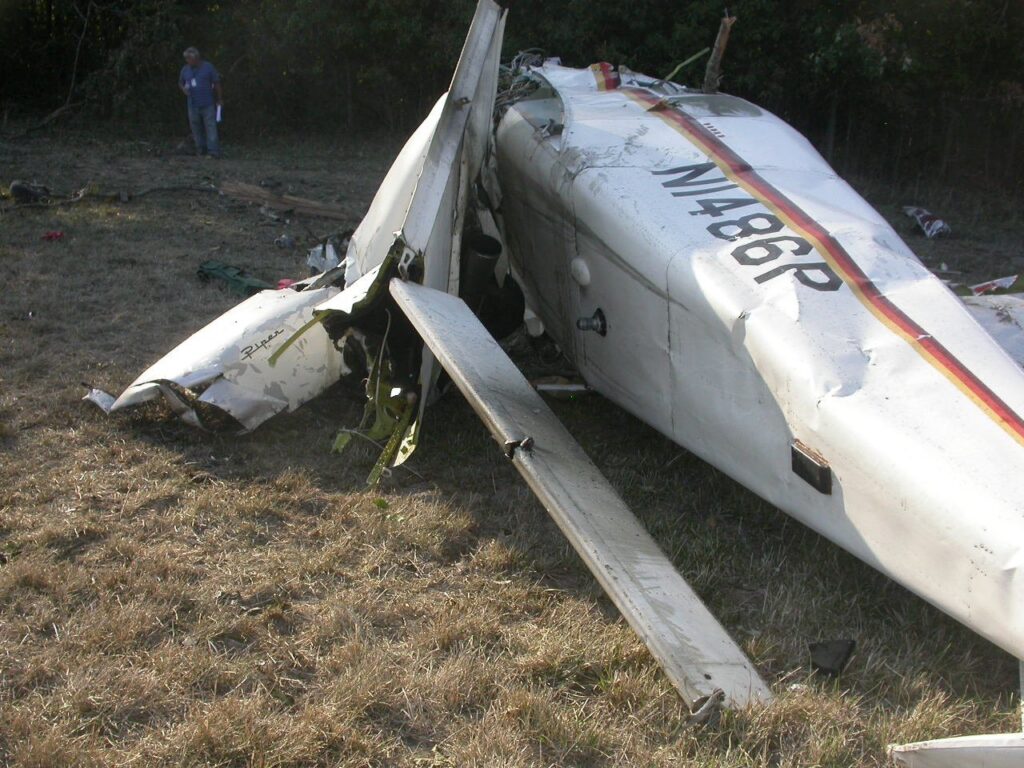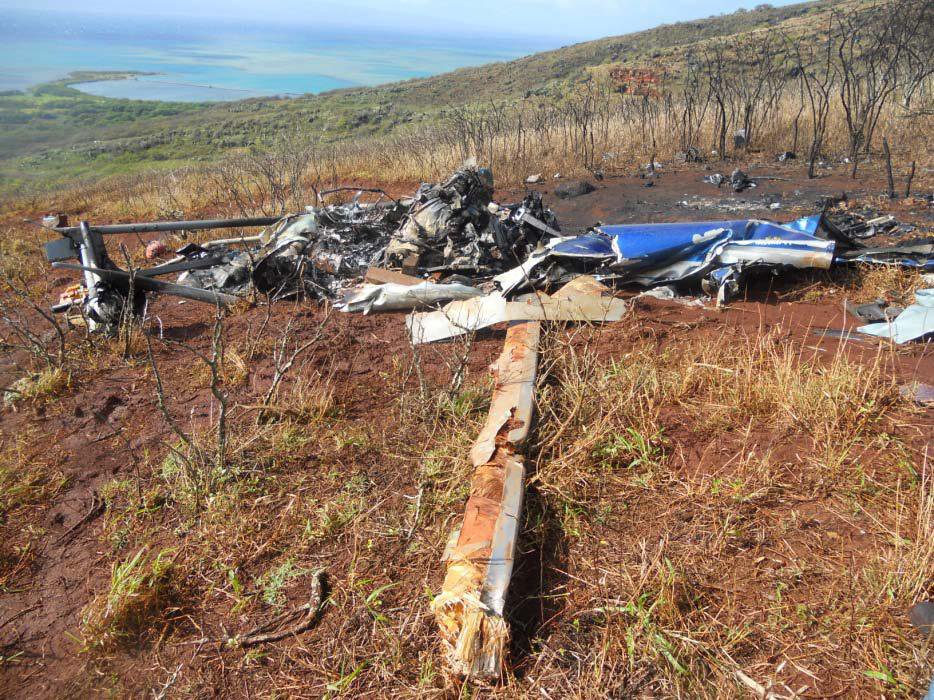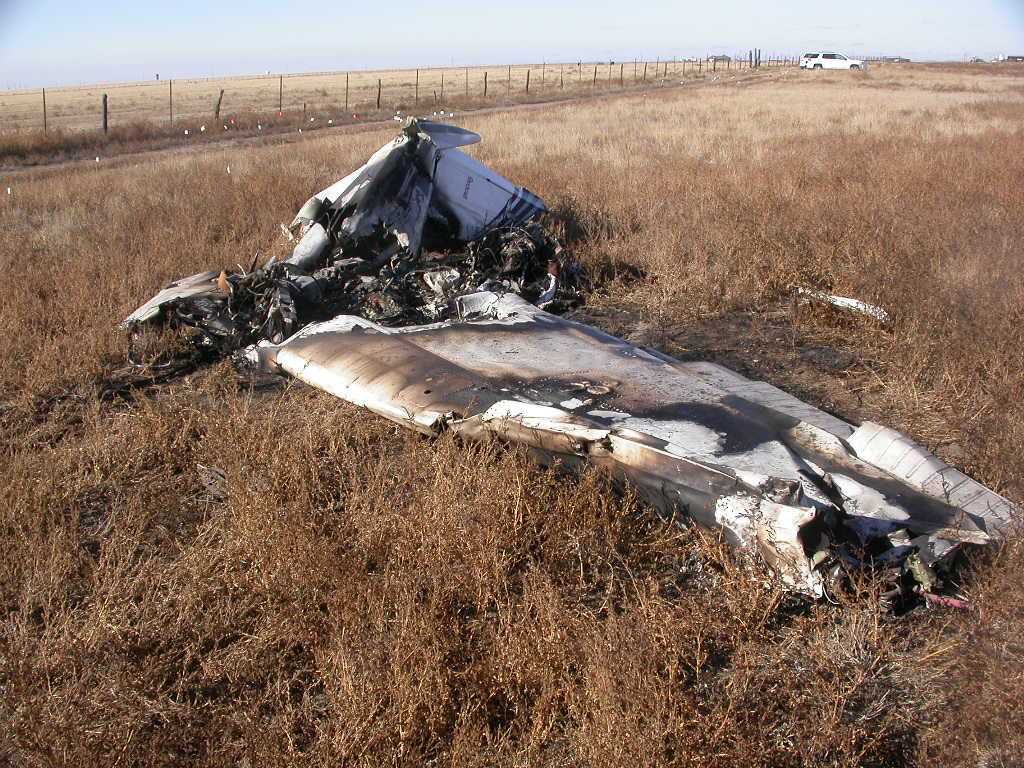
What Happened
On July 10, 2018, a Taquan Air de Havilland DHC-3T Otter, registration N3952B, departed Steamboat Bay Fishing Club on Noyes Island with 10 passengers bound for Ketchikan, Alaska. The airline transport pilot had accumulated about 306 hours in the turbine Otter and over 26,000 total flight hours. All 11 occupants survived the accident, but six passengers sustained serious injuries and four sustained minor injuries.
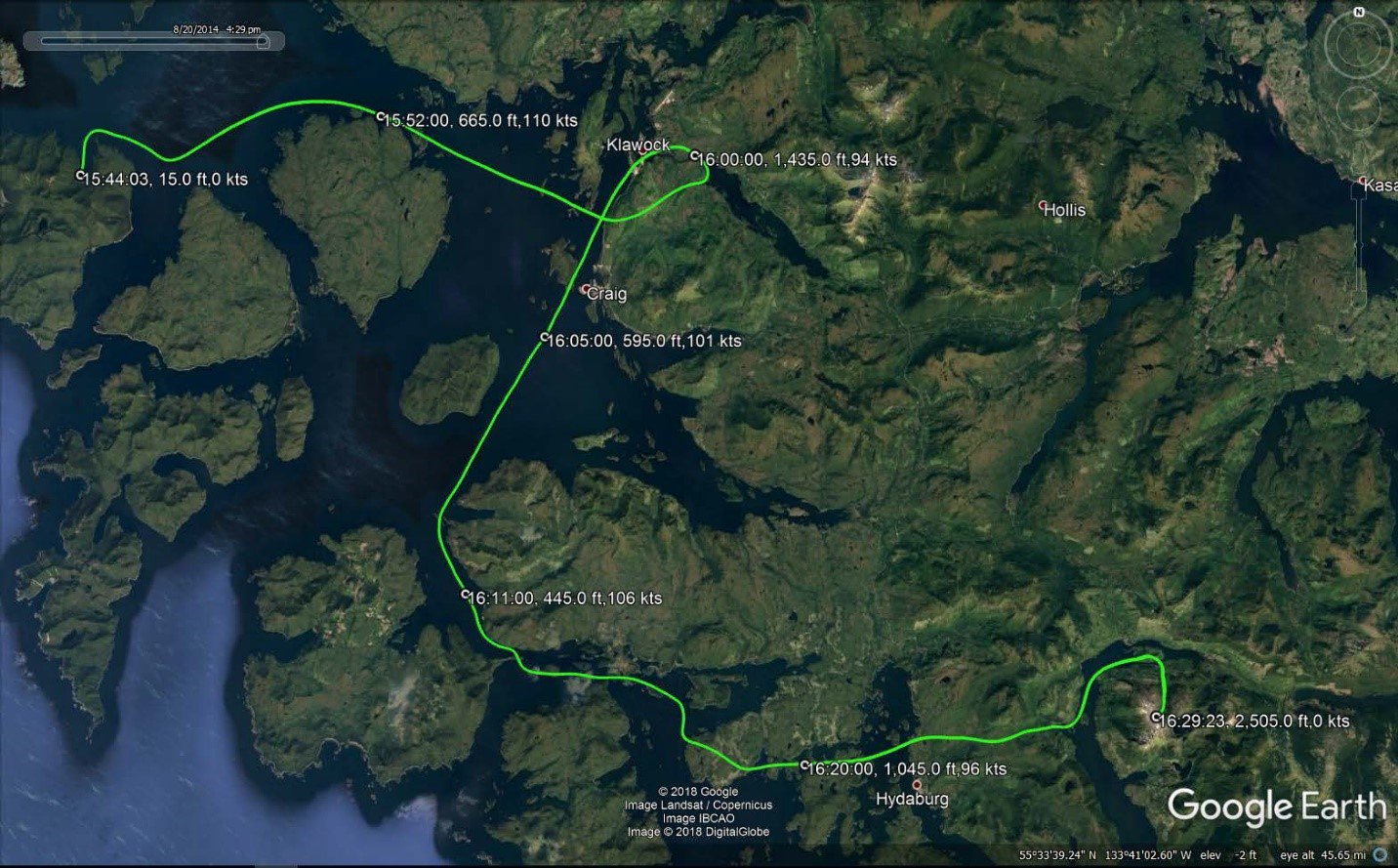
The flight departed at 7:47 AM into marginal visual conditions with rain and low clouds reported in the area. An AIRMET for mountains obscured in clouds and precipitation was active for the route. The Otter initially tracked easterly toward Klawock, then made about a 270-degree turn south along the west coast of Prince of Wales Island before turning east toward an area known as Sulzer Portage.
According to the pilot, while cruising at 1,100 feet mean sea level through Sulzer Portage, visibility decreased rapidly in heavy rain and clouds. He initiated a climbing right turn to reverse course back to VFR conditions. Before completing the 180-degree turn, he saw what he believed to be a body of water and became momentarily disoriented, so he leveled the wings. Shortly after, he realized the airplane was approaching snow-covered mountainous terrain.
The pilot applied full power and initiated a steep climb to avoid the rising terrain. As the climb continued, airspeed decayed and the Otter collided with the rocky face of Jumbo Mountain at 2,557 feet elevation. The floats partially separated during impact, but the fuselage remained largely intact. Passengers described losing all forward visibility at times during the flight as they flew in and out of clouds, with “serious fog” all around. One passenger had texted another asking him to request the pilot land and wait for better weather.
The Coast Guard received notification at 8:43 AM and launched helicopters for search and rescue. The airplane’s emergency locator transmitter activated at 9:11 AM, and passengers were able to communicate their GPS position via cell phone. All 11 survivors were hoisted to safety by 1:08 PM and transported back to Ketchikan.
Investigation Findings
The NTSB found no mechanical malfunctions with the airplane. The engine remained attached and produced normal power signatures based on propeller blade damage. All primary flight controls remained connected with continuity verified from cockpit to control surfaces. The pilot reported the airplane was “running great” with no mechanical issues.
Weather conditions at nearby Hydaburg Seaplane Base at 8:47 AM showed winds from 110 degrees at 13 knots, 5 statute miles visibility in light rain and mist, few clouds at 900 feet, and overcast at 1,700 feet. The area forecast included scattered clouds at 2,500 feet, overcast at 5,000 feet with tops to 14,000 feet, and isolated broken layers with light rain. Conditions were forecast to deteriorate.
The Otter was equipped with a Class B terrain awareness and warning system (TAWS) that could provide both visual and aural terrain alerts. However, investigators found the TAWS inhibit switch in the “inhibit” position after the accident. Company policy was to leave TAWS inhibited during normal operations because the airplane was authorized to cruise as low as 500 feet above ground level under Part 135 regulations, which would trigger constant nuisance alerts from the system designed for higher altitude operations.
The investigation revealed significant organizational deficiencies at Taquan Air. The director of operations lived in Anchorage and served simultaneously as director of operations for another Part 135 carrier, visiting Taquan’s Ketchikan base only once per month. The chief pilot had assumed many of the director’s duties. Company operational control procedures were inadequate and unclear, with different personnel having conflicting understandings of who held authority to make flight dispatch decisions.
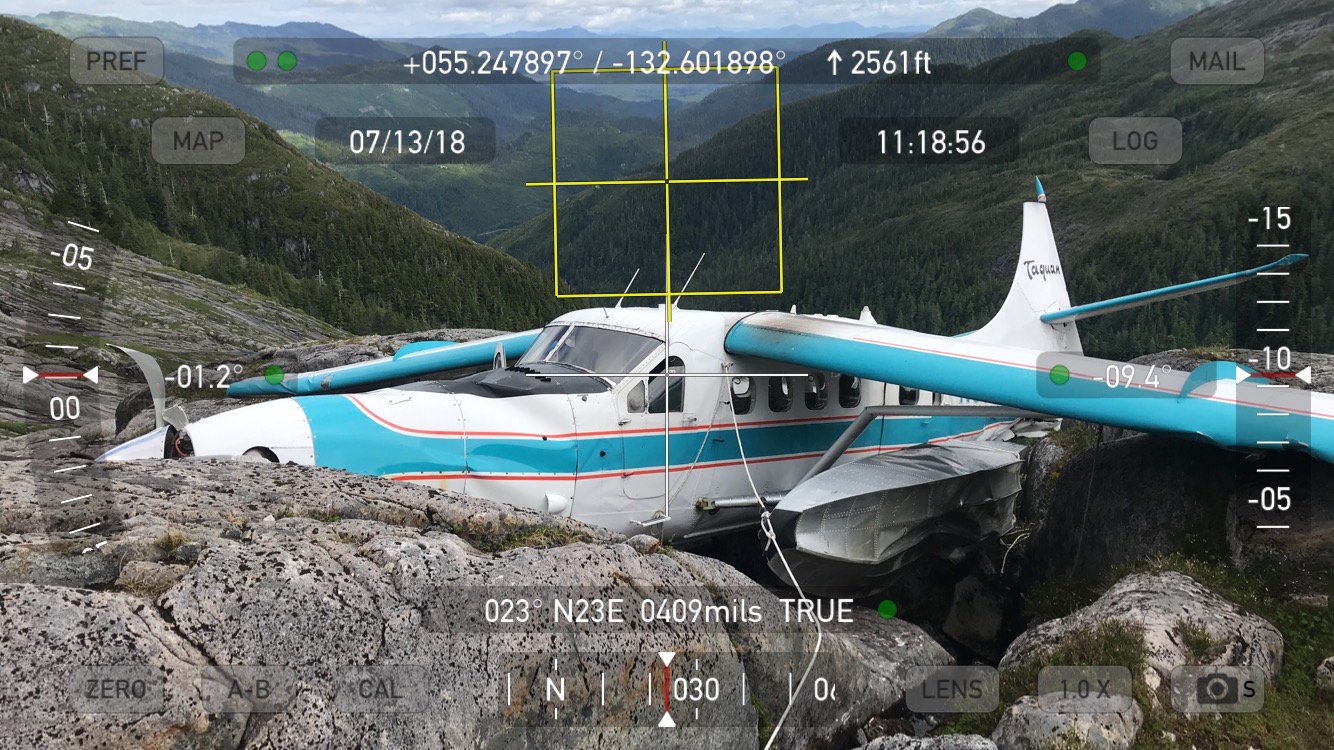
NTSB Probable Cause
The pilot’s decision to continue the visual flight rules flight into instrument meteorological conditions, which resulted in controlled flight into terrain.
Safety Lessons
This accident demonstrates how quickly marginal VFR conditions can deteriorate into instrument conditions in Alaska’s mountainous terrain, and the critical importance of early decision-making before visibility is completely lost.
- Turn around before you can’t see the way back. The pilot attempted to reverse course only after visibility had already decreased rapidly in heavy rain and clouds. Once disoriented in IMC, a 180-degree turn becomes exponentially more challenging and dangerous, especially in mountainous terrain where terrain clearance cannot be assured.
- Consider terrain awareness systems as safety tools, not nuisances. While TAWS alerts can be frequent during low-altitude operations, temporarily enabling the system when encountering deteriorating weather provides crucial terrain awareness. The synthetic vision and terrain display features can be invaluable for maintaining situational awareness in reduced visibility.
- Establish clear operational control procedures. Ambiguous authority structures and absentee management can create environments where safety decisions fall through organizational cracks. Flight coordinators, dispatchers, and pilots must have clearly defined roles in weather-related go/no-go decisions, with backup procedures when key personnel are unavailable.
Frequently Asked Questions
Q: Why was the terrain awareness system turned off during the flight?
A: The TAWS was inhibited per company policy because Part 135 operators in Alaska are authorized to cruise as low as 500 feet above ground level. Class B TAWS systems are designed to alert at 700 feet during cruise, which would cause constant nuisance alerts during normal low-altitude operations over water and terrain.
Q: Could the pilot have safely completed a 180-degree turn in the clouds?
A: While the DHC-3 Otter has basic flight instruments, executing a precise 180-degree turn in IMC requires instrument flying skills and terrain clearance assurance. In mountainous terrain with rapidly rising ground, an instrument turn without positive terrain clearance becomes extremely hazardous, especially if the pilot becomes spatially disoriented.
Q: What is Sulzer Portage and why is it significant?
A: Sulzer Portage is a narrow mountain pass on Prince of Wales Island where weather conditions can change rapidly. Mountain passes are notorious for channeling and accelerating weather systems, creating localized areas of reduced visibility and turbulence that may not be reflected in area forecasts.
Q: How did all occupants survive an impact with a mountain?
A: The Otter’s robust construction and the pilot’s last-second climb attempt likely reduced the impact angle and energy. The airplane remained largely intact despite substantial damage, and the remote location was quickly found due to cell phone GPS coordinates and emergency locator transmitter activation, enabling rapid Coast Guard rescue.
Q: What organizational problems contributed to this accident?
A: The company’s director of operations was simultaneously serving as director for another airline and was based in a different city, visiting only monthly. This created unclear operational control procedures and inadequate oversight of daily flight operations, though the NTSB could not determine if better oversight would have prevented this specific flight.