What Happened
On May 2, 2013, at approximately 1629 eastern daylight time, a 1943 Grumman G-44 amphibious seaplane, registered N8AS, was destroyed after impacting the waters of the Hudson River near Catskill, New York. The certificated airline transport pilot, the sole occupant, was fatally injured. It was a clear afternoon, VMC throughout, and no flight plan had been filed for what records describe as a local personal flight operating under Part 91.
The flight had departed B Flat Farm Airport (3NK8) in Copake, New York, around 1600. About 29 minutes later, roughly 25 witnesses on or near the Hudson River watched the G-44 come into view flying southbound, low over the water. They could hear both engines running. The airplane was moving along the river at low altitude when it began a 180-degree left turn, reversing course and heading northbound. That turn was consistent with the pilot flying a tight traffic pattern in preparation for a water landing.
After rolling out of the turn heading north, the airplane descended and leveled off just above the surface of the river. Then, suddenly, it banked hard to the left. The nose and the left pontoon contacted the water. The airplane nosed over, caught fire, and sank. The debris field settled on the bottom of the Hudson in 20 to 25 feet of water, spread across roughly 250 feet oriented on a 039-degree magnetic heading. The wreckage told investigators which way the airplane had been traveling when it hit.
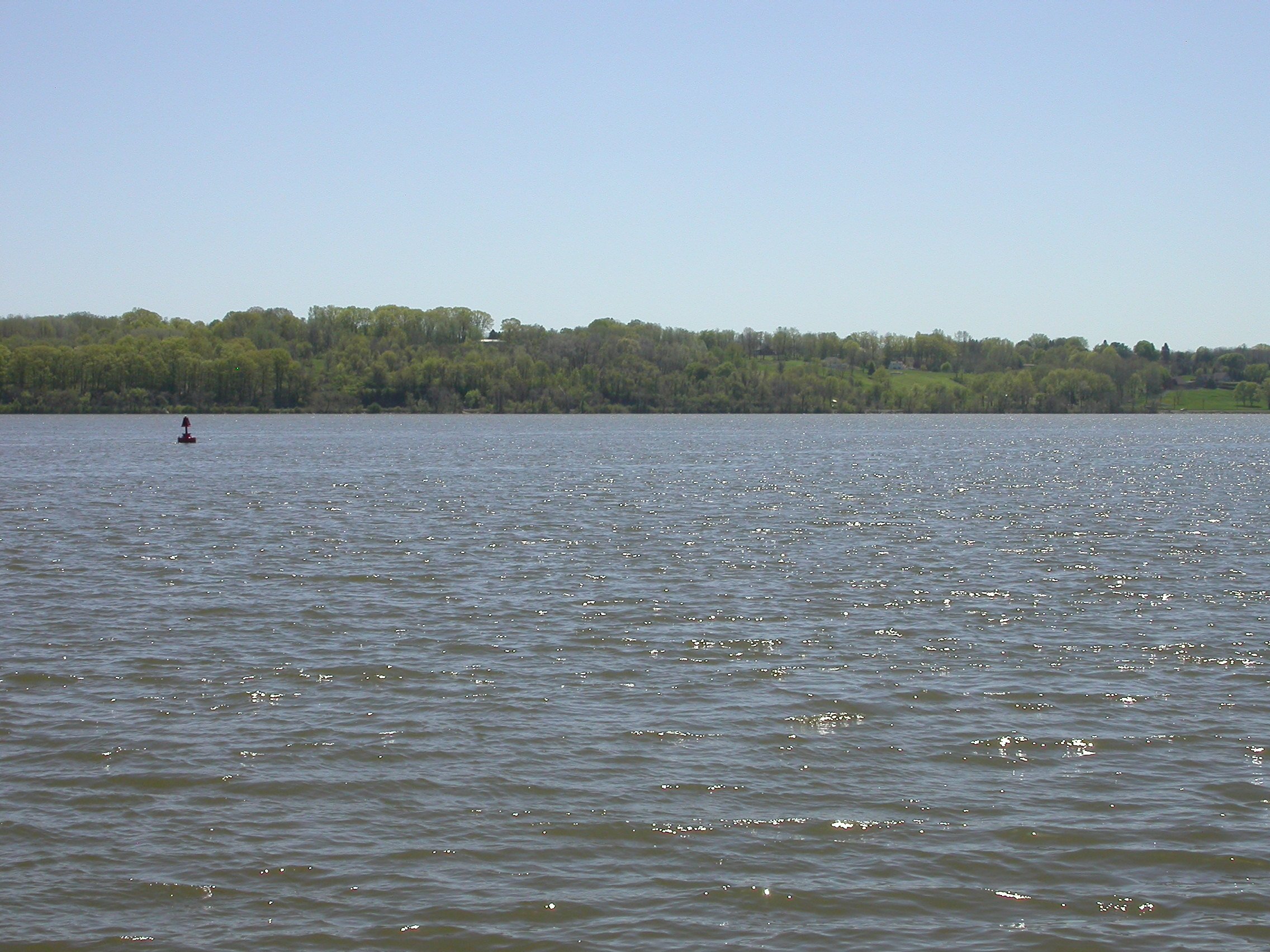
The conditions that afternoon at the accident site were about as calm as a river gets. A light breeze was blowing. The Hudson was at slack tide. Witnesses described the water surface as completely calm. At Albany International Airport, 29 nautical miles to the north, the 1651 weather observation recorded winds of 190 degrees at 3 knots, visibility 10 miles, a few clouds at 9,000 feet, temperature 27 degrees Celsius, and an altimeter setting of 30.29. That combination of light wind, slack tide, and glassy-smooth water set the stage for what came next.
Investigation Findings
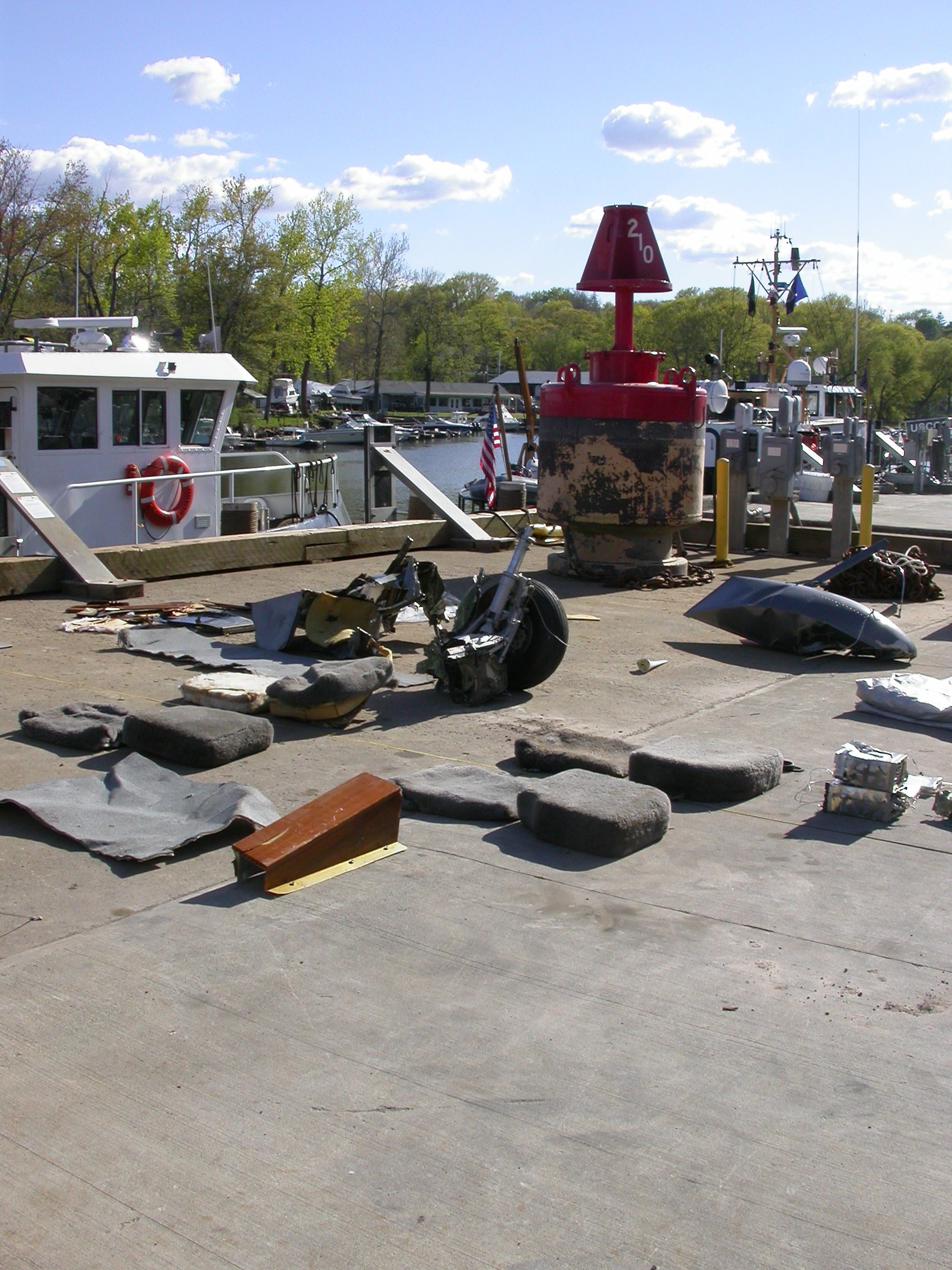
Investigators recovered the wreckage from the bottom of the Hudson using side-scan sonar to locate the debris field before conducting the actual salvage operation. Once the airplane was on the surface, the examination told a clear story. The gear handle was in the up position. The flaps were extended. The fuel caps were closed, both fuel valve levers were in the ON position, and all electrical switches were in the positions you’d expect for a powered flight. The airplane had been properly configured for a water landing, right down to the gear being up so the hull and floats would contact the water and not the wheels.
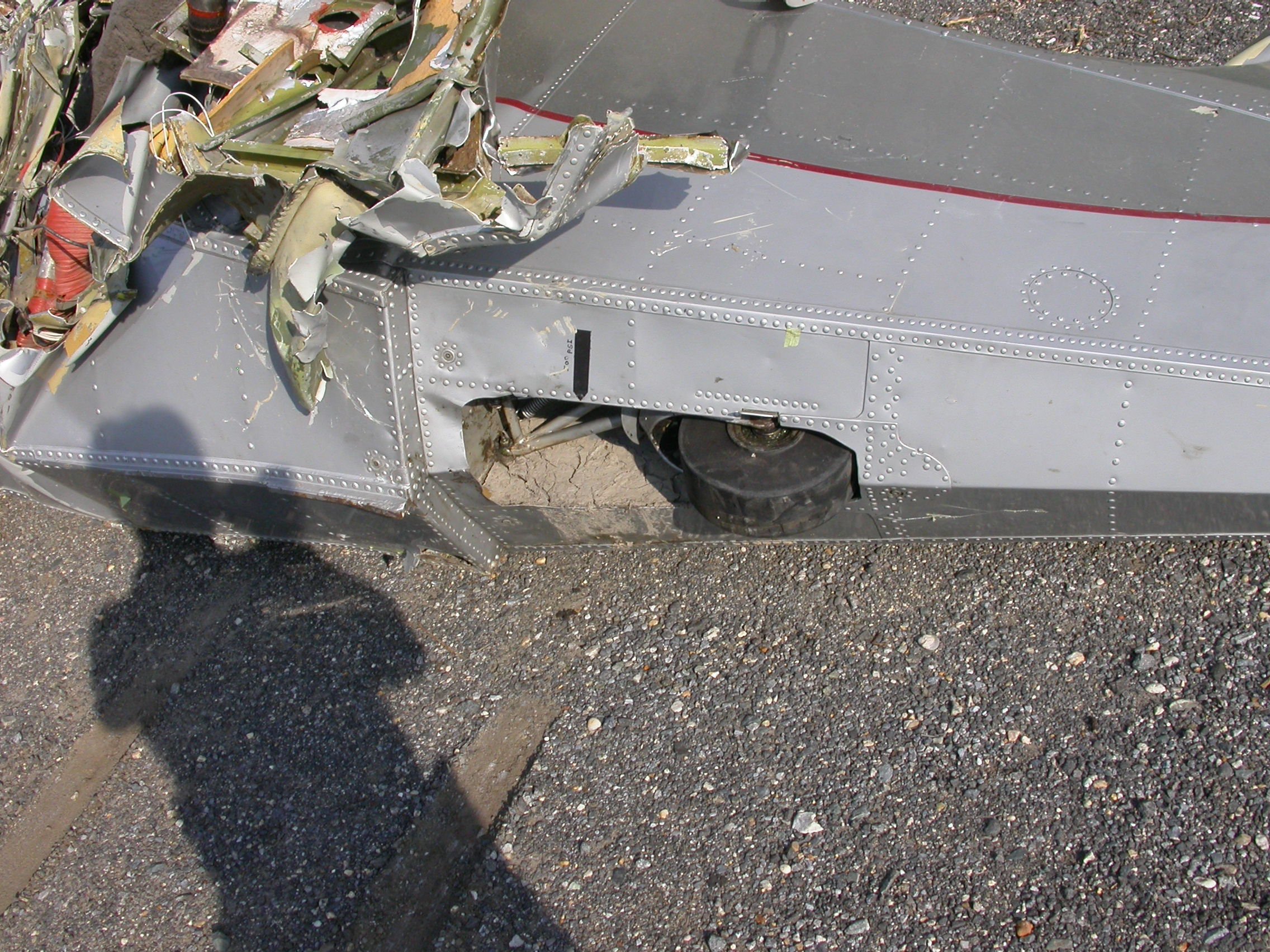
The damage pattern matched what witnesses described. The airplane hit nose-first, then the left float, in a left-wing-low, nose-down attitude. Wreckage examination confirmed the breakup happened during the impact sequence, not before it. Flight control continuity was established from the ailerons, rudder, and elevator all the way back to the control column and rudder pedals, with the breaks in the system showing tensile overload consistent with impact forces. Both engines were examined in detail. The left engine’s propeller and governor had separated and were not recovered. The right engine’s propeller told a more complete story: one blade was twisted and bent aft roughly 90 degrees at mid-span, a second was twisted and curved slightly forward, and the third was bent aft 45 degrees with heavier twisting toward the face of the blade and curling at the tip. That propeller signature is consistent with the blades being under significant power load at the moment of impact, not windmilling or stopped.
The toxicological report found diclofenac, a nonsteroidal anti-inflammatory, rosuvastatin, a statin used to manage cholesterol, and valsartan, an angiotensin receptor blocker used to treat high blood pressure. Both the diclofenac and valsartan had been previously reported to the pilot’s aviation medical examiner. His most recent third-class medical had been issued in February 2012 with a correction-for-distant-vision limitation and a statement of demonstrated ability for defective color vision. He held an airline transport certificate with multi-engine land and sea ratings, commercial privileges for single-engine land and sea, and a type rating for the G-73. Total logged flight time was approximately 5,735 hours, of which approximately 411 were in the G-44 make and model. There was no evidence of any preimpact mechanical failure or malfunction in the airframe or either engine.
NTSB Probable Cause
The pilot’s misjudgment of the airplane’s altitude above the water and early flare for a landing on water with a glassy condition, which led to the airplane exceeding its critical angle-of-attack and experiencing an aerodynamic stall.
Safety Lessons
Glassy water is one of the oldest traps in seaplane flying, and it catches experienced pilots. The G-44’s left seat that afternoon held someone with 5,735 total hours and 411 hours in that specific make and model. The airplane was configured correctly. Both engines were producing power. And still the outcome was fatal. The mechanism was perceptual, not mechanical.
- Glassy water demands a power-on, no-flare technique. The FAA Seaplane, Skiplane, and Float Equipped Helicopter Operations Handbook is explicit about this. When the water surface has no distinguishable features, do not fly a normal approach and flare. Instead, establish a stable descent at no more than 150 feet per minute at roughly 10 knots above stall speed, and let the airplane fly onto the water in the landing attitude. Do not flare. The glassy surface removes the visual cues that make a normal flare possible, and flaring without those cues is the same as flaring with no outside reference. The result, as it was here, is a stall from an altitude the pilot didn’t know he had reached.
- Use shoreline features or approach over land when the water surface is featureless. The handbook advises landing near the shoreline precisely because shore features give the pilot a vertical reference that the featureless water cannot. Crossing the shoreline at the lowest safe altitude and maintaining that visual contact down to within a few feet of the water surface is one of the most effective ways to compensate for the loss of depth perception that glassy water creates. The Hudson River near Catskill is wide, which makes the open-water approach more tempting and more dangerous.
- Recognize glassy conditions before entering the pattern, not during the flare. The moment the pilot leveled off above the water and prepared to flare, it was already too late to reconfigure his approach technique. Glassy water recognition belongs in the pre-landing assessment, back when there’s still altitude, speed, and time to establish the correct power-on, no-flare setup. The FAA handbook states it plainly: recognize the need for the glassy water technique in ample time to set up the proper final approach. If the conditions suggest any chance of glassy water, treat it as glassy water from the start of the pattern.
Frequently Asked Questions
Q: What is glassy water and why is it dangerous for seaplane landings?
A: Glassy water occurs when the water surface is completely calm and featureless, giving it a mirror-like appearance. Without surface texture, ripples, or reflections that reveal depth, a pilot’s ability to judge height above the water is severely compromised. The FAA handbook notes that even experienced seaplane pilots can misjudge altitude significantly in these conditions, leading to flaring too high and stalling, or flying directly into the water without any flare at all.
Q: What is the correct landing technique for glassy water in a seaplane?
A: The FAA-recommended glassy water technique calls for a power-on, no-flare approach. The pilot establishes a stable descent in the landing attitude at no more than 150 feet per minute and approximately 10 knots above stall speed, then maintains that attitude and descent rate until the airplane contacts the water. The pilot does not flare. The goal is to fly the seaplane onto the water rather than pulling up and waiting for it to settle. Using shoreline features as a visual reference, or conducting the final approach over land before crossing the shoreline at low altitude, also helps maintain height awareness.
Q: What was the Grumman G-44 Widgeon, and is it still flying today?
A: The Grumman G-44 Widgeon is a twin-engine, high-wing amphibious flying boat originally manufactured in the early 1940s. It was designed for utility and personal use, with retractable landing gear allowing operation from both land airports and water. A small number remain airworthy today, maintained as vintage aircraft. The type requires significant expertise to operate safely, particularly in challenging water conditions.
Q: Did the Grumman G-44’s engines fail before it hit the water?
A: No. The NTSB found no evidence of any preimpact mechanical failure or malfunction in either engine. Propeller damage on the right engine was consistent with the blades being under power load at the moment of impact, and multiple witnesses reported hearing the engines running prior to the accident. The investigation concluded the airplane was mechanically airworthy throughout the flight.
Q: How much seaplane experience did the pilot have?
A: The pilot held an airline transport certificate with airplane multi-engine sea and single-engine sea ratings, along with a type rating for the G-73 Mallard, a larger Grumman flying boat. He had logged approximately 5,735 total flight hours, with roughly 411 hours in the G-44 specifically. His level of experience was substantial, which underscores how effectively glassy water conditions can degrade even an experienced pilot’s perceptual judgment.