What Happened
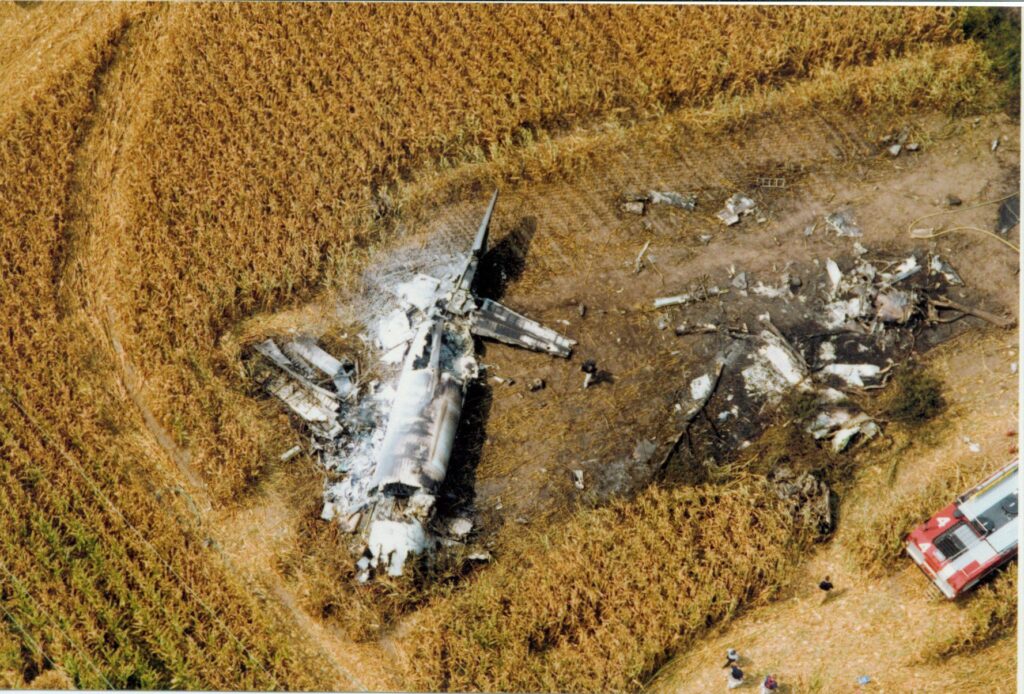
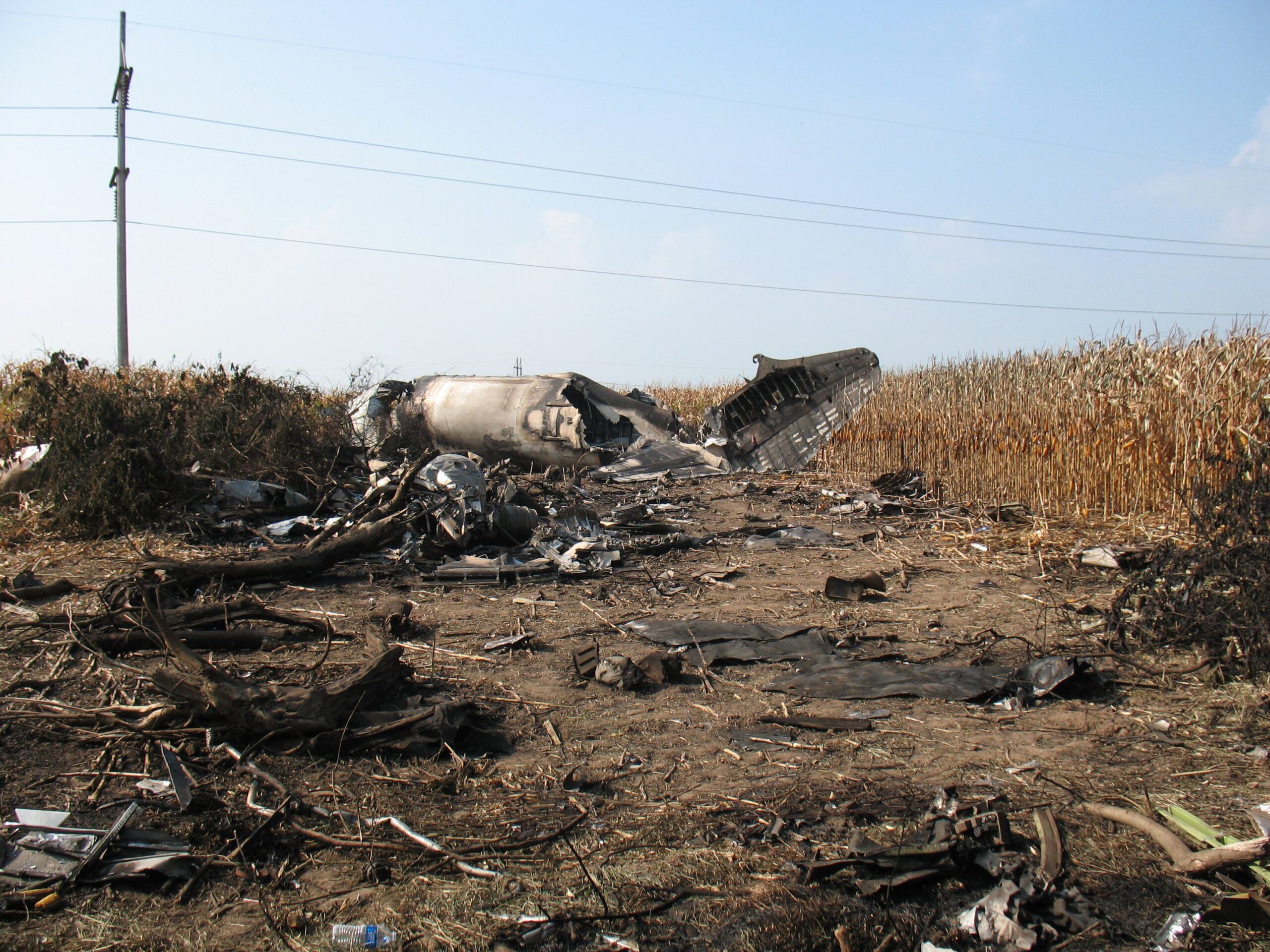
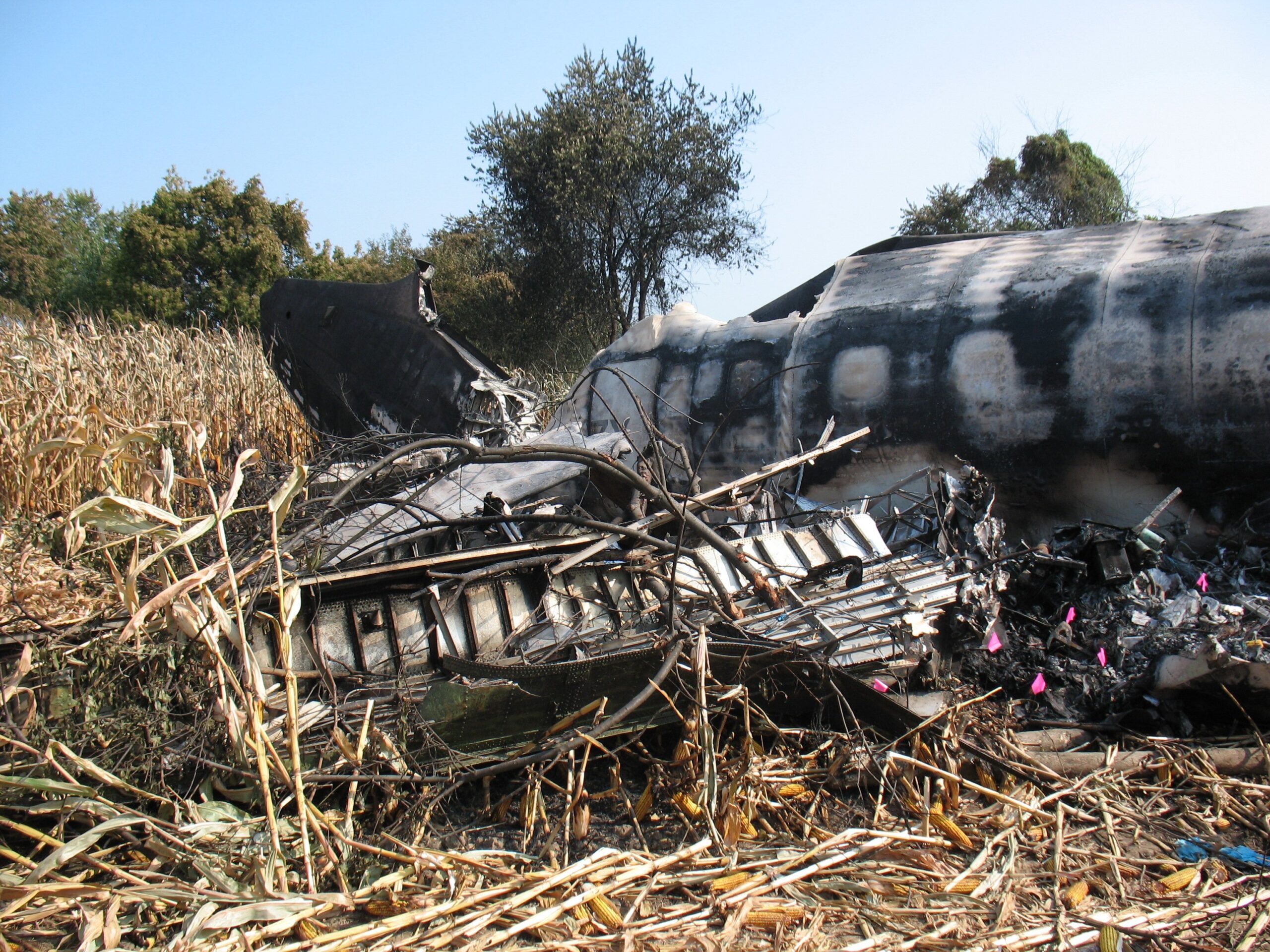
On September 1, 2008, around 12:06 PM, a Convair CV-580 cargo aircraft, N587X, operated by Air Tahoma Inc., crashed into a cornfield near Rickenbacker International Airport in Columbus, Ohio, killing all three occupants—the captain, first officer, and an observer pilot. The flight had just departed runway 5L on what was supposed to be a routine post-maintenance check flight to Mansfield Lahm Regional Airport.
The accident flight was the first time N587X had flown since completing a major Phase 1 and Phase 2 maintenance inspection on August 18, 2008—nearly two weeks earlier. The maintenance work had been extensive: both elevators and the rudder were removed and replaced, the right horizontal stabilizer was taken off and reinstalled, and all empennage flight control cables were disconnected, reconnected, and rigged. The captain, an experienced airline transport pilot with 16,087 total hours and recent designation as a CV-580 check airman, was conducting the flight as both a post-maintenance check and training for the first officer and observer.
The flight received its IFR clearance at 11:39 AM and was cleared to taxi at 11:47. Everything appeared normal during the extensive preflight preparations, which the cockpit voice recorder captured in detail as the crew went through their checklists. The captain used the opportunity to point out cockpit instruments and switches to the two pilots in training. At 12:00, the tower cleared them for takeoff, and the aircraft began its takeoff roll at 12:03:18.
But within seconds of rotation, something went catastrophically wrong. At 12:03:52, the first officer called “rotate.” Immediately after, the captain exclaimed “ohh yeah,” followed by an expletive and the sound of trim wheel motion recorded by the cockpit area microphone. Then began a desperate two-and-a-half-minute struggle for control. “Pull pull pull,” the captain commanded repeatedly—27 times between rotation and impact. The observer offered to help, asking “Come back on the trim?” at 12:04:39. The captain’s response revealed the horrifying reality: “There’s nothing anymore on the trim.”
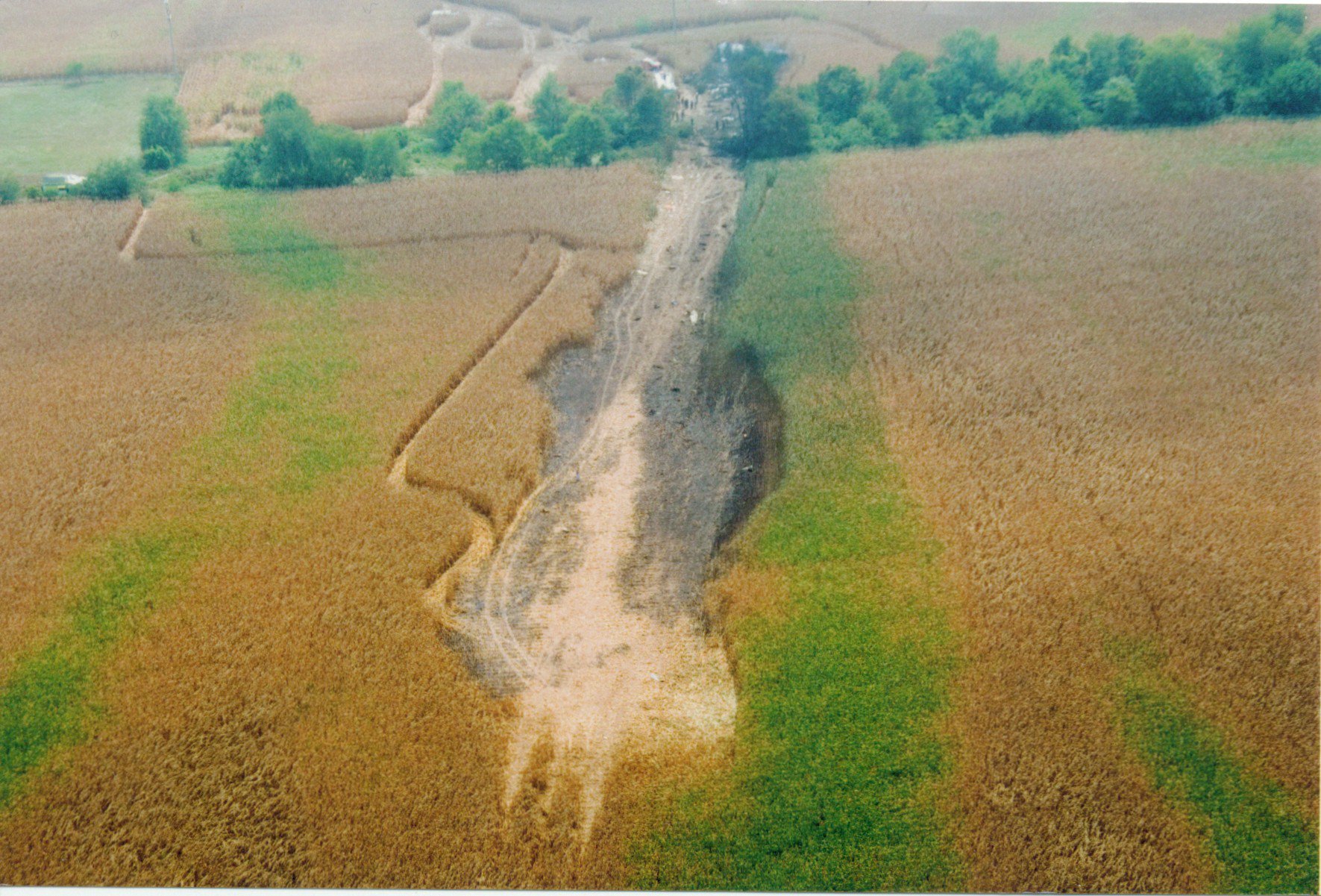
During the entire emergency, the crew never retracted the landing gear, never reduced power from takeoff settings, and never retracted the flaps. All their focus was on one desperate task: trying to keep the nose up against an airplane that wanted to pitch down no matter what they did. The sounds of heavy breathing and grunting filled the cockpit as all three pilots fought the controls. At 12:05:23, the observer said “I got it I’m pulling,” joining the fight. The captain’s final transmission was a scream before the aircraft impacted the cornfield at 12:05:58, just one mile southwest of the runway they’d been trying to reach.
Investigation Findings
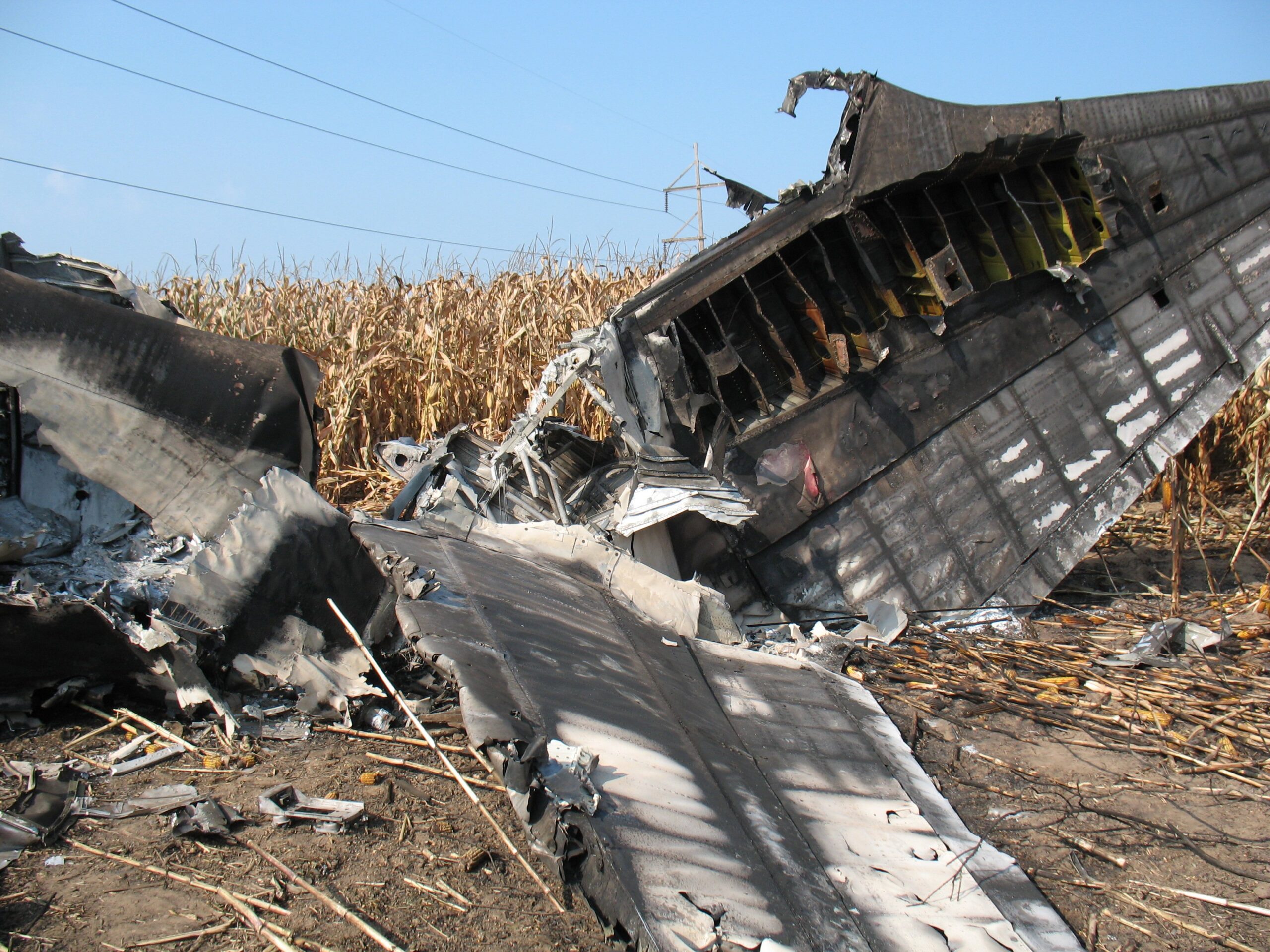
The post-crash investigation revealed a maintenance error so fundamental it’s almost unimaginable: the elevator trim cables had been installed backwards. When the pilots moved the trim wheel to apply nose-up trim, the system actually commanded nose-down trim. Every instinctive correction made the problem worse.
The reversed cables were found during the wreckage examination. According to the Allison Maintenance Manual, the elevator trim inboard cable at fuselage station 798 should exit through the upper fairlead hole at fuselage station 850 to connect to the top of the elevator trim jack drum. Instead, investigators found this cable routed through the lower fairlead hole to the bottom of the drum—a complete reversal of the correct configuration.
The maintenance documentation told a story of procedural failures. During the Phase 1 and Phase 2 inspection completed on August 18, numerous Required Inspection Item (RII) blocks went unsigned by qualified inspectors. Most critically, the RII inspector never signed off on item 59b, which specifically required: “Connect elevator servo trim tab cables and rig in accordance with Allison Convair M/M, section 8, figure 8.2.108 and 8.2.108A.” The mechanic had signed the item, but without the required inspector verification. A bold-type note on the maintenance card emphasized: “A complete inspection of all elevator controls must be accomplished and signed off by an RII qualified inspector and a logbook entry made to this effect.” This critical inspection never happened.
The investigation also revealed training and procedural issues beyond the maintenance error. The first officer and observer had only been hired five days before the accident on August 27. Both were still in their initial new-hire training program, having completed just 28.5 of the required 63 hours of aircraft systems training. According to Air Tahoma’s FAA-approved training manual, “Personnel in training will only be advanced to a higher level after all lower levels have been satisfactorily completed.” Yet here they were on an operational flight before completing their basic training requirements.
NTSB Probable Cause
The improper (reverse) rigging of the elevator trim cables by company maintenance personnel, and their subsequent failure to discover the misrigging during required post-maintenance checks. Contributing to the accident was the captain’s inadequate post-maintenance preflight check and the flight crew’s improper response to the trim problem.
Safety Lessons
This accident demonstrates how a single maintenance error can create an unrecoverable situation, but it also reveals multiple safety barriers that failed to catch the mistake before it became fatal.
- Required Inspection Items exist for a reason. The unsigned RII inspection for the elevator trim rigging wasn’t just paperwork—it was the safety net designed to catch exactly this type of error. When that inspection box goes unsigned, maintenance is incomplete regardless of what the logbook says. No airplane should return to service until every required inspection is properly documented.
- Post-maintenance flights require heightened vigilance. The captain knew extensive flight control work had been performed but didn’t conduct the type of thorough preflight inspection such maintenance demands. When control cables have been disconnected and reconnected, physically tracing those cables and verifying their routing isn’t excessive—it’s essential. The few minutes spent on a comprehensive control check could have revealed the reversed trim before takeoff.
- Recognize when troubleshooting becomes dangerous. Once the crew realized the trim wasn’t working normally, continuing to make trim inputs while trying to diagnose the problem made their situation worse. In a low-altitude emergency with reversed controls, the safest response is to stop making the inputs that aren’t working and focus on basic aircraft control using primary flight controls only. The captain’s repeated “pull” commands suggest tunnel vision on the trim problem rather than adapting to fly the airplane without it.
Frequently Asked Questions
Q: How could maintenance personnel reverse something as critical as elevator trim cables?
A: The Convair CV-580’s elevator trim system uses cables routed through specific fairlead holes to connect to the trim jack drum. The cables must exit through the upper fairlead hole to reach the top of the drum for proper operation. When reinstalling the system after the horizontal stabilizer removal, the mechanic routed the cable through the lower hole instead, creating a reverse connection. Without the required inspection, this error went undetected.
Q: Why didn’t the pilots just stop using the trim and fly the airplane manually?
A: The cockpit voice recorder shows the captain repeatedly tried to use nose-up trim inputs, which actually made the nose-down tendency worse. At low altitude immediately after takeoff, with high power settings and the gear still down, the CV-580 would have required significant back pressure to maintain level flight. The reversed trim was actively fighting their control inputs, and the crew became focused on troubleshooting rather than simply abandoning the trim system and flying on primary controls alone.
Q: What should pilots look for during post-maintenance preflight inspections?
A: When flight controls have been worked on, pilots should physically trace control cable routing where visible, check for proper control surface movement and feel, and verify trim operation during taxi if possible. The maintenance briefing should detail exactly what was done, and pilots should ask specific questions about any control system work. If extensive control rigging was performed, some operators require a maintenance test pilot to conduct the first flight.
Q: Could this type of maintenance error happen with modern aircraft?
A: While newer aircraft often have different flight control architectures, any airplane with cable-actuated controls faces similar risks during maintenance. The key protection is the inspection process—qualified inspectors must verify control rigging before aircraft return to service. Some operators now use digital photos or video to document cable routing during disassembly to ensure correct reassembly.
Q: Why were pilots still in training conducting an operational flight?
A: The NTSB noted that both the first officer and observer had completed only 28.5 of 63 required training hours and hadn’t finished basic aircraft systems training. While the flight was conducted for training purposes with an experienced check airman, Air Tahoma’s own manual stated personnel should complete lower training levels before advancing. This suggests a deviation from their established training progression policy.