What Happened
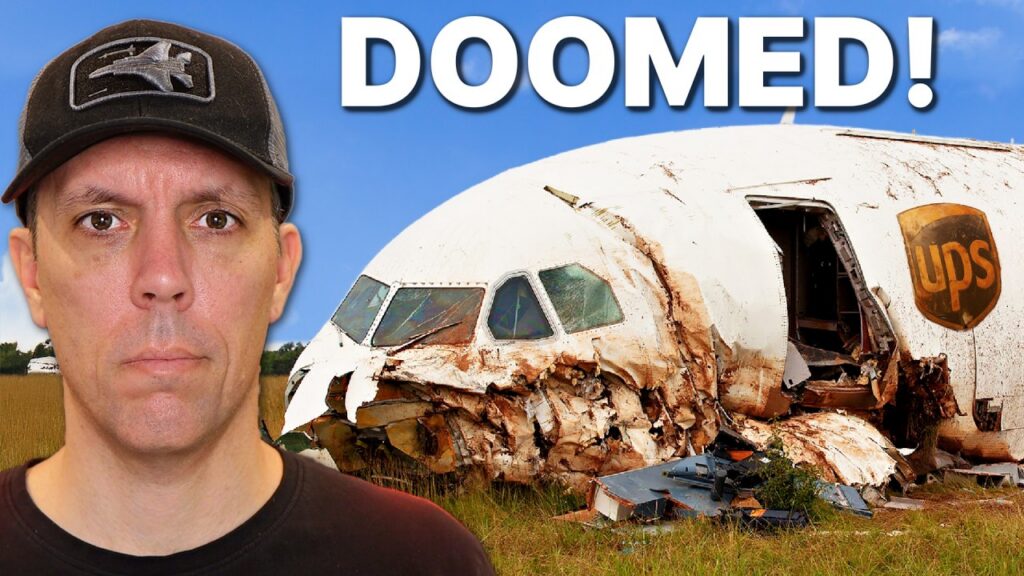
On August 14, 2013, about 4:47 a.m. central daylight time, UPS Flight 1354, Airbus A300-600 N155UP, crashed short of runway 18 at Birmingham-Shuttlesworth International Airport, Alabama. The captain and first officer were killed. Impact forces and a postcrash fire destroyed the airplane.
The cargo flight had departed Louisville, Kentucky, at about 5:03 a.m. eastern daylight time. Louisville and Birmingham were in different time zones, so those local departure and accident times should not be read as though they used the same clock. The flight operated under Part 121 on an instrument flight plan.
At Birmingham, the crew flew a localizer nonprecision approach to runway 18. The airport had dark-night visual flight rules conditions, but conditions north of the airport, along the approach path, included variable ceilings and instrument meteorological conditions.
The crew expected to emerge from the clouds at 1,000 feet above the ground. The NTSB later attributed that expectation to incomplete weather information. The weather reported at the field did not fully describe the air through which the airplane had to descend before reaching it.
During the approach, the intended vertical profile was not captured. The captain did not communicate his intentions to the first officer after that became apparent. The crew continued an unstabilized approach, did not maintain adequate altitude monitoring, and descended below the minimum approach altitude into terrain.
Investigation Findings
The NTSB identified continued flight on an unstabilized approach and failed altitude monitoring as the probable cause. Its contributing factors explained how the flight lost the barriers that should have prevented that descent.
The crew had not properly configured and verified the flight management computer for the profile approach. That failure left a gap between the approach the pilots intended to fly and the vertical guidance the airplane actually followed. When the profile was not captured, the captain’s failure to communicate his intentions added a coordination problem to the automation problem.
The first officer did not make the required minimums callouts. Those calls had a specific purpose in the crew’s procedures: they supported shared awareness of the approach limits. Without them, the altitude-monitoring failure had one fewer opportunity to be recognized and corrected.
The Board’s treatment of fatigue was specific. It found that the captain’s performance deficiencies were likely associated with factors including fatigue, distraction, or confusion, and were consistent with deficiencies seen during training. It did not attribute every captain action to fatigue alone.
For the first officer, the NTSB identified fatigue from acute sleep loss associated with ineffective off-duty time management and circadian factors. The report therefore connected fatigue to a documented performance problem, while preserving different levels of certainty for the two pilots.
The weather expectation added another vulnerability. Expecting to break out at a particular height did not establish that the airplane would do so. Meanwhile, the approach limits and the need to monitor actual altitude remained. In this accident, the intended vertical profile, expected cloud base, and crew coordination did not provide the protection the pilots needed.
NTSB Probable Cause
the flight crew’s continuation of an unstabilized approach and their failure to monitor the aircraft’s altitude during the approach, which led to an inadvertent descent below the minimum approach altitude and subsequently into terrain. Contributing to the accident were (1) the flight crew’s failure to properly configure and verify the flight management computer for the profile approach; (2) the captain’s failure to communicate his intentions to the first officer once it became apparent the vertical profile was not captured; (3) the flight crew’s expectation that they would break out of the clouds at 1,000 feet above ground level due to incomplete weather information; (4) the first officer’s failure to make the required minimums callouts; (5) the captain’s performance deficiencies likely due to factors including, but not limited to, fatigue, distraction, or confusion, consistent with performance deficiencies exhibited during training; and (6) the first officer’s fatigue due to acute sleep loss resulting from her ineffective off-duty time management and circadian factors.
Safety Lessons
The following takeaways apply the investigation findings to flight planning and cockpit decisions.
- Verify the guidance that is actually active. Configuration and cross-checks need to establish what the flight management system will command. If expected vertical guidance does not engage, communicate the revised plan and follow the aircraft and operator procedures instead of assuming the intended path is being flown.
- Protect altitude monitoring and minimums calls. A changing approach plan increases the need for a clear division of duties. Brief who flies, who monitors altitude, and the applicable criteria for abandoning an unstabilized approach.
- Plan for the actual conditions and the actual crew. Treat cloud-base expectations as uncertain and fatigue as a planning consideration. Neither favorable airport weather nor an anticipated breakout replaces the published approach limits or the operator fitness-for-duty process.
Watch the Full Analysis
Frequently Asked Questions
Q: What caused UPS Flight 1354 to crash?
A: The NTSB found that the crew continued an unstabilized approach and failed to monitor altitude, allowing the A300 to descend below minimum approach altitude and strike terrain.
Q: Where did UPS Flight 1354 crash?
A: It crashed short of runway 18 at Birmingham-Shuttlesworth International Airport in Alabama on August 14, 2013.
Q: Was fatigue a factor in UPS Flight 1354?
A: Yes. The NTSB identified first-officer fatigue and cited fatigue among the possible factors associated with the captain performance deficiencies, along with distraction or confusion.
Sources and References