
What Happened
The Cessna U206F, N82531, lifted off from Gratiot Community Airport in Alma, Michigan, at 8:50 AM on July 23, 2010, bound for Rochester, Minnesota. The 66-year-old pilot was flying a patient to the Mayo Clinic for medical treatment, carrying the patient and his wife in the aft seats, the patient’s doctor in the middle row, and a 70-year-old pilot-rated passenger as copilot. The pilot had filled the tanks to capacity the night before, and all five people aboard donned life vests that the copilot had brought from his own airplane.
Climbing to 10,000 feet over Lake Michigan, the pilot leaned the mixture to about 14 gallons per hour as they faced a direct 40-knot headwind. All engine readings showed normal as they crossed the shoreline near Ludington. But about 24 miles out over the lake, roughly at the midpoint of the crossing, the Continental IO-520 engine began to misfire and lose power. The fuel flow dropped from 14 to 11 gallons per hour.
The pilot pushed the mixture control to full rich, but the engine continued losing power. At 10:05 AM, he radioed Minneapolis Center and declared he was losing power, reversing course toward the Michigan shore. The fuel flow kept dropping to 8 gallons per hour. He switched fuel tanks and worked the mixture control, then tried priming the engine. Nothing helped. When he turned on the high boost pump, he got about 30 to 45 seconds of power, then the engine failed completely.
Now they were descending through clouds with the shoreline still 12 miles away. At 2,300 feet and still in the overcast, the pilot knew they wouldn’t make land. The surface weather at Ludington showed clouds at 1,800 feet, so they had maybe a few minutes after breaking out. He had everyone don and inflate their life vests, unlatched his door and the front cargo door, but kept the flaps up so the cargo doors could open after impact. When he ditched the airplane, either the tail or landing gear caught a swell as he tried to pull up over it. The U206F pitched forward, flipped inverted, and began sinking rapidly. The pilot got out but watched the airplane disappear with four people still inside. A fishing boat rescued him 38 minutes later, but the others were gone.
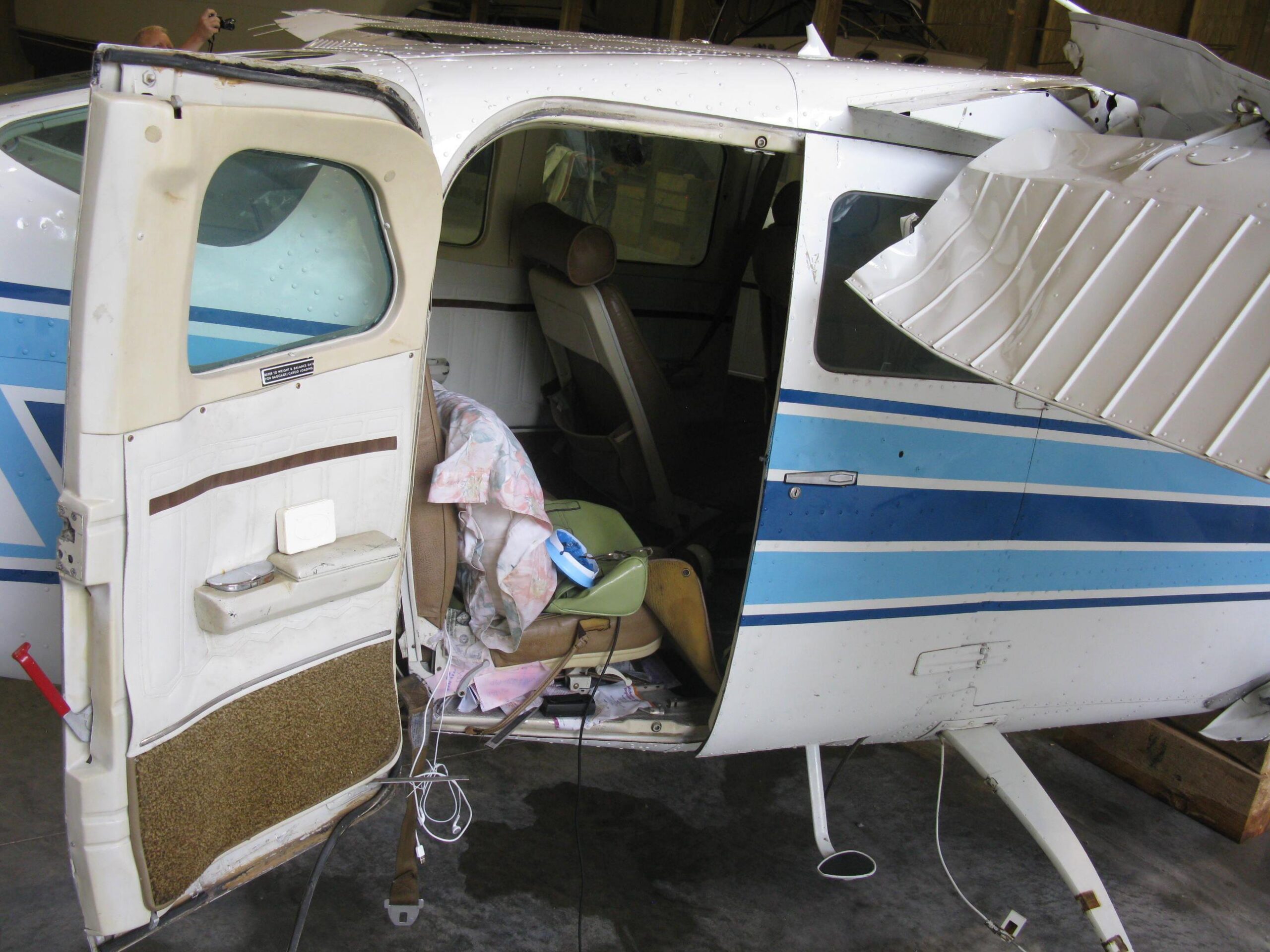
Hoover’s note: to clarify, the exact quote from the report said “The pilot reported that he did not lower the flaps since the cargo doors would not open if the flaps were extended”. Many 206 owners have explained that it’s possible to open the doors with the flaps extended but it might be tricky for a passenger if they’ve never done it before. Additionally, the photo below shows the flaps down, but this was not the configuration seen in the wreckage photo (the one with the aircraft under water).
Investigation Findings
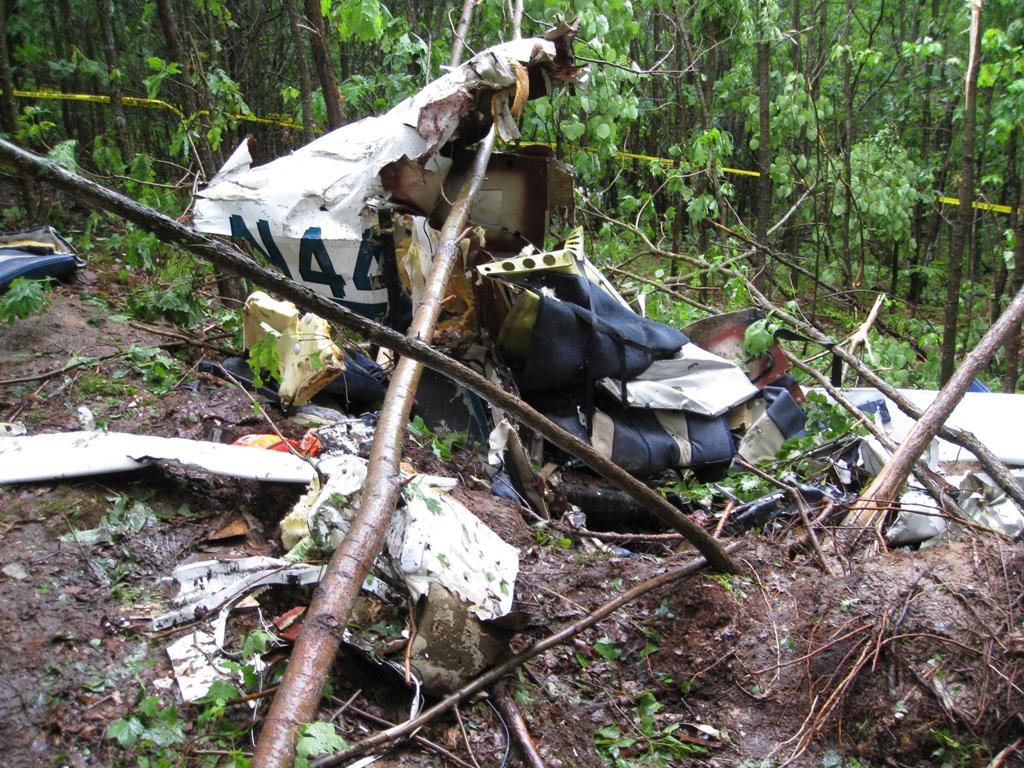
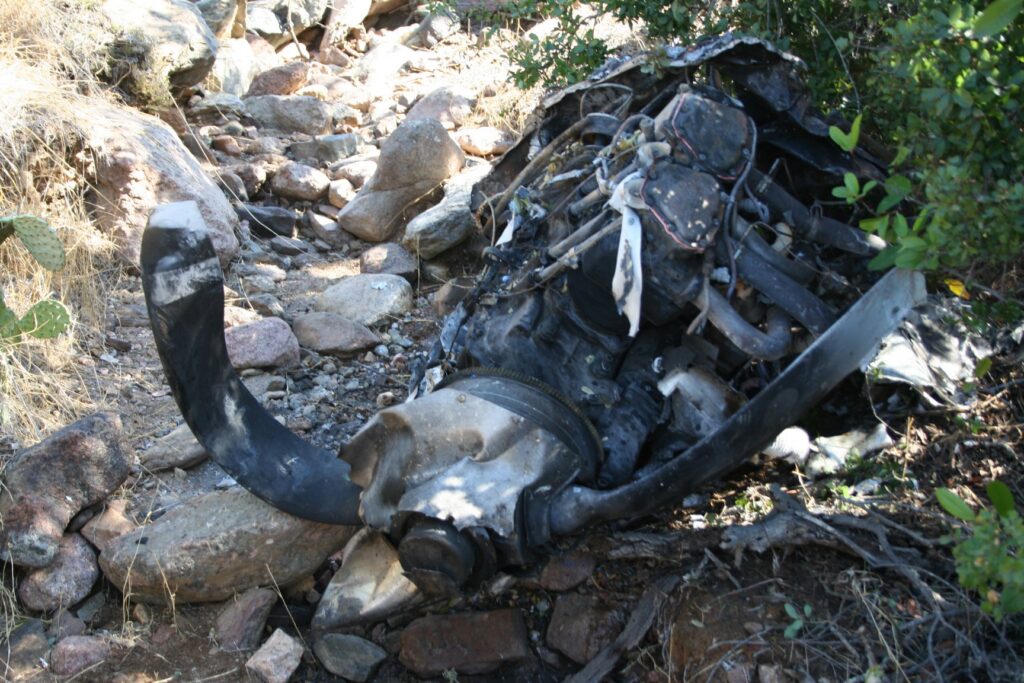
The Michigan State Police Dive Team found the airplane in 173 feet of water on July 30, resting upright on its main gear. The airframe remained largely intact, though the engine had separated on impact. When investigators examined the fuel system, they found about 60 gallons still in the wing tanks, ruling out fuel exhaustion. The first five gallons that drained appeared to be a mixture of fuel and water, but the remaining fuel looked normal.
The critical discovery came when investigators removed the fuel inlet screen from the engine’s fuel metering unit. The screen was partially blocked with debris, and the same material had clogged the fuel inlet orifice, blocking most of the opening. The debris included wood chips, sawdust, paint flakes, varnish, metal shavings, sand, dirt, fabric fibers, and glass fibers. The source of this contamination was never determined.
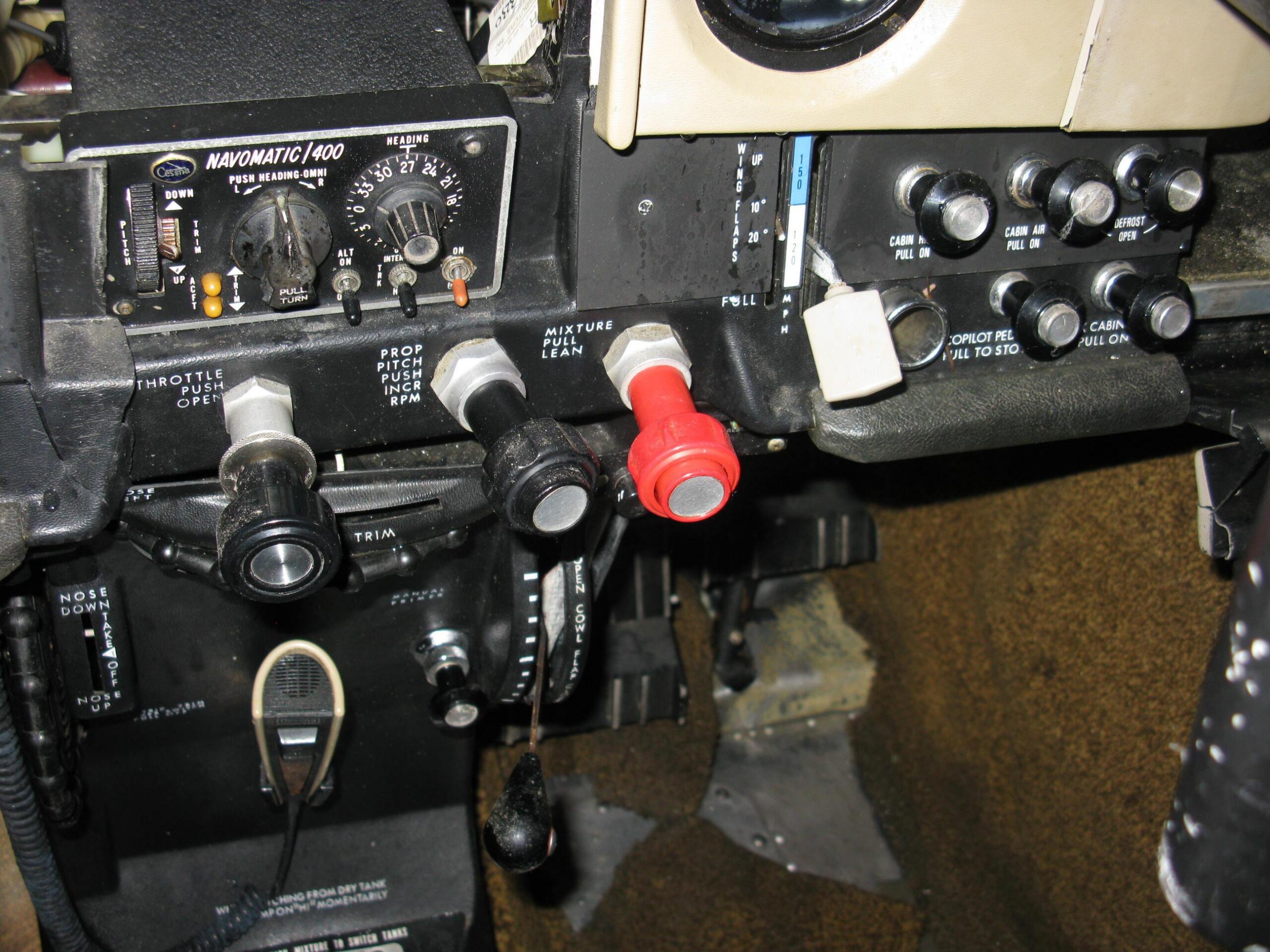
The firewall fuel strainer revealed why the debris reached the engine. The gasket between the fuel screen and the strainer’s upper body wasn’t properly seated. Instead of sealing completely, part of the gasket covered the exit port, creating a gap that allowed unfiltered fuel and debris to bypass the strainer entirely. The airplane had undergone an annual inspection just 7.5 hours before the accident. The inspection authorization mechanic told investigators he had drained water from the fuel strainer bowl but never removed the screen or gasket for inspection. He also stated he never checked the fuel metering unit’s inlet screen, despite both items being required by the manufacturer’s maintenance manual.
NTSB Probable Cause
The total loss of engine power due to fuel starvation as a result of accumulated debris in the fuel system from an undetermined source. Also causal was the inadequate annual maintenance inspection that did not include inspection of the firewall fuel strainer and the fuel inlet screen.
Safety Lessons
This accident shows how maintenance shortcuts can create fatal traps that won’t reveal themselves until the worst possible moment. The pilot did everything right once the engine failed, but the real failure happened months earlier during an incomplete annual inspection.
- Annual inspections require actual inspection, not just a visual check. The IA mechanic drained water from the fuel strainer bowl but never removed the screen or gasket. That incomplete inspection missed the improperly seated gasket that allowed debris to bypass filtration entirely. Both the firewall strainer and engine inlet screen are specifically called out in the maintenance manual for 100-hour inspections.
- Know your airplane’s glide performance and plan accordingly. The U206F manual showed a 15-mile glide from 10,000 feet in still air, but the pilot was 24 miles from shore with a 40-knot headwind. Even with perfect engine operation, that crossing had minimal safety margin. The accident pilot made the right decision to turn back immediately when power started dropping.
- Ditching preparation saves lives, but training and practice matter more than equipment. The pilot correctly kept flaps up to ensure cargo door operation, unlatched doors before impact, and had everyone in life vests. But the violent impact and rapid sinking overwhelmed the survival preparations. Only the pilot, who had practiced the evacuation sequence and understood the door mechanisms, managed to escape.

Frequently Asked Questions
Q: Why didn’t the pilot notice the fuel contamination during preflight?
A: The contamination was trapped between the firewall fuel strainer and the engine’s fuel metering unit. It wouldn’t have shown up in fuel samples taken from wing tank drains or the main fuel strainer during preflight inspection. The debris had been accumulating over time and finally reached a level that blocked fuel flow at cruise power settings.
Q: Could the pilot have made it back to shore with partial power?
A: Unlikely. Even at 10,000 feet with a 15-mile glide capability in still air, the 40-knot headwind and 24-mile distance from shore created impossible math. When the engine lost total power 12 miles from shore, the airplane was already beyond gliding distance. The pilot’s immediate turn toward shore was the correct decision.
Q: How often should fuel system components be inspected during annual maintenance?
A: The manufacturer’s service manual requires inspection of both the firewall fuel strainer screen and the engine fuel inlet screen at every 100-hour or annual inspection. This means removing, cleaning, and properly reinstalling both components with new gaskets and O-rings, not just a visual inspection.
Q: What’s the proper procedure for ditching a Cessna 206?
A: The owner’s manual calls for flaps at 40 degrees and a 300-foot-per-minute descent at 75 mph, but this pilot correctly chose to keep flaps up to ensure cargo door operation for emergency egress. The manual also recommends unlatching cabin doors before impact and avoiding a landing flare due to difficulty judging height over water.
Q: Were life vests required for this flight?
A: No. FAR Part 91 doesn’t require life vests for non-commercial flights over water. However, this pilot wisely carried them and had all occupants don the vests before ditching. The life vests were found to be in working condition despite being manufactured in the 1980s, though they were overdue for inspection.