What Happened
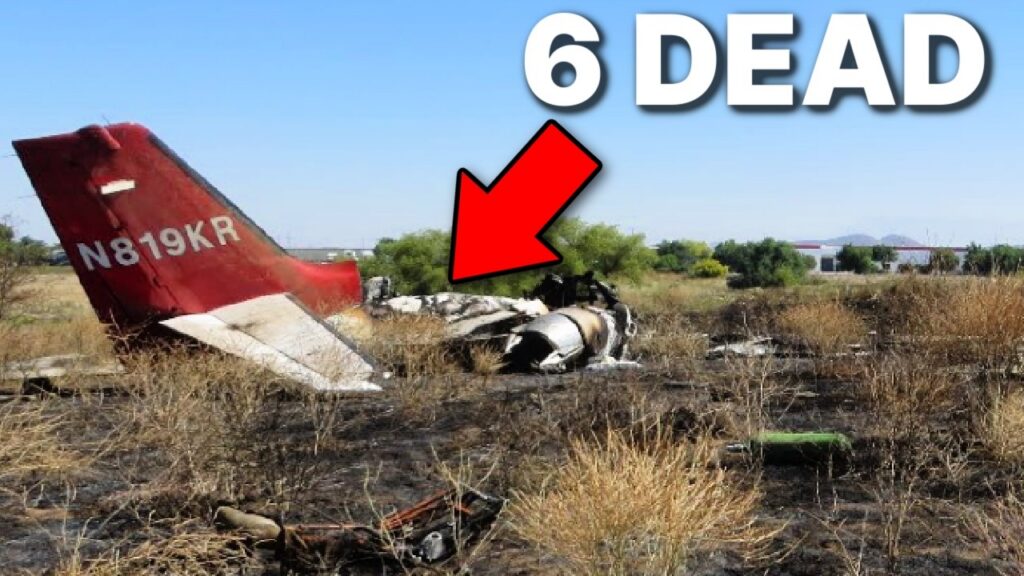
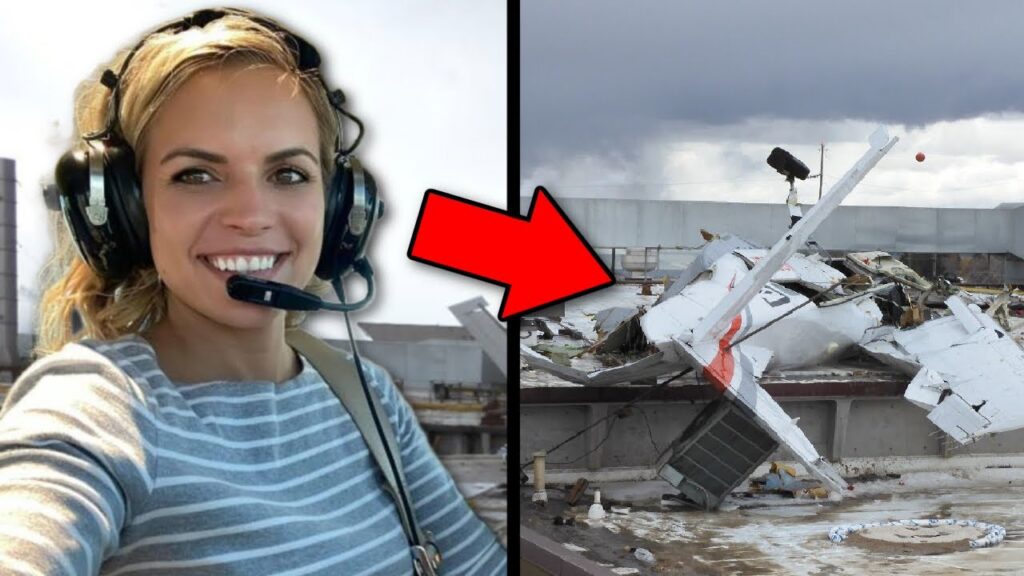
On April 13, 2022, Cessna 208B Grand Caravan N928JP flew two GPS approaches to runway 20 at Burley Municipal Airport, Idaho. During the second, the airplane descended below the approach path and struck a vent stack on a potato-processing plant near Heyburn. The pilot, Chelsea Brittney Infanger, died. Her identity was confirmed in the public Idaho court record concerning the accident.
The Part 135 cargo flight used the call sign Gem Air 1826 and had departed Salt Lake City at about 0700 mountain daylight time. The climb and en route portions were uneventful. The difficulty developed during the arrival in instrument weather.
On the first approach, the pilot left the flaps up and flew the final segment faster than the operator’s 120-knot indicated-airspeed training standard. She made a low pass over the runway, most likely to assess landing conditions under company policy, then flew the missed approach and requested another attempt.
The weather had improved by the second approach, with reported visibility about two and a half miles. The pilot again chose a flaps-up configuration, but flew the final segment more slowly. The airplane intercepted and followed the glidepath to the stepdown fix.
The final recorded ADS-B position was about a mile beyond that fix and 0.6 nautical miles from the displaced threshold. At that point the airplane was still on the glidepath. Its estimated calibrated airspeed was 85 knots, below the airplane’s 95-knot minimum for flaps-up flight in icing conditions.
Shortly afterward, the airplane descended about 130 feet below the glidepath. It struck the agglomerate stack on the plant beneath the approach course.
A witness saw the airplane emerge from cloud and enter steam from another group of six stacks before the impact. Security video showed it in a wings-level, flaps-up, nose-high descent. The witness heard engine noise increase and saw the nose lift, which the report considered a possible attempt to avoid the obstacle.
The accident stack remained visible in the camera view, although portions were sometimes obscured. That did not mean the pilot had the same viewing angle or the same contrast from the cockpit. The investigation evaluated the steam and the visibility of the structure as well as the airplane’s descent.
Investigation Findings
The NTSB identified the pilot’s failure to maintain altitude during the instrument approach as a cause. It also identified the processing plant’s failure to paint the vent stacks correctly as causal. The final finding was not limited to a pilot mistake.
The stacks had a documented history in the airport environment. FAA studies in 2016 and 2017 evaluated them as hazards to air navigation. The runway 20 visual approach slope indicator was first placed out of service and ultimately removed as part of the mitigation measures. That removed a visual glide-slope cue from the runway approach.
The second study addressed a revised proposal for taller stacks. Mitigation included high-visibility white and aviation-orange paint and red flashing warning lights. At the time of the accident, the agglomerate stack and the row of six stacks did not have the prescribed paint scheme.
Their existing appearance and the steam produced low contrast against the background. The NTSB concluded that the absence of a visual glide-slope indicator and the low-contrast structures may have made it more difficult to maintain safe altitude after transitioning to visual flight.
The warning-light evidence had a specific limit. Five of the six adjacent stacks had flashing red lights. The light on the accident stack was stolen after the crash, preventing an accurate determination of its operating status. It would therefore be incorrect to state as a finding that this light had been off or inoperative during the approach.
Investigators examined the airplane hours after the accident and found no structural icing on the wings or tail. That observation did not establish the airplane’s exact icing condition at every earlier point in the flight. It also did not negate the minimum speed applicable to a flaps-up configuration in icing conditions.
The airframe and engine examinations revealed no mechanical malfunction that would have prevented normal operation. The cargo manifest and balance information placed the airplane within the relevant loading and center-of-gravity limits.
Although the final estimated speed was below the icing-condition minimum, the NTSB did not list an established aerodynamic stall as the probable cause. The video showed a nose-high descent, and the airplane hit the structure after going below the glidepath. The article’s explanation therefore should not substitute a stall finding for the Board’s actual conclusion.
The report also noted the difficulty of general advice to avoid flying over exhaust stacks when the particular stack stood directly beneath the instrument approach course. Following the lateral course took aircraft over the industrial site. The required protections included maintaining the vertical path and making the hazard conspicuous, with steam identified as a likely source of distraction, illusion, or obscuration.
NTSB Probable Cause
The pilot’s failure to maintain altitude during an instrument approach, which resulted in a descent below the approach path and impact with a vent stack. Also causal was the failure of the processing plant to correctly paint the vent stacks, which had been determined by the FAA to be a hazard to navigation due to their proximity to the landing approach path. Contributing to the accident was the likely distraction/illusion/obscuration created by steam from the processing plant, which intermittently obscured the runway.
Safety Lessons
The following takeaways apply the investigation to flight planning and training. They do not replace the aircraft flight manual or instruction in the airplane.
- Continue vertical-path monitoring after visual acquisition. Seeing the airport does not end the need to monitor altitude and descent. Where outside cues are weak or misleading, preserve a cross-check against the approved approach and discontinue an unsafe approach.
- Apply configuration-specific speed limits. Confirm the speed required for the flap configuration and environmental conditions. A slower second attempt is not necessarily safer if it falls below the applicable minimum.
- Include known obstacles and visual aids in the briefing. Review the approach environment, missing glide-slope aids, and nearby industrial plumes. Operators and airport stakeholders also need to follow through on hazard-marking requirements; the cockpit is only one layer of protection.
Watch the Full Analysis
Frequently Asked Questions
Q: What caused Brittney Infanger’s crash at Burley?
A: The NTSB found a failure to maintain approach altitude and a failure by the plant to paint the hazardous stacks correctly. Likely distraction, illusion, or obscuration from steam contributed.
Q: Did the NTSB say the vent-stack warning light was off?
A: No. The accident stack’s warning light was stolen after the crash, so investigators could not accurately determine its operating status.
Q: Did the NTSB determine that the Caravan stalled?
A: The official probable cause identified a descent below the approach path and impact with the stack. Although the final estimated speed was below the icing-condition minimum, the report did not identify a confirmed stall as the probable cause.
Sources and References
- NTSB final report WPR22FA151
- NTSB investigation docket
- Idaho Supreme Court public case summary identifying Chelsea Brittney Infanger