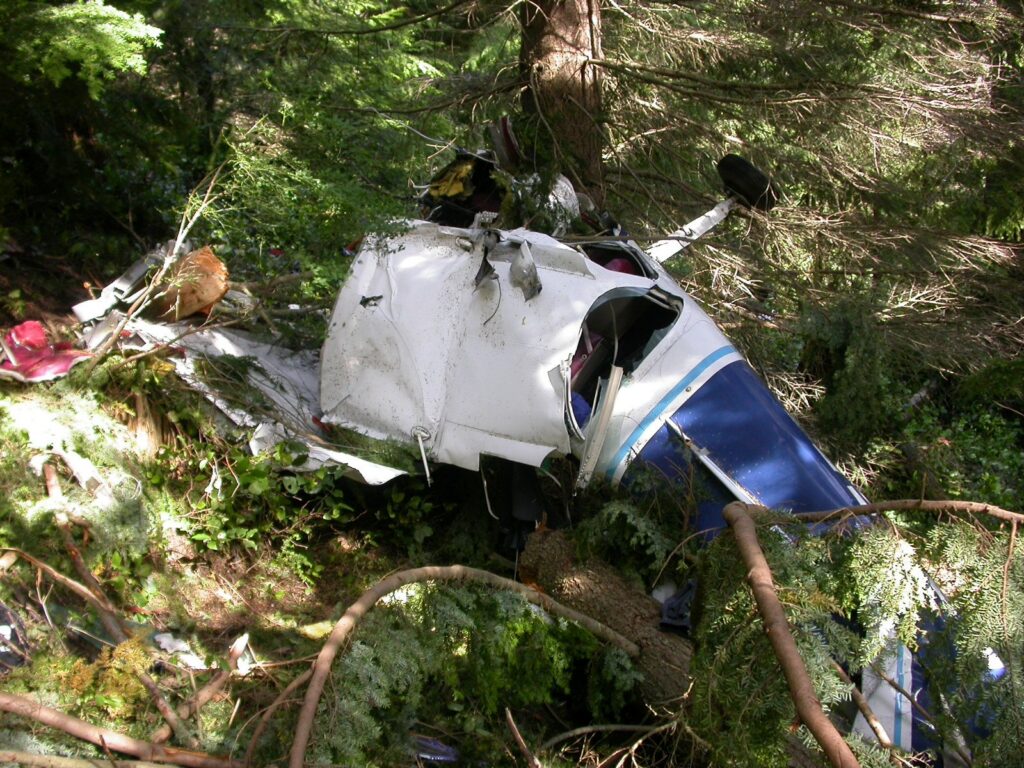

On a crisp August morning in 2023, a vintage Boeing A75N1 (PT-17 Stearman) took off from Red Lodge Municipal Airport in Montana, its bright yellow wings glinting under the sun. The 76-year-old pilot and his passenger were looking forward to a scenic flight. But just moments after takeoff, their adventure took a dangerous turn when the aircraft, rather than climbing, began to sink toward the tree-covered terrain below.
The Flight That Didn’t Climb
At 9:00 AM, with light winds and clear skies, the Stearman lifted off from Runway 16. The aircraft, a classic biplane often used for training and leisure flights, initially seemed to perform normally. However, as it crossed a sharp drop-off in terrain—described by the pilot as a “steep hill about 200 feet”—the airplane inexplicably began to descend.
The pilot quickly ran through his checks. Throttle and mixture? Full forward. Ignition switch? Set to both. Fuel selector? Confirmed on. Despite these efforts, the aircraft continued its unwanted descent. There was no obvious reduction in engine noise, but the pilot knew he had little time to act. He focused on looking outside to find a suitable place to land rather than inside trying to determine what the tachometer was showing for an actual RPM reading.
From a mile away, a witness saw the biplane stop climbing, then begin its descent into the trees. Within seconds, the aircraft struck the treetops, nosed over, and came to rest—damaged but thankfully upright.

A Mechanical Mystery
With both the pilot and passenger escaping unharmed, attention quickly turned to what had gone wrong. A post-accident inspection revealed a troubling mechanical issue: the aircraft’s Bendix-Scintilla magneto, a crucial component of the ignition system, was not functioning properly.
Further examination uncovered multiple issues:
- One set of magneto points wasn’t opening and closing as it should.
- The advance-side coil had been improperly serviced, with loose screws and an incorrect P-lead spring that had seemingly been modified to fit.
- The advance-side timing was so misaligned that it couldn’t even be measured.
- Three of the nine ignition leads from the left-hand harness failed a continuity test.
This faulty ignition system meant the engine wasn’t getting the proper spark at the right time—leading to a partial power loss at a critical phase of flight.
The Human Element: Pilot Experience and Decision-Making
The pilot, a seasoned aviator with 1,820 total flight hours—665 of which were in this specific make and model—had a solid background in flying.
Just before takeoff, he performed a run up check. He increased the engine RPM’s to about 1800 and saw an RPM drop of about 75 to 100 RPM on the magneto check, which he described as normal for that airplane. He completed his full run up and re-stated that it sounded fine.
When the pilot recognized the engine malfunction he knew he was too low to the ground to troubleshoot so he made a split-second decision. Maintain aircraft control (aviate) and then look outside and find a suitable place to land (navigate). Although the NTSB didn’t mention it, I’m sure the pilot warned his passenger to brace for impact (communicate). If the pilot had prioritized looking inside and troubleshooting the problem, the outcome might have been far worse.
The Bigger Picture: Maintenance Matters
The aircraft had undergone a 100-hour inspection just nine months prior, in November 2022. That inspection reportedly included a magneto timing check, with no noted issues.
So, what went wrong? The investigation suggests that improper maintenance—potentially involving incorrect parts and loose components—set the stage for this failure.
This case is a stark reminder that even small errors in maintenance can lead to big consequences in flight. Pilots and mechanics alike must be diligent in ensuring aircraft systems, especially critical ones like ignition, are in proper working order.
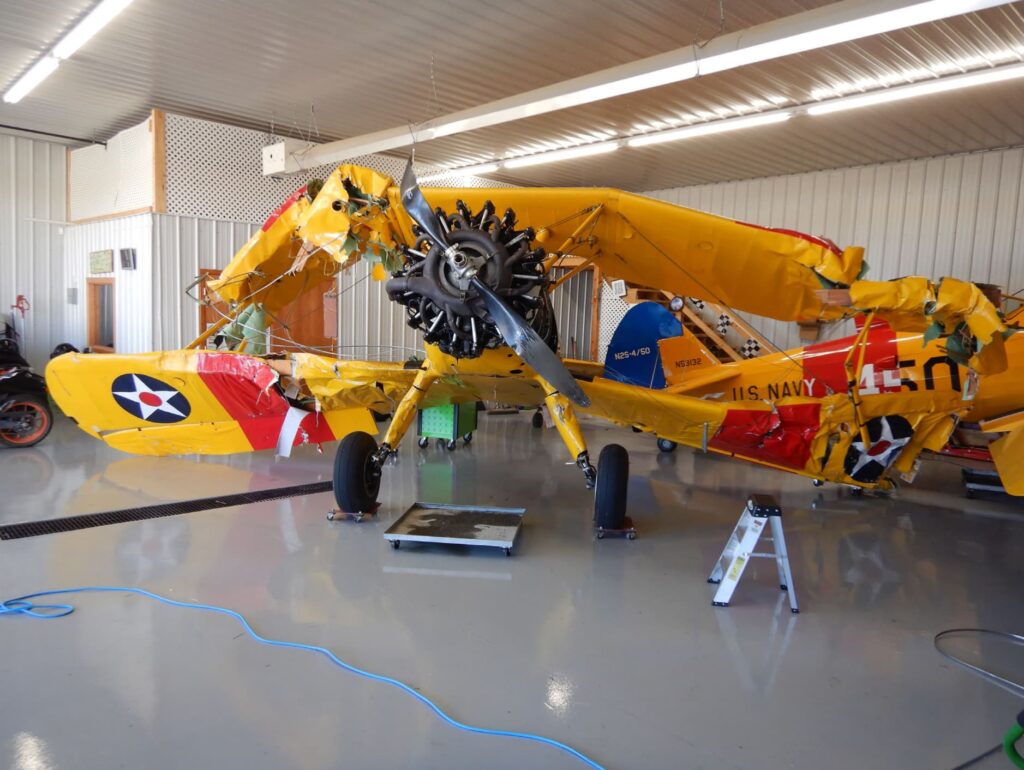
Lessons Learned
- Aviate – Navigate – Communicate – Sometimes things go wrong and you won’t have time to troubleshoot the problem. Maintain aircraft control, analyze the situation and take the appropriate action, land as soon as conditions permit.
- Magnetos Matter – The ignition system must be meticulously maintained. Improperly serviced magnetos can cause partial or total power loss at the worst possible moment.
- Know Your Terrain – When departing from an airport with nearby elevation changes, be prepared for how terrain can impact climb performance, especially if a power issue arises.
Final Thoughts
The pilot and passenger were able to walk away from this accident unscathed because of how the pilot remained calm and handled the situation. This is a good reminder to never become too complacent – you don’t know when things might go wrong.