What Happened
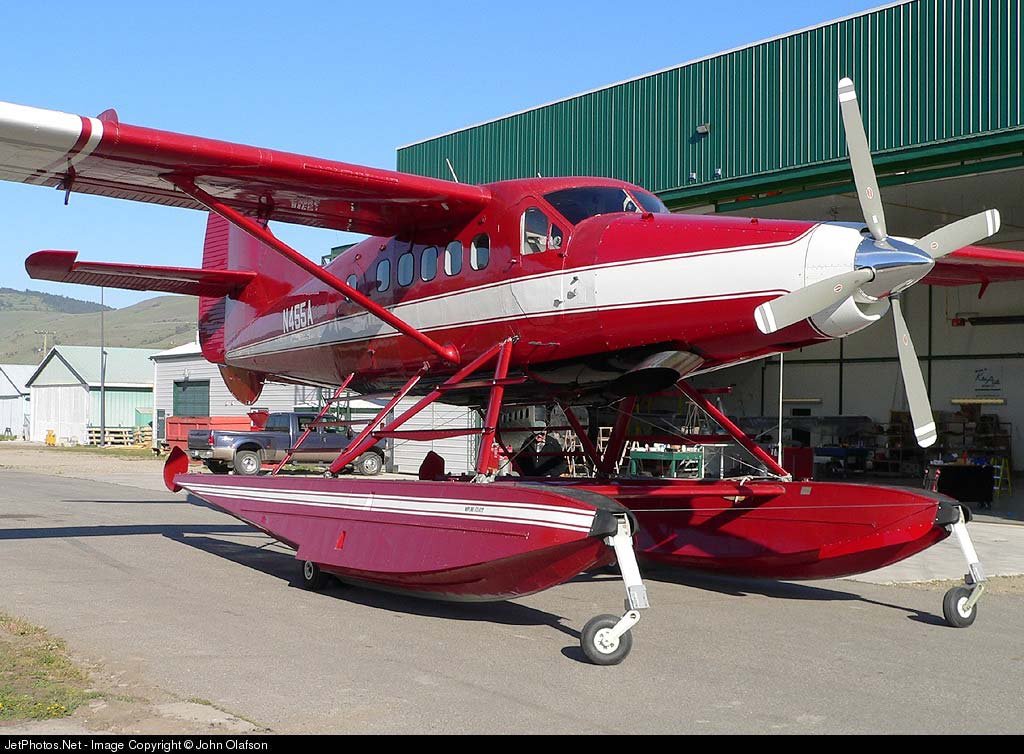
The afternoon of August 9, 2010 started the way a lot of Alaskan bush flights do: low ceilings, soft light, and water everywhere you looked. A de Havilland DHC-3T Otter, registration N455A, lifted off the shore of Lake Nerka at approximately 1427 Alaska daylight time with an airline transport pilot at the controls and eight passengers in the cabin. The destination was a remote sport fishing camp on the Nushagak River, roughly 52 nautical miles to the southeast. The flight was operated by GCI Communication Corp. under Part 91, no flight plan was filed, and the weather at Dillingham Airport, about 18 nautical miles south of where they were headed, was sitting right at the edge of marginal VFR.
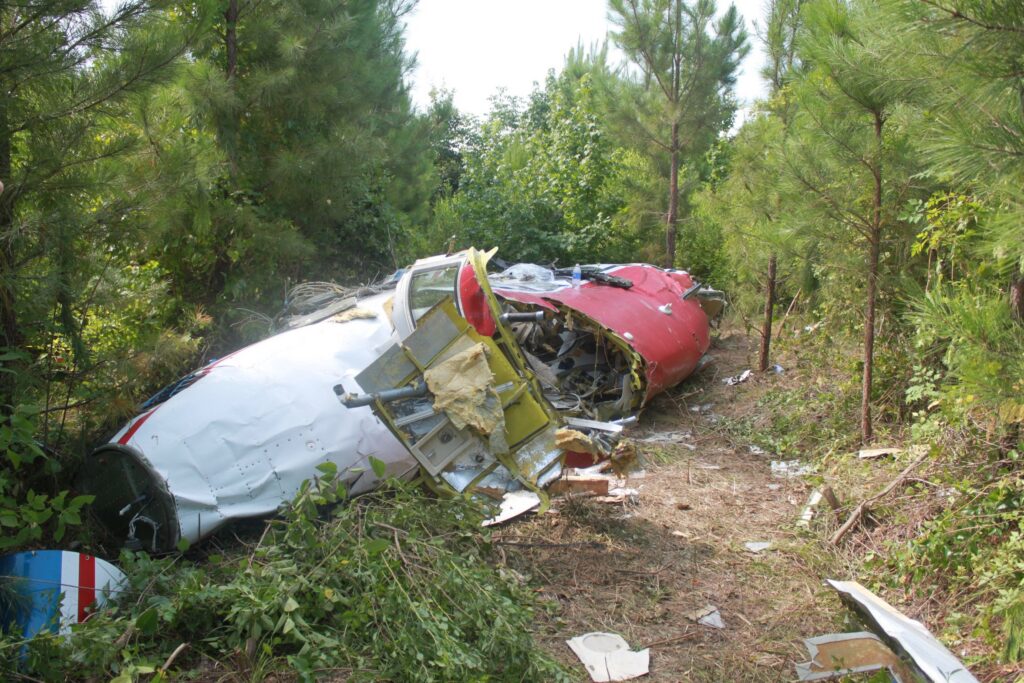
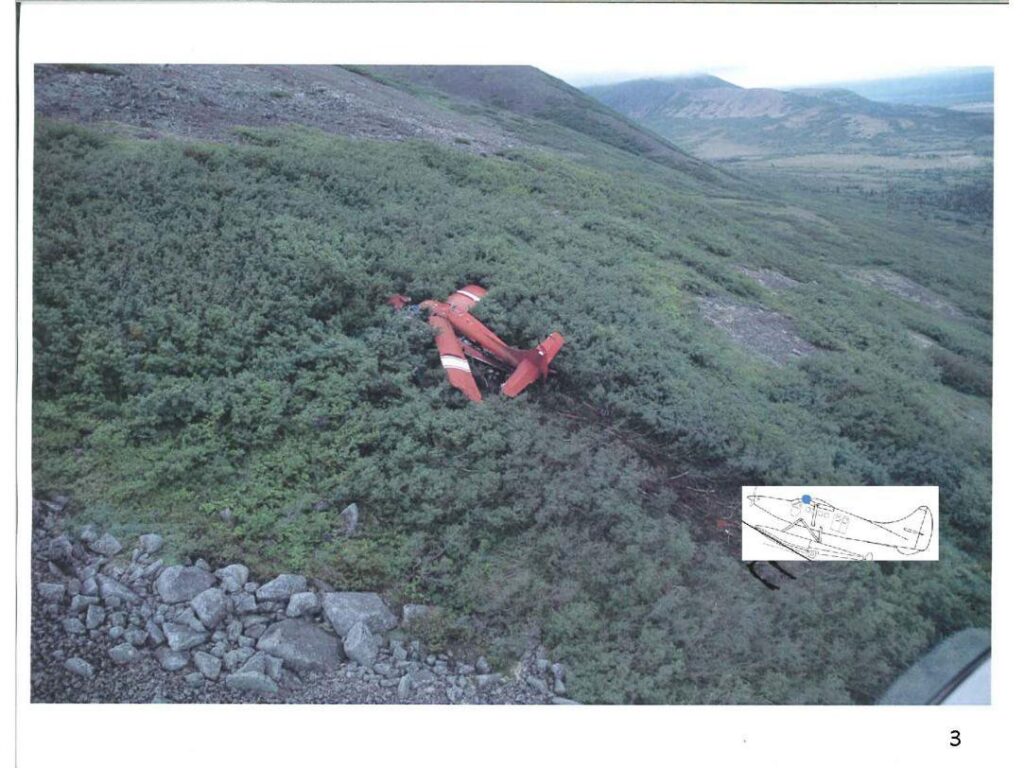
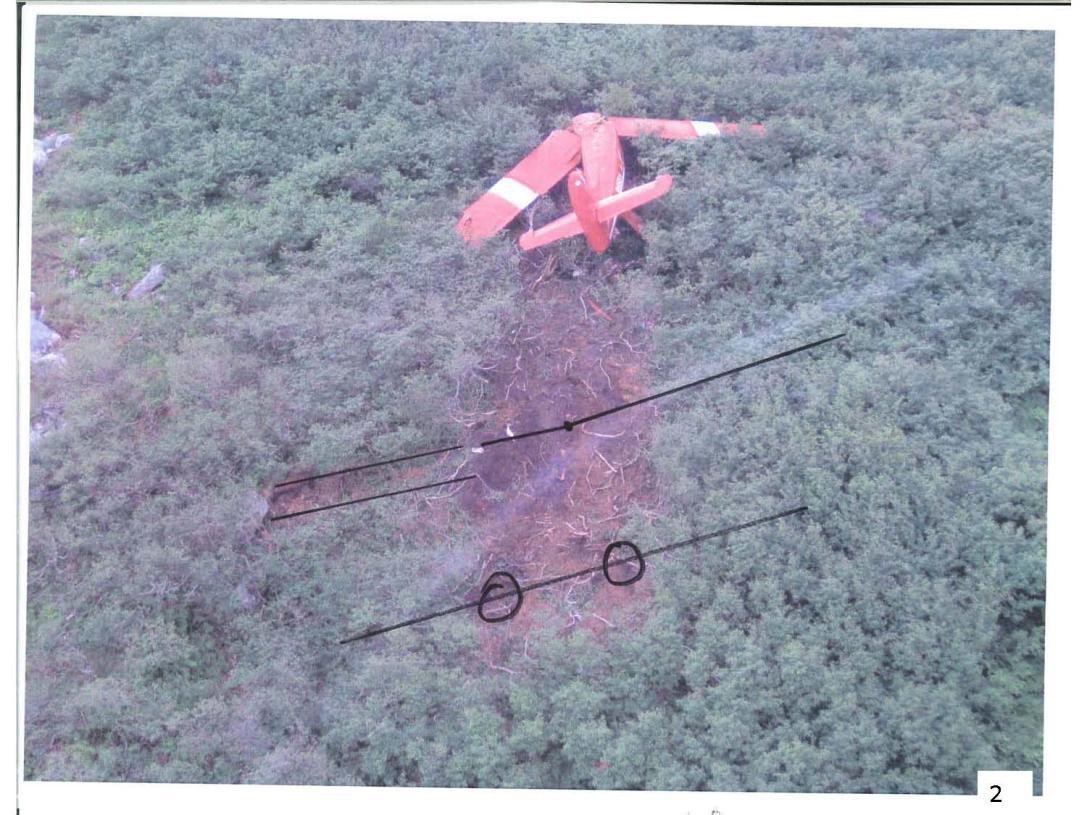
Fifteen minutes into the flight, at approximately 1442, N455A flew into mountainous, tree-covered terrain about 10 nautical miles northeast of Aleknagik. The fuselage deformed and breached on impact. The pilot and four of the eight passengers received fatal injuries. The four remaining passengers survived with serious injuries. From wheels up to impact, the entire flight lasted roughly 15 minutes.
The route from Lake Nerka to the Nushagak River fishing camp takes you through terrain that demands attention. The Kilbuck Mountains frame the northern corridor, and any VFR route through that area means threading ridges and drainages at altitudes where there is not a lot of margin for course corrections. The airplane was amphibious float-equipped, a DHC-3T variant with a turbine conversion, and by all accounts it was mechanically sound. The pilot held an airline transport certificate and had logged significant time in Alaska bush flying. None of that changed what the radar track and wreckage distribution eventually revealed.
Investigators reconstructing the final minutes of the flight found that the airplane entered a descent it never pulled out of. There was no distress call. No indication from radar data or wreckage examination that anything mechanical had failed. The airplane flew itself into the hillside in what the evidence suggested was a controlled, wings-level attitude, with no apparent evasive action taken before impact. The terrain at the accident site rose to meet the flight path. The pilot did not appear to respond to it.
Investigation Findings
The NTSB investigation, which produced a full Aircraft Accident Report under number NTSB/AAR-11/03, worked through the usual layers: airplane systems, weather, pilot history, toxicology, and the physical evidence at the crash site. On the mechanical side, examiners found no pre-impact anomalies. The engine was producing power at impact. The flight controls were intact and functional. The airframe had not failed. Whatever caused this accident, it did not start with something breaking.
Weather was examined closely. Marginal VFR conditions were reported at Dillingham at the time of the accident, and Dillingham sits 18 nautical miles south of the site. That means conditions in the mountains along the actual route could have been equal to, or worse than, what was reported at the airport. The ceiling and visibility data available did not conclusively place the flight in instrument meteorological conditions at the moment of impact, but the margins were narrow. A pilot flying through a mountain corridor under a broken ceiling, with terrain rising on all sides, needs to be actively scanning and responding. The evidence suggested that active response did not happen.
The pilot’s toxicology results and medical history became a significant focus of the investigation. Investigators worked to determine whether a medical event, a cardiovascular episode, hypoxia, or some other form of incapacitation could explain the absence of any evasive action. The examination was thorough, but the findings were not definitive. The NTSB could identify factors consistent with possible incapacitation but could not establish a specific mechanism with certainty. And that uncertainty points directly to the second major finding: N455A was not equipped with any cockpit recording system. No CVR, no flight data recorder, no camera, no parametric data capture of any kind. The final minutes of that flight exist only in the wreckage pattern and the surviving passengers’ fragmented recollections.
The surviving passengers reported nothing unusual before the impact. No announcement from the pilot, no visible distress, no indication the flight was in trouble. They were simply passengers on what should have been a routine 15-minute hop, and then they were not. The absence of any cockpit recording meant investigators could not hear what, if anything, the pilot said or did in the final seconds. They could not see whether his hands were on the controls. They had no parametric record of what the airplane was doing, altitude, airspeed, heading, attitude, in the seconds before the trees came up.
NTSB Probable Cause
The pilot’s temporary unresponsiveness for reasons that could not be established from the available information. Contributing to the investigation’s inability to determine exactly what occurred in the final minutes of the flight was the lack of a cockpit recorder system with the ability to capture audio, images, and parametric data.
Safety Lessons
Five people died on a clear-weather VFR flight that lasted 15 minutes. Four more were seriously injured. The wreckage showed nothing broken before impact. What that leaves is a pilot who, for reasons the NTSB could not establish, stopped flying the airplane. There are several things worth sitting with after reading this one.
- Incapacitation happens without warning, and it happens to experienced pilots. The pilot of N455A held an airline transport certificate and had accumulated significant hours in Alaskan operations. That experience did not protect against whatever took him off the controls. Incapacitation from a cardiovascular event, hypoxia, or a neurological episode can render a pilot unresponsive in seconds. Single-pilot Part 91 operations provide no redundancy when that happens. If you fly passengers in single-pilot operations, your pre-flight medical self-assessment is not a formality. It is the last line of defense.
- Marginal VFR terrain flying leaves no room for reduced vigilance. The route from Lake Nerka to the Nushagak River threading terrain under marginal ceilings demands continuous active attention, not just a heading held and altitude maintained. At 15 minutes of flight time, the airplane had barely cleared the departure area when it hit the hillside. In low-margin terrain, the time between a distracted or incapacitated pilot and a controlled flight into terrain event is measured in seconds, not minutes.
- The absence of cockpit recording directly limited what investigators could learn, and what they could teach. The NTSB made clear that without audio, imagery, and parametric data from the cockpit, the probable cause could not be established with certainty. That uncertainty is not just an investigative frustration. It means the specific lesson that might prevent the next identical accident was never fully extracted from this one. Affordable cockpit video and data recording systems exist for Part 91 operators. They do not prevent accidents. But they generate the evidence base that makes the next accident less likely for someone else.
Frequently Asked Questions
Q: What caused the DHC-3 Otter crash near Aleknagik, Alaska in 2010?
A: The NTSB determined the probable cause was the pilot’s temporary unresponsiveness, resulting in controlled flight into terrain. The specific reason for the pilot’s unresponsiveness could not be established because the airplane was not equipped with any cockpit recording system. No mechanical failure was found.
Q: Who was on board the GCI DHC-3T that crashed on August 9, 2010?
A: The flight carried one airline transport pilot and eight passengers. The pilot and four passengers received fatal injuries. The four remaining passengers survived with serious injuries. The flight was operated by GCI Communication Corp. of Anchorage under Part 91.
Q: Was weather a factor in the Aleknagik Otter crash?
A: Marginal VFR conditions were reported at Dillingham Airport, about 18 nautical miles south of the accident site, at the time of the crash. The route traversed mountainous terrain, and visibility limitations may have reduced the time available to respond had the pilot regained awareness. However, the NTSB identified pilot unresponsiveness, not weather, as the probable cause.
Q: Why couldn’t the NTSB determine exactly what happened in the cockpit?
A: N455A was not equipped with a cockpit voice recorder, flight data recorder, or any cockpit imaging or parametric data capture system. The NTSB specifically cited this gap as a contributing factor to the investigation’s inability to determine what occurred in the final minutes of the flight. Without that data, investigators could not establish the pilot’s actions, the airplane’s precise flight parameters, or the specific cause of his unresponsiveness.
Q: What is a DHC-3T Otter and why is it common in Alaska?
A: The de Havilland DHC-3 Otter is a single-engine utility aircraft originally designed for short takeoff and landing operations. The “T” designation refers to a turbine engine conversion, typically replacing the original piston engine with a Pratt & Whitney PT6 or similar turboprop. The DHC-3 is widely used in Alaska bush operations because of its ability to carry heavy loads from short strips and water surfaces, making it well suited for accessing remote lodges and fishing camps inaccessible by road.