
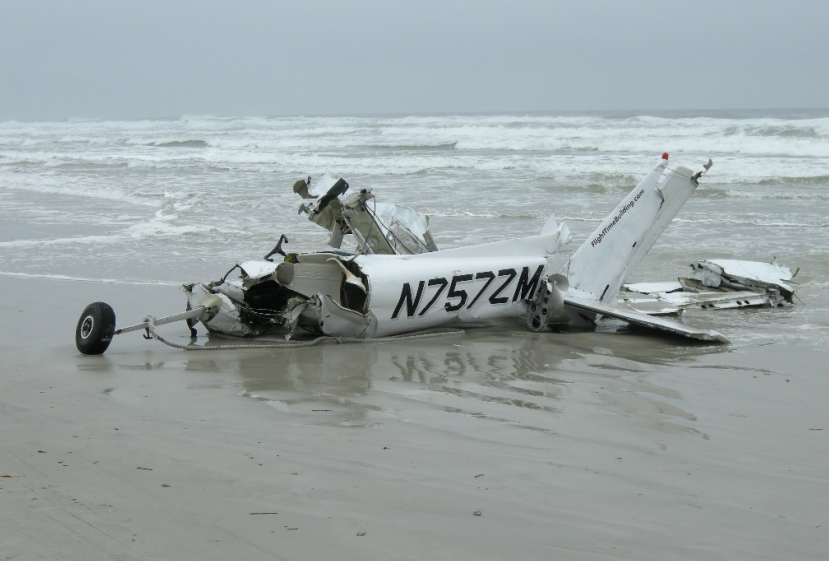



On the night of January 13, 2015, N757ZM, a Cessna 152 took off from Massey Ranch Airpark in Edgewater, Florida, under the cover of darkness. What started as a routine nighttime practice flight quickly spiraled into confusion and desperation, ultimately ending in tragedy on the shores of New Smyrna Beach.
A Pilot Pushing Limits
The 38-year-old commercial pilot had recently started flying with a company that sold bulk flight hours to pilots looking to build experience. She had flown the previous day with an instructor, who noted that she needed to improve her landings before being cleared for solo flight. However, she retained access to the aircraft keys and, on the day of the accident, conducted an undetermined number of solo flights without the knowledge or approval of the flight school.
By the time she took off at 8:40 p.m., the weather had deteriorated. An overcast ceiling at 500 feet blanketed the area, and the night sky was moonless—conditions ripe for spatial disorientation.
A Desperate Call for Help
Approximately seven minutes into the flight, the pilot made a radio call:
“Hello… I don’t know where I am. I want to land.”
Her aircraft had been squawking 7700, the universal emergency transponder code. Daytona Beach (DAB) ATC picked up her distress call and attempted to guide her back to New Smyrna Beach Municipal Airport (EVB), which was only a few miles away.
At first, she reported seeing the airport lights. But just as quickly, she lost sight of them.
The controller’s tone turned urgent:
“Okay, don’t worry, don’t worry, don’t worry… just calm down. Make a left turn and climb.”
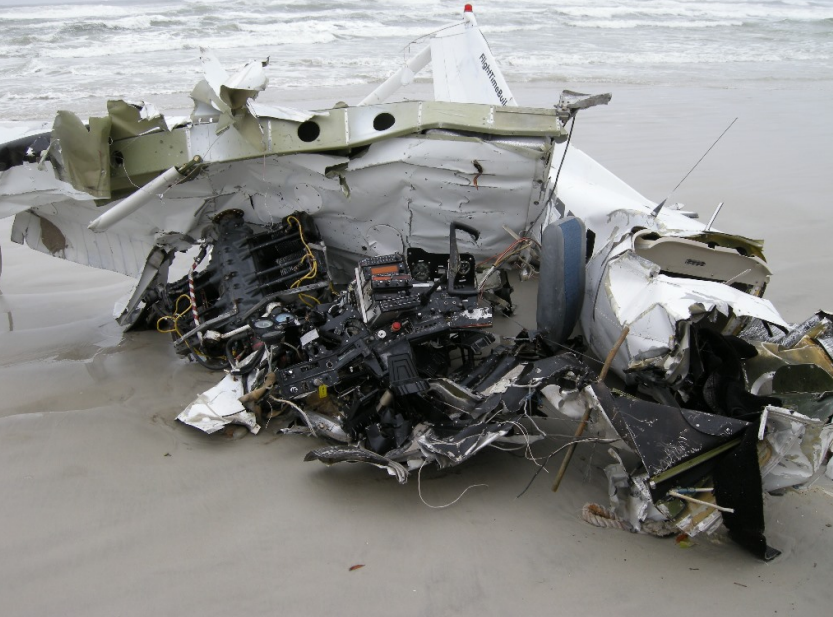
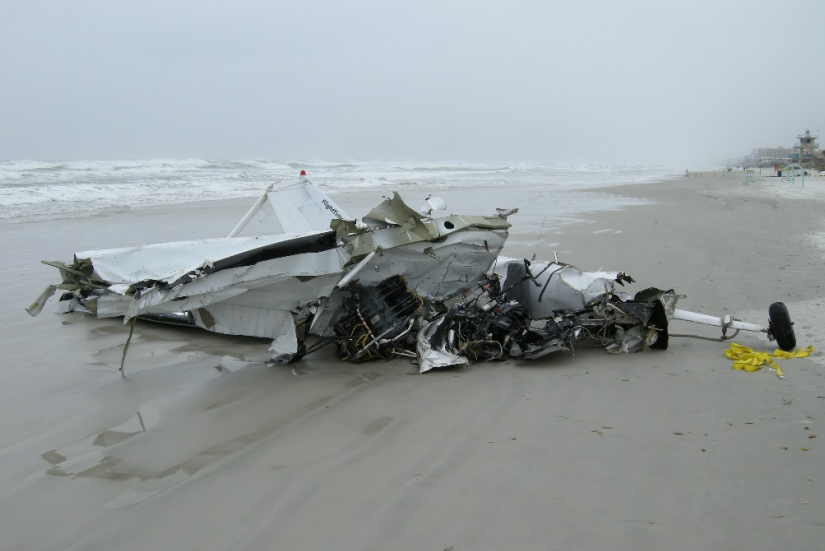
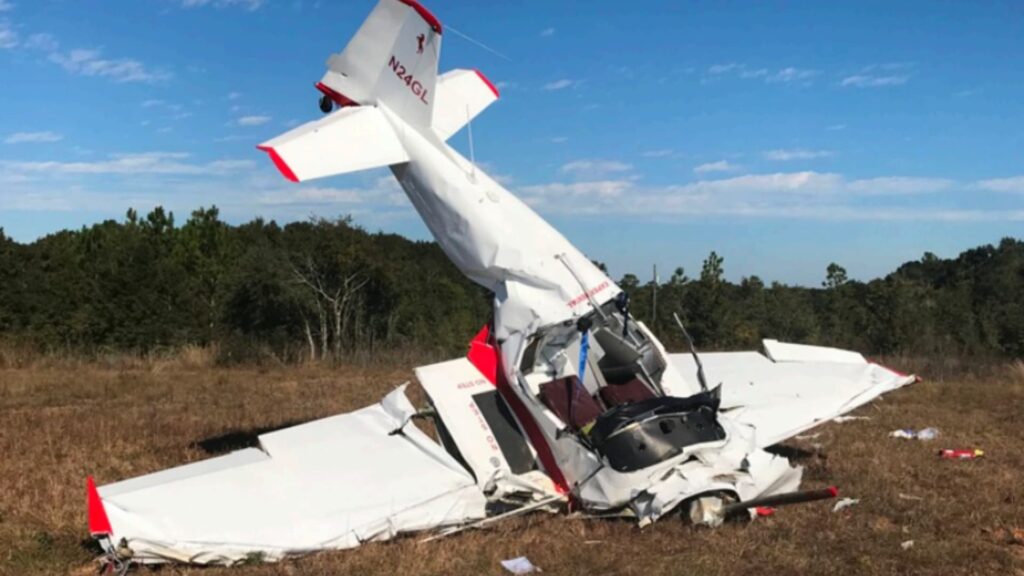
But it was too late. At 8:58 p.m., radar contact was lost. The aircraft had entered a rapid, uncontrolled descent before crashing into shallow water on New Smyrna Beach.

Mihoko Tabata (pilot)
The Fatal Chain of Events
The NTSB report identifies spatial disorientation as the primary cause of the crash. Several critical factors contributed to this:
- Flying VFR in IMC
The pilot was flying under Visual Flight Rules (VFR) but had inadvertently entered Instrument Meteorological Conditions (IMC)—a situation known as VFR into IMC. Even though she was instrument-rated, her limited recent experience (only 6.1 hours of logged actual instrument time) left her unprepared for the challenge. The NTSB did not provide any further details about her instrument flying experience. - Lack of Approved Solo Clearance
Had the flight school properly controlled access to the aircraft, this flight likely wouldn’t have happened. - ATC Assistance That Fell Short
While the controllers attempted to assist, the NTSB found that they did not follow all FAA guidance for aiding a pilot in distress. Key oversights included:- Failing to determine if the pilot was capable of IFR flight before issuing instructions.
- Not directing the pilot toward known VFR conditions.
- Missing an opportunity to obtain a PIREP (pilot weather report) from another aircraft in the area.
- A Perfect Storm of Nighttime Hazards
- Dark, overcast skies with no moonlight deprived the pilot of a natural horizon.
- The final portion of the flight was over water, further disorienting her.
- Studies show that it takes only 35 seconds for a pilot to lose control if they rely on their senses instead of instruments.
Final Thoughts
The crash of N757ZM was entirely preventable. A combination of factors—poor flight school oversight, overconfidence in marginal conditions, and an unprepared ATC response—sealed the fate of the pilot that night. Even an experienced pilot can become quickly disoriented at night or over water.
VFR into IMC Is a Killer – According to the FAA, nearly 90% of VFR pilots who enter IMC lose control within minutes. If in doubt, turn around before it’s too late.
For every pilot reading this: Train for the worst, fly within your limits, and never assume you’ll “figure it out” in the air. The sky is unforgiving to those who push it too far.
Fly safe.
2 Comments
How can a IFR rated Commercial pilot NOT be approved to solo???
They had to get checked out from the place they were renting the aircraft from first.