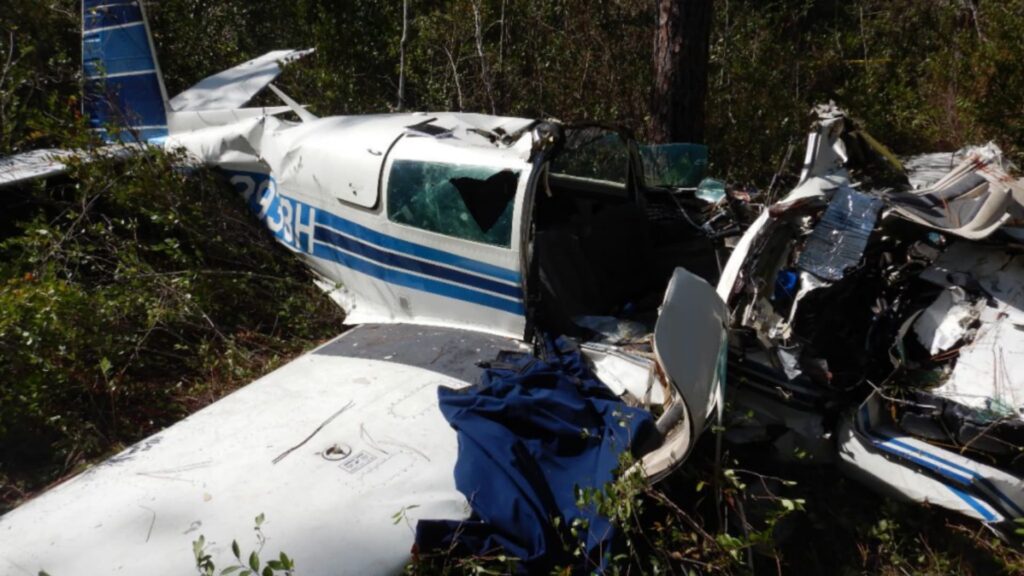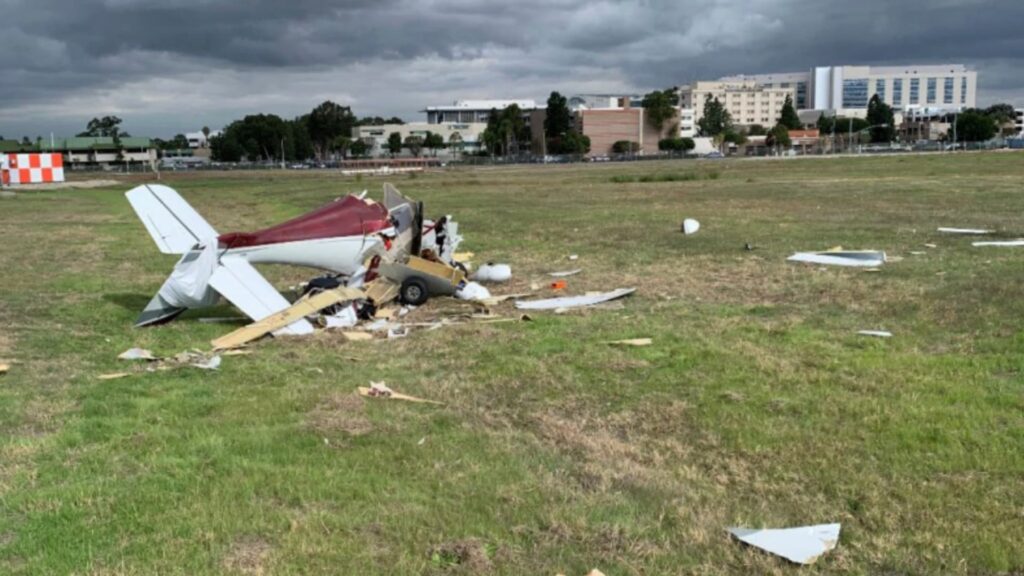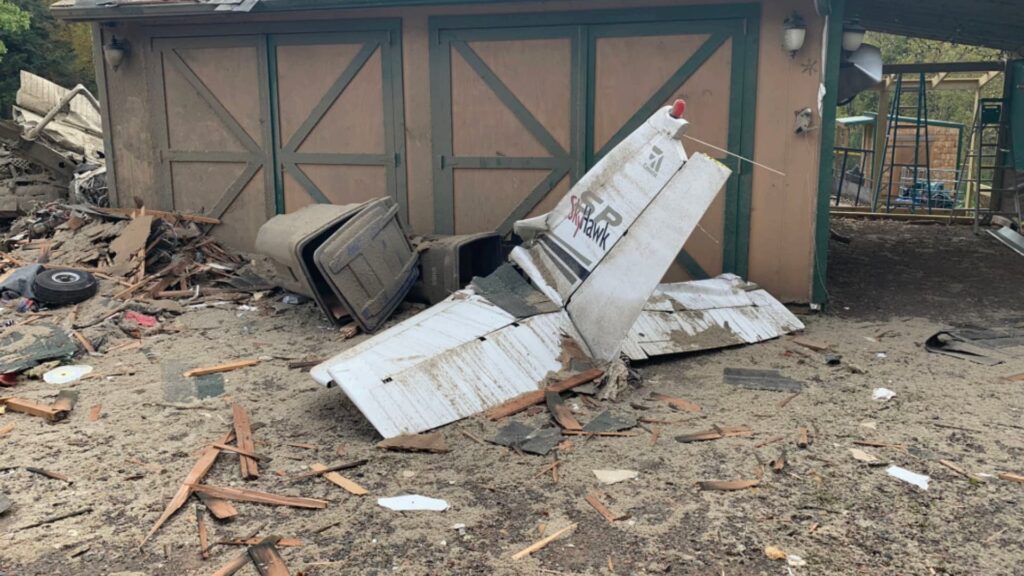
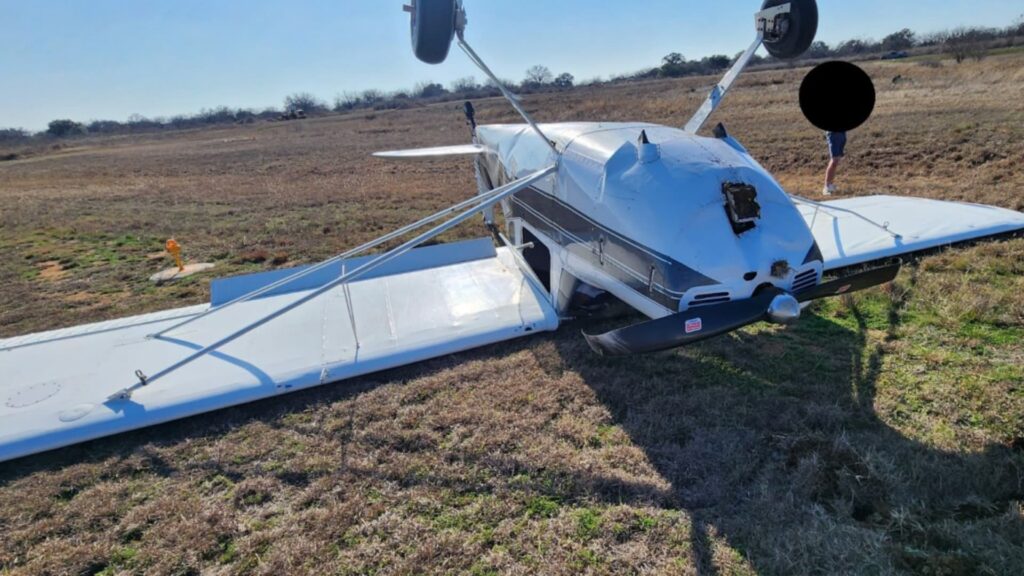



On a breezy February afternoon in Llano, Texas, a routine instructional flight turned into a cautionary tale about tailwheel aircraft and the critical importance of experience.
The Setup
The aircraft in question was a classic: a 1946 Cessna 140, a two-seat taildragger known for its light weight and charm—and its demand for precision on the ground. It was a training flight under Part 91, with a flight instructor in the right seat and a 19-year-old commercial pilot-in-training in the left.
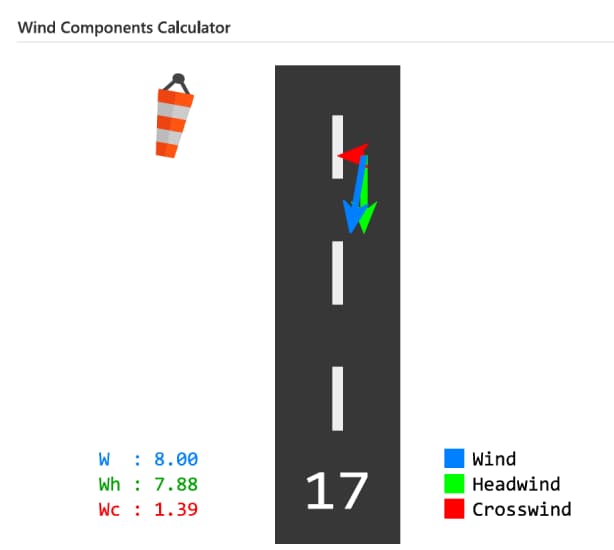
Conditions at Llano Municipal Airport (AQO) were deceptively straightforward: clear skies, 10 miles visibility, and a dry 4,202-foot asphalt runway. The winds were reported at 8 knots out of 180 degrees for the landing on runway 17.
The Landing That Got Away
The flight instructor, a 20-year-old commercial pilot with instructor ratings for single and multi-engine airplanes, had logged 652 total flight hours. But crucially, only 20 of those were in tailwheel aircraft—and just 9 hours were spent giving tailwheel instruction.
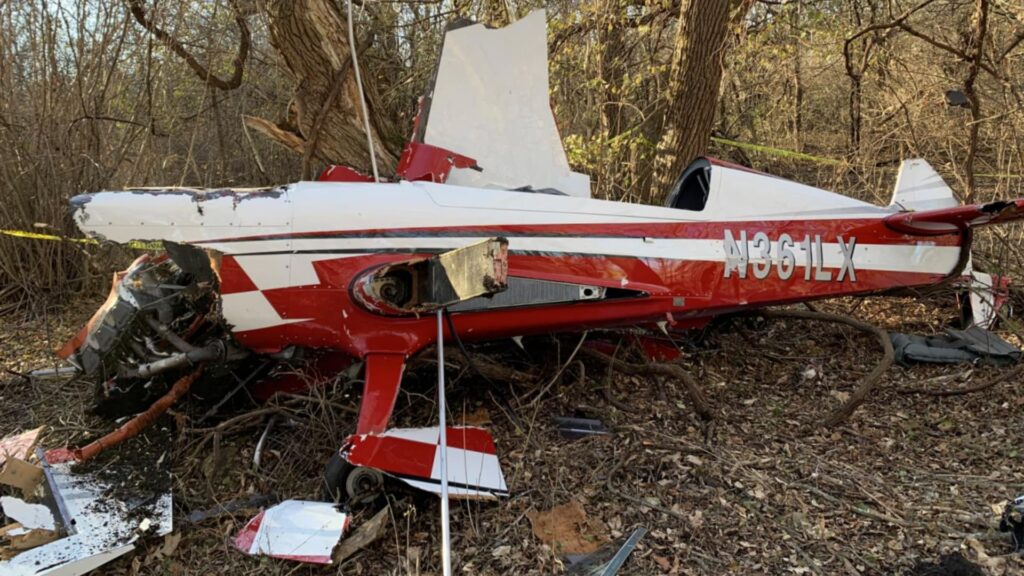
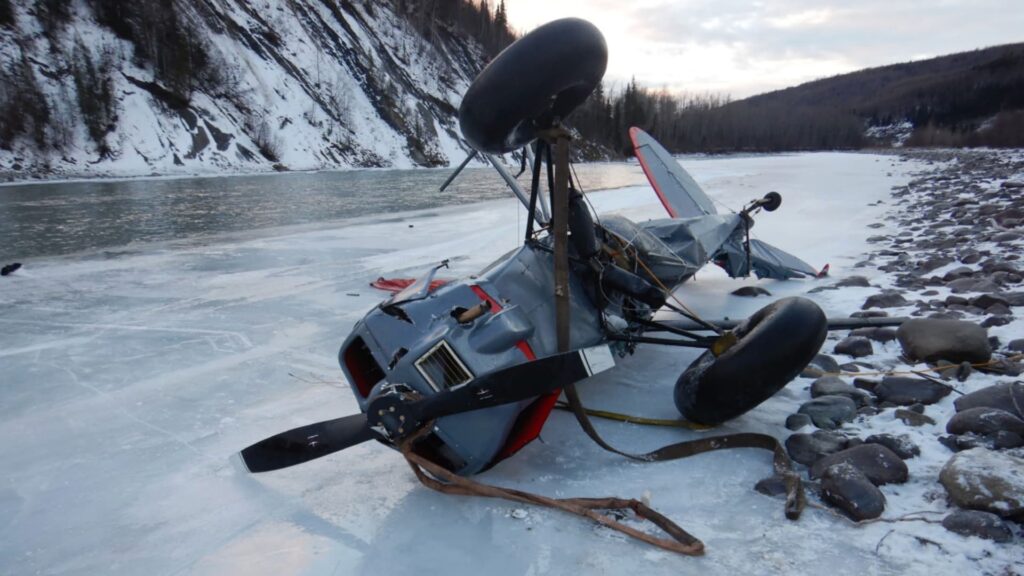
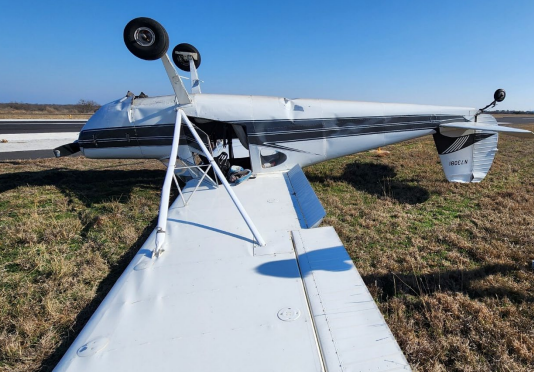
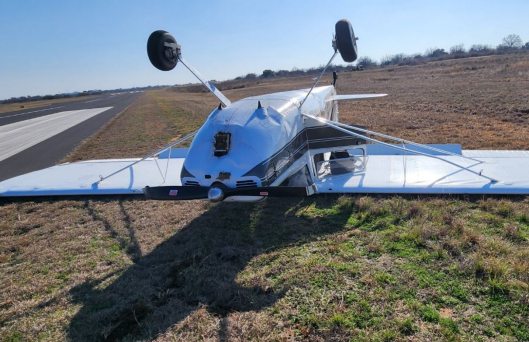
As he demonstrated a landing, the airplane touched down uneventfully. But during the rollout, things unraveled fast. The Cessna veered, a classic ground loop ensued, and the aircraft exited the runway to the right, flipping inverted onto a grassy field.
Miraculously, both pilots walked away without injuries. The Cessna, however, suffered substantial damage to its fuselage, right wing strut, and empennage.
About the Pilots
Instructor:
- Certificate: Commercial Pilot; Flight Instructor (Single- and Multi-Engine)
- Total Flight Time: 652 hours
- Tailwheel Time: 20 hours (9 hours of tailwheel instruction)
- Time in Type (Cessna 140): 10 hours
- Age: 20
Receiving Instruction:
- Certificate: Commercial Pilot; Flight Instructor (Single-Engine and Instrument)
- Total Flight Time: 315 hours
- Time in Type: 9 hours
- Age: 19
While both pilots were young and certified instructors, their limited experience in this specific aircraft—combined with dynamic weather—set the stage for a mishap that could’ve ended far worse.
What Went Wrong
There were no signs of mechanical failure. The instructor was upfront in the aftermath: he lost directional control during the rollout. In hindsight, he admitted the accident might have been avoided had he gained more tailwheel experience—ideally under the guidance of a more seasoned instructor. At the time of the landing, the flight instructor reported the wind condition was “variable and gusty.”
The NTSB pointed to several contributing human factors, all centered on the instructor:
- Failure to maintain directional control
- Inadequate performance and decision-making
- Gaps in task monitoring and vigilance
Their final call? The defining event was a loss of control on the ground. The probable cause: the instructor’s failure to maintain directional control during landing, leading to a ground loop and runway excursion.
The Bigger Picture
Tailwheel aircraft, often seen as relics of a bygone era, still play a key role in aviation. They’re nimble, charming, and make for excellent training platforms. But they also demand a refined set of skills—especially during takeoff and landing. Ground loops, while rarely deadly, can happen in a flash and often carry steep consequences in terms of aircraft damage.
For pilots, particularly instructors, this accident underscores a few key takeaways:
- Respect the wind. Gusty conditions can amplify small errors, especially in taildraggers.
- Know your limits. Logging hours is one thing—gaining meaningful, quality experience is another.
- Train up. Even instructors need instructors, especially when transitioning to a new aircraft type.