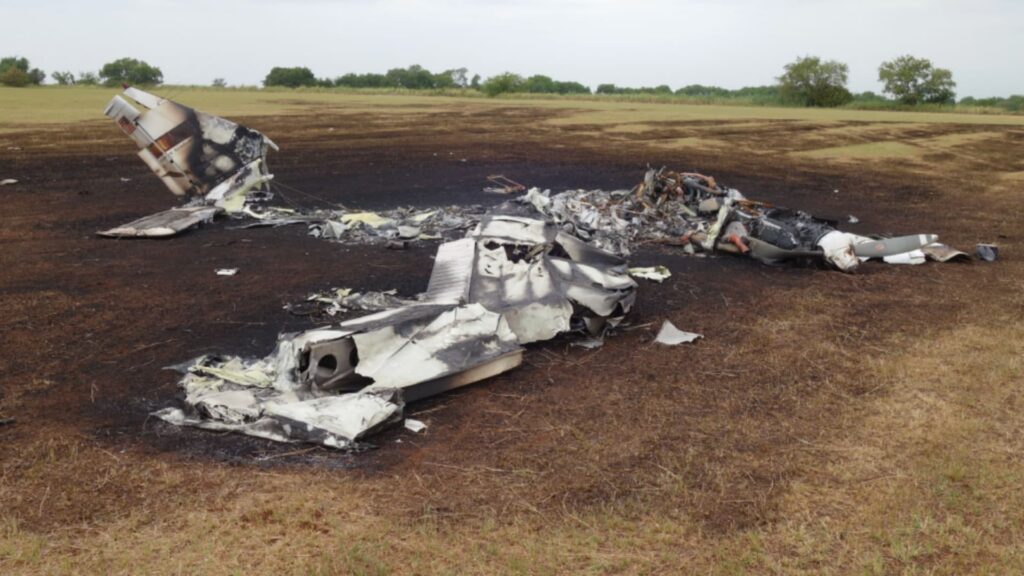
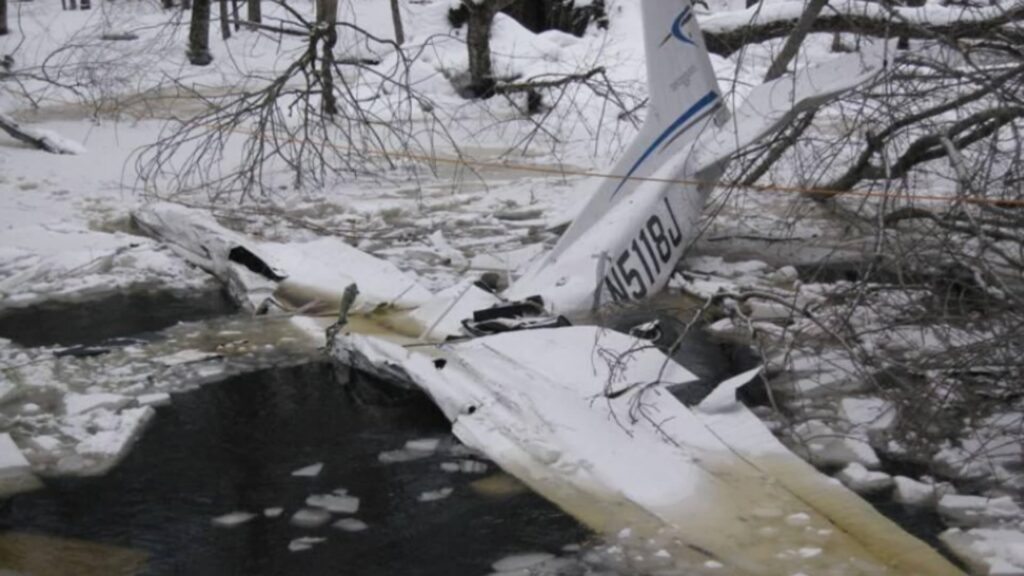



On January 4, 2010, a brand-new Cessna 172S, registration N5118J, departed Bangor International Airport in Maine on what was planned to be the first leg of a transoceanic ferry flight. The destination that morning was Goose Bay, Newfoundland, a common staging point for aircraft crossing the North Atlantic. Less than an hour after takeoff, the airplane impacted the Penobscot River near Greenbush, Maine. The commercial pilot, the sole occupant, was fatally injured. The National Transportation Safety Board later determined that the accident stemmed from a combination of weather, aircraft loading, and human decision-making .
The Pilot and the Mission
The pilot was 77 years old and held both commercial and private pilot certificates, with ratings that included single-engine land, single-engine sea, multiengine land, and instrument airplane. He was highly experienced, reporting more than 14,000 hours of total flight time, with roughly 9,500 hours in single-engine airplanes and about 2,000 hours in instrument meteorological conditions. This was not a low-time or inexperienced aviator.
The flight itself was a ferry operation conducted under Part 91. The airplane had been flown from Kansas to Bangor without incident. At Bangor, an auxiliary fuel tank was installed to give the aircraft the range needed for an eventual Atlantic crossing. The pilot’s ultimate goal was to deliver the airplane to a customer overseas. Complicating matters was significant personal pressure. Multiple witnesses reported that the pilot was anxious to get home to the United Kingdom because his daughter was scheduled for surgery, and his wife had recently been involved in a minor car accident. That context matters when we look at the decisions made on the day of the accident.
An Overweight Airplane with Special Limitations
The auxiliary fuel tank dramatically changed the airplane’s operating profile. With the ferry tank installed and filled, the Cessna’s takeoff weight was calculated at 3,315 pounds. That was roughly 30 percent above the standard maximum gross weight of 2,550 pounds listed in the pilot’s operating handbook. This increased weight was approved under a special airworthiness certificate issued specifically for the ferry flight.
However, that approval came with operating limitations. One of them was explicit: the aircraft was to avoid moderate to severe turbulence. The manufacturer had never tested the airplane’s flight characteristics at that weight, and while calculations suggested the center of gravity may have been within limits, it was likely near the aft edge of the envelope. In other words, this was a heavily loaded airplane operating well outside its normal design assumptions, even if it was technically legal under the special certificate.
Weather Along the Route
Weather was the other major factor shaping the flight. The pilot had been weathered in at Bangor for about a week. On the morning of January 4, he filed an IFR flight plan and spoke with a flight service briefer. Three AIRMETs were in effect along the route: one for IFR conditions, one for moderate turbulence below 11,000 feet, and one for moderate icing below 13,000 feet. The freezing level was low, ranging from the surface up to about 2,500 feet.
The pilot acknowledged receiving this information. He asked about cloud tops but did not request additional weather details. Conditions at Bangor included an overcast ceiling around 2,600 feet, gusty northwest winds, and temperatures right near freezing. Witnesses on the ground described light snow and mist at the time of departure.
Taken together, the weather picture showed exactly the kind of environment the ferry flight limitations warned against.
Departure and Early Climb
The airplane departed Bangor at about 10:18 local time under IFR. Approximately 20 minutes later, the flight checked in with Boston Center, climbing through 6,000 feet and initially requesting 9,000. Almost immediately, the pilot began to scale back those plans. He asked to stop the climb at 7,000 feet, then soon after requested to level off at 6,000 feet instead.
During one exchange with air traffic control, the pilot remarked that the airplane was only climbing at about 50 feet per minute and added, “I’m a bit heavy.” That single comment captured the reality of the situation. The aircraft was struggling to climb, likely due to a combination of excess weight, icing, and turbulence.
Trouble in the Clouds
Within minutes, controllers noticed the airplane having difficulty maintaining altitude. When asked about the situation, the pilot reported severe turbulence and control difficulties. Air traffic control offered a return to Bangor, and the pilot agreed.
As the airplane reversed course, the situation continued to deteriorate. The pilot later told Bangor Approach that the airplane was experiencing extreme turbulence, with bank angles reaching 90 degrees. That is a striking statement and suggests a serious loss of control rather than routine bumps.
The controller attempted to help by assigning altitudes and even pointing out a nearby closed airport as a possible landing option. Unfortunately, the airplane continued descending.
The Final Moments
Radar data showed the Cessna descending from 6,000 feet down through 2,000 feet after the course reversal. The last recorded radar return showed the airplane at about 1,200 feet mean sea level, just moments before contact was lost.
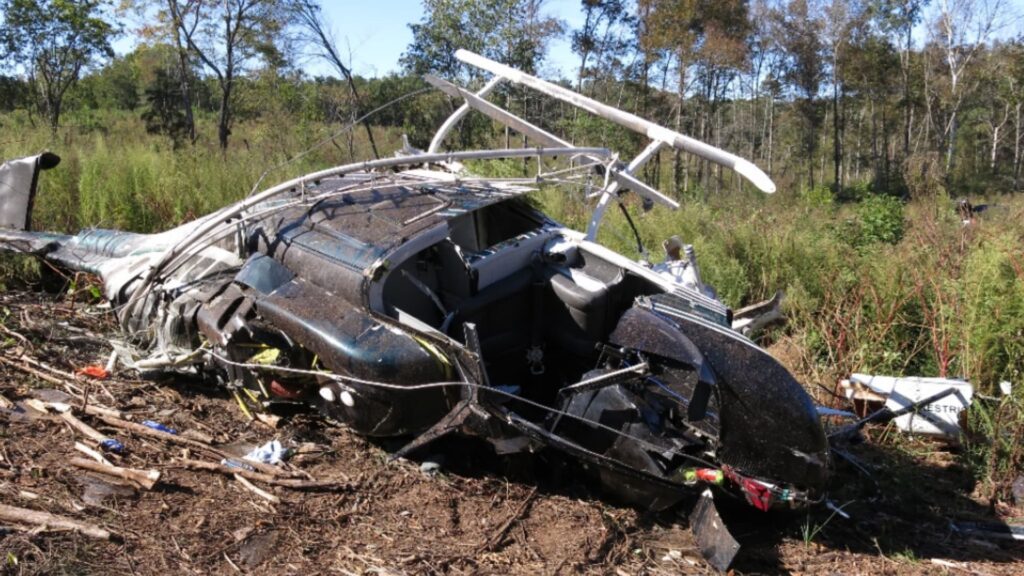
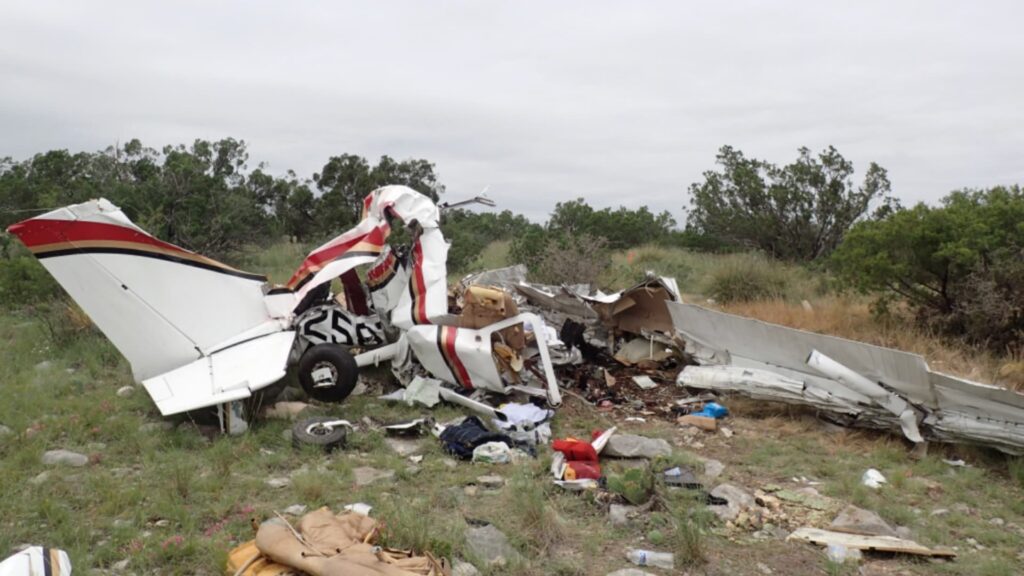
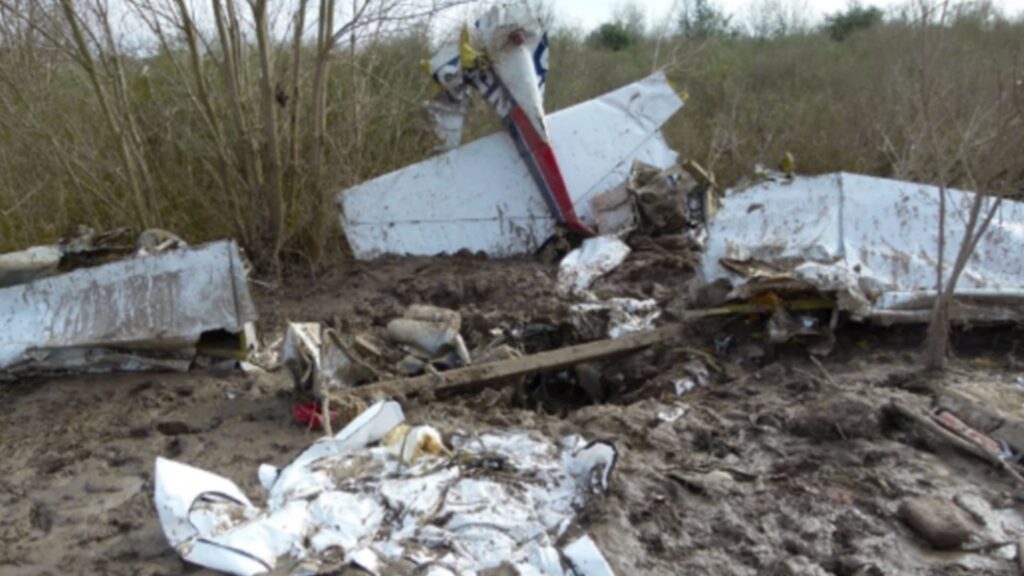
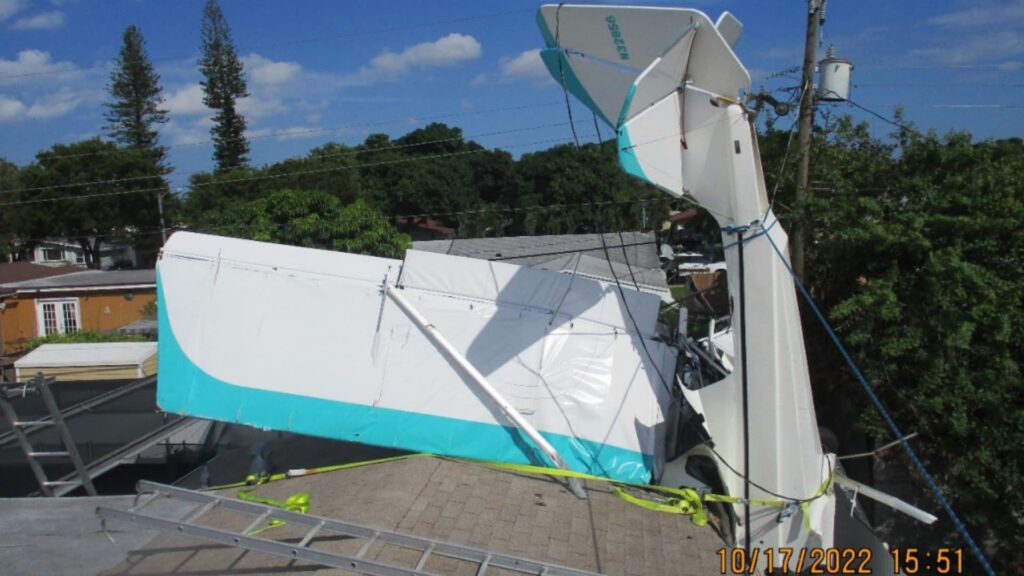
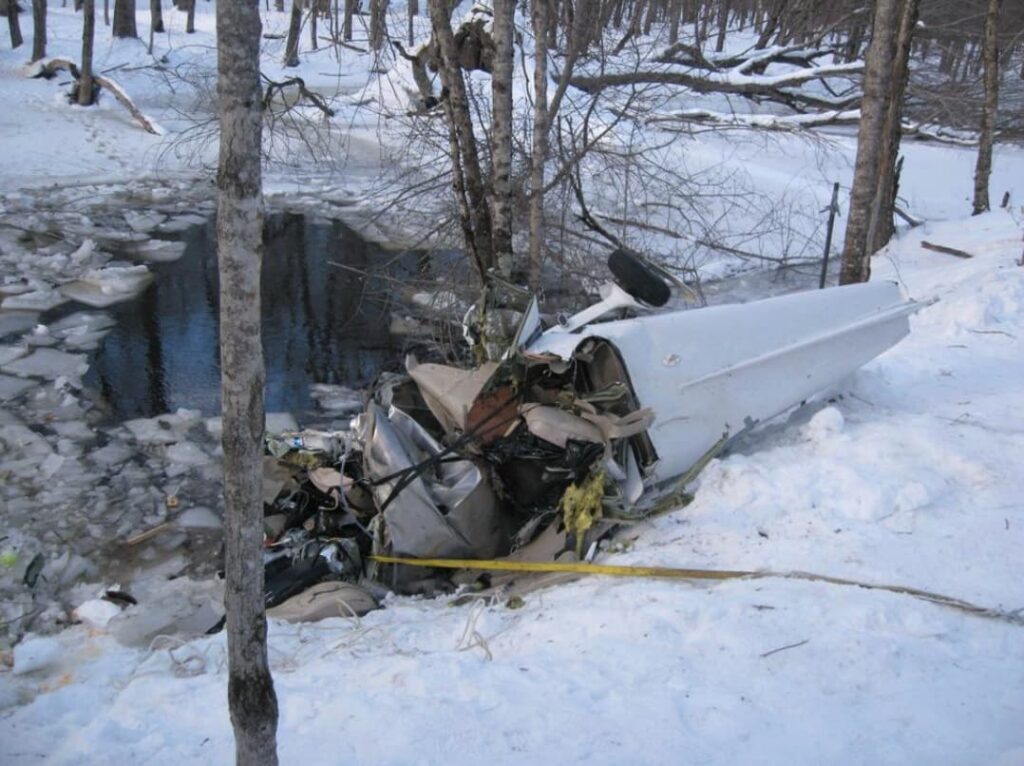
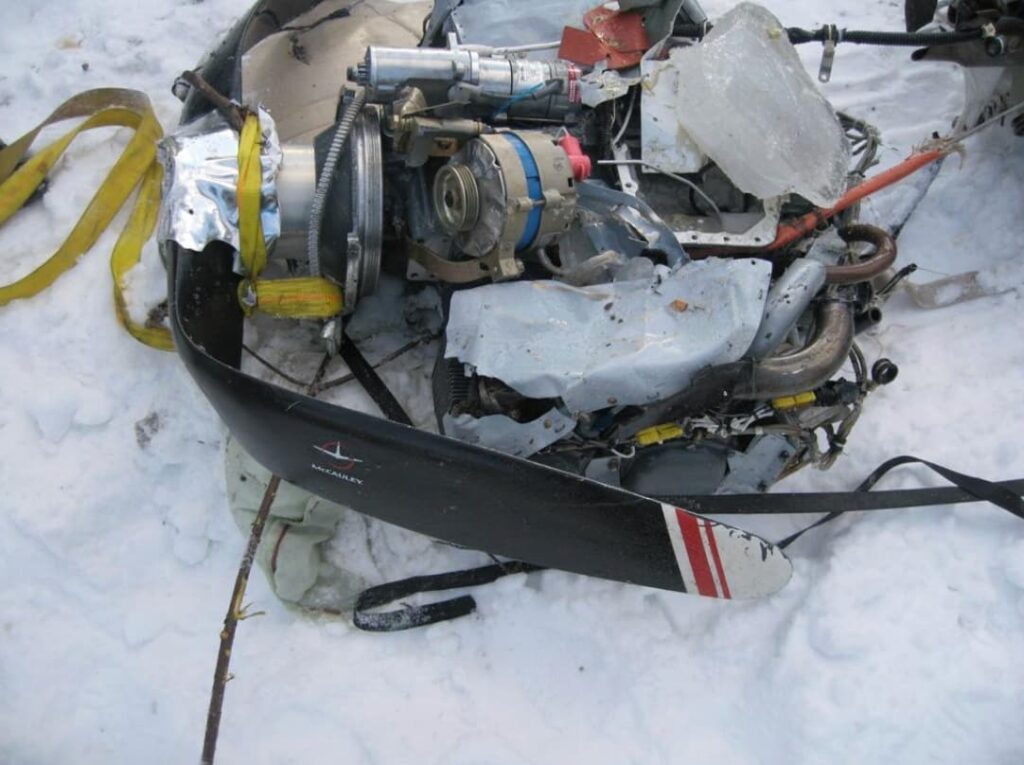
A witness near the accident site reported seeing the airplane fly overhead just 100 to 200 feet above the ground. The engine was still running continuously. Shortly afterward, the airplane impacted the ice-covered Penobscot River near Olamon Island.
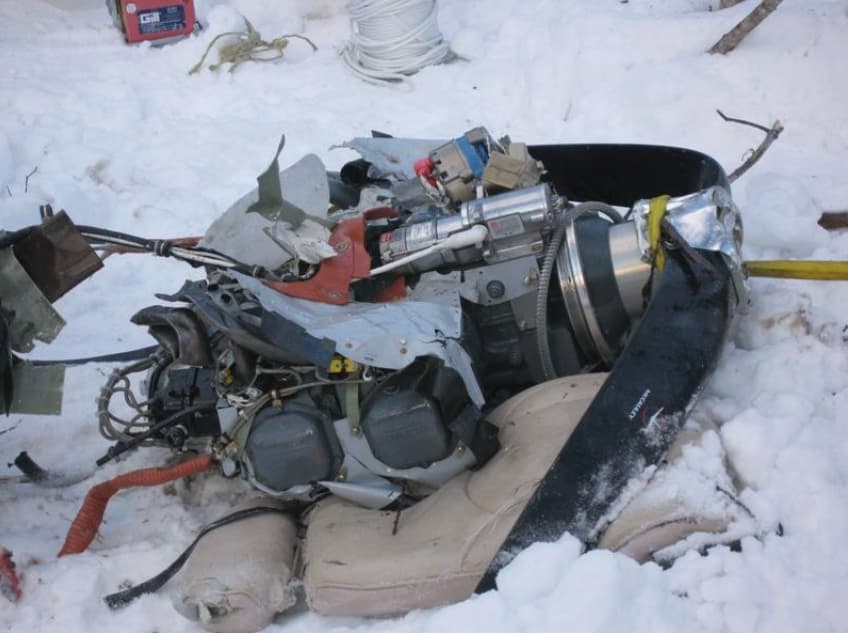
The wreckage examination found no evidence of a preimpact mechanical failure. The engine showed signs of producing power at impact, and flight control continuity issues were attributed to impact forces and the recovery process rather than an in-flight failure.
What the Investigation Found
The NTSB concluded that the probable cause of the accident was the pilot’s improper decision to attempt a transoceanic ferry flight in turbulent and icing conditions with an overweight airplane. The aircraft was not approved for moderate turbulence and was not equipped with deicing systems. Contributing to the accident was the personal pressure the pilot felt to return home.
This was not an accident caused by a lack of skill or experience. Instead, it was a case where experience may have bred confidence that outweighed caution. The pilot knew the weather. He knew the airplane was heavy. He even acknowledged it on the radio. Yet the flight launched anyway.
Safety Lessons to Take Away
There are several clear lessons here. First, special approvals and ferry permits do not change the laws of physics. Operating an airplane 30 percent over its normal maximum weight dramatically reduces performance margins, especially in icing and turbulence.
Second, weather limitations matter. AIRMETs are often treated casually, but in this case they described conditions that aligned exactly with the airplane’s operating restrictions. Ignoring them removed what little margin the flight had.
Finally, personal pressure is a powerful force. Even highly experienced pilots are vulnerable to get-there-itis, especially when family concerns are involved. Recognizing that pressure and being willing to delay or cancel a flight is one of the hardest but most important skills in aviation.
This accident serves as a reminder that good decision-making is just as critical as stick-and-rudder skills. When margins are thin, every risk stacks on top of the next, and eventually there is nothing left to absorb the unexpected.