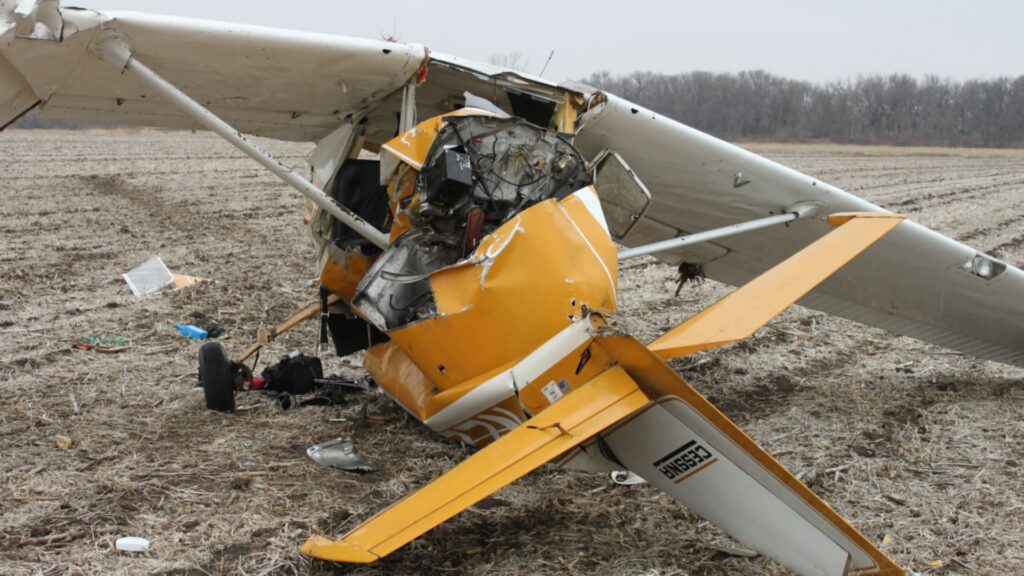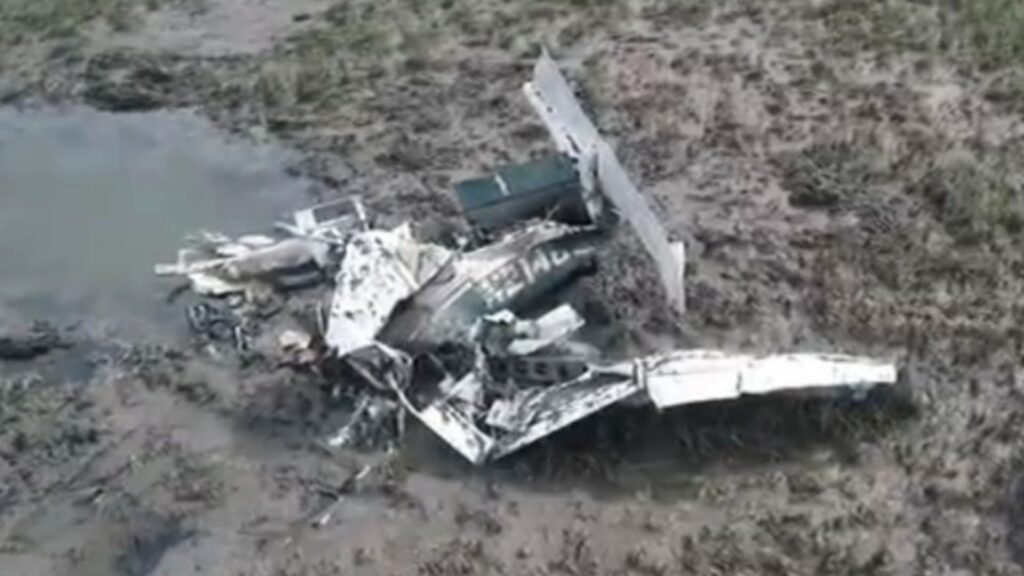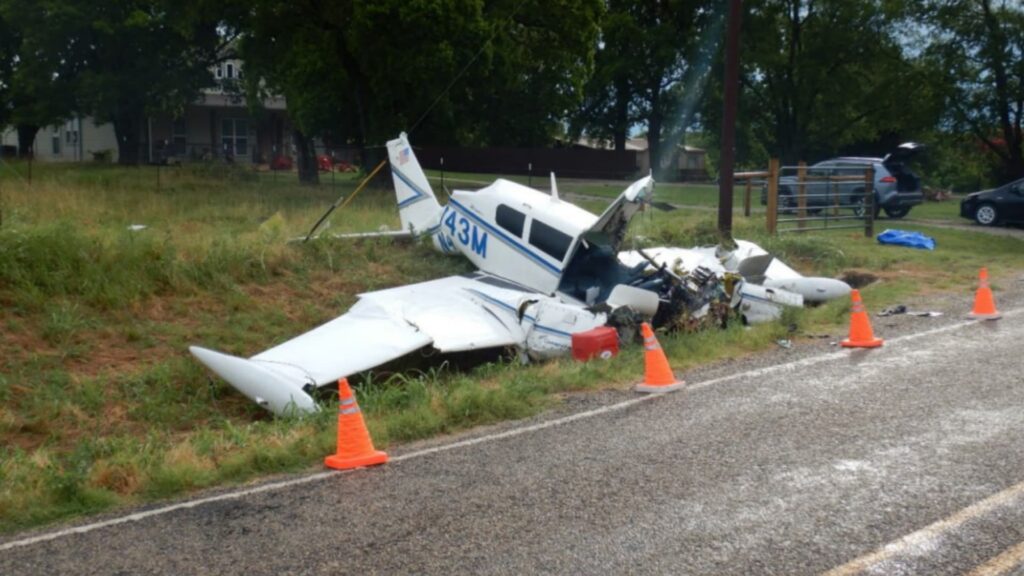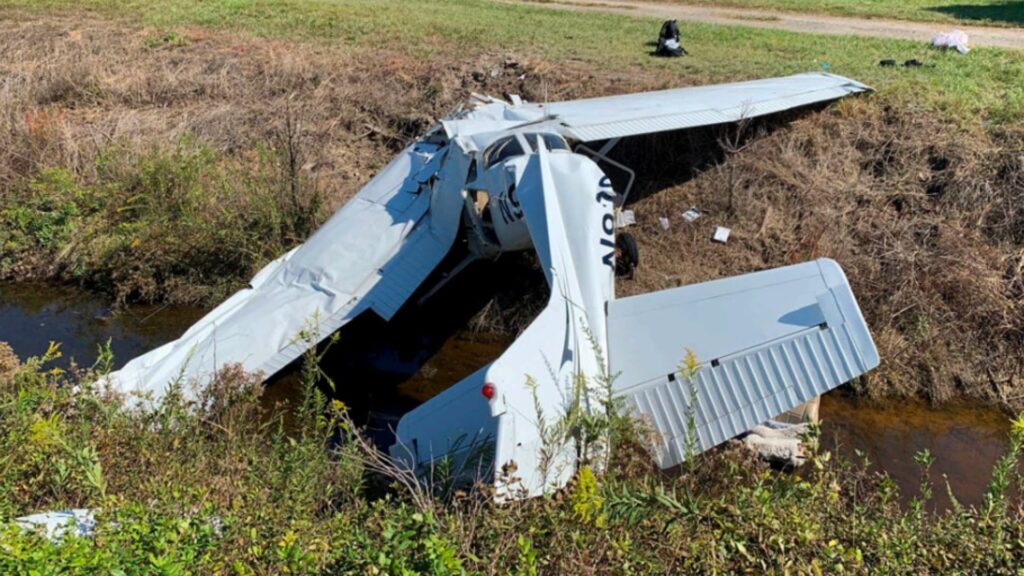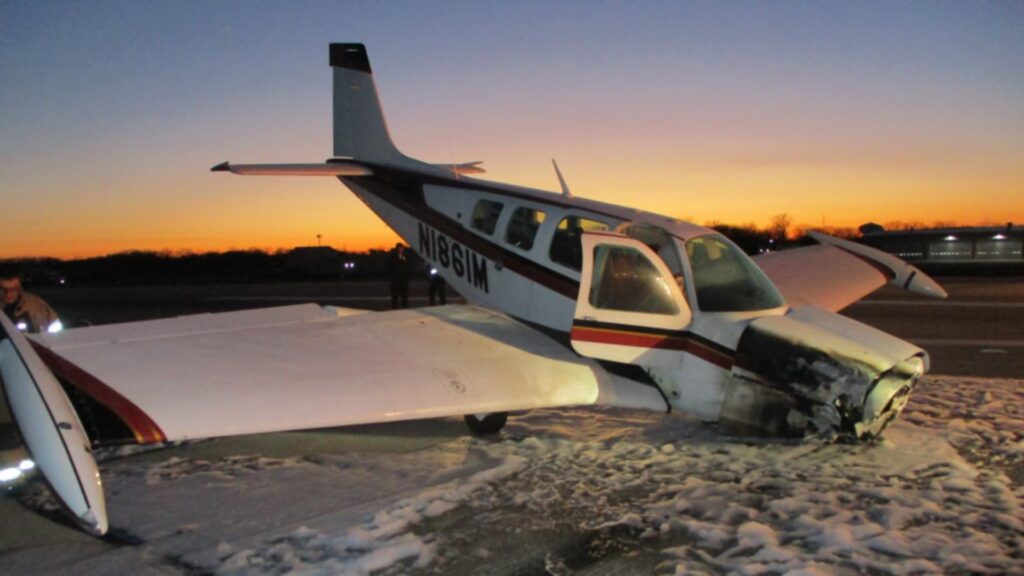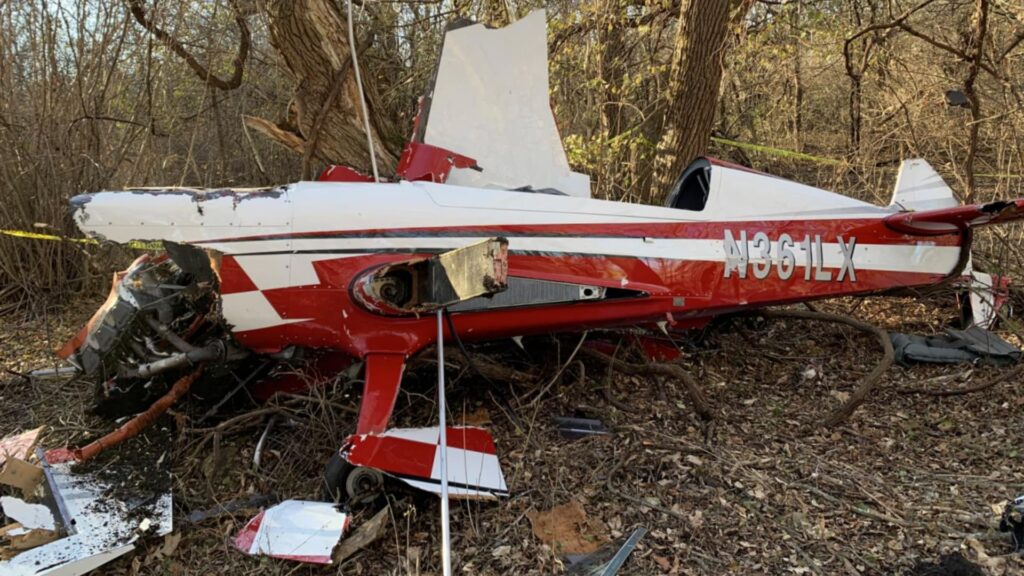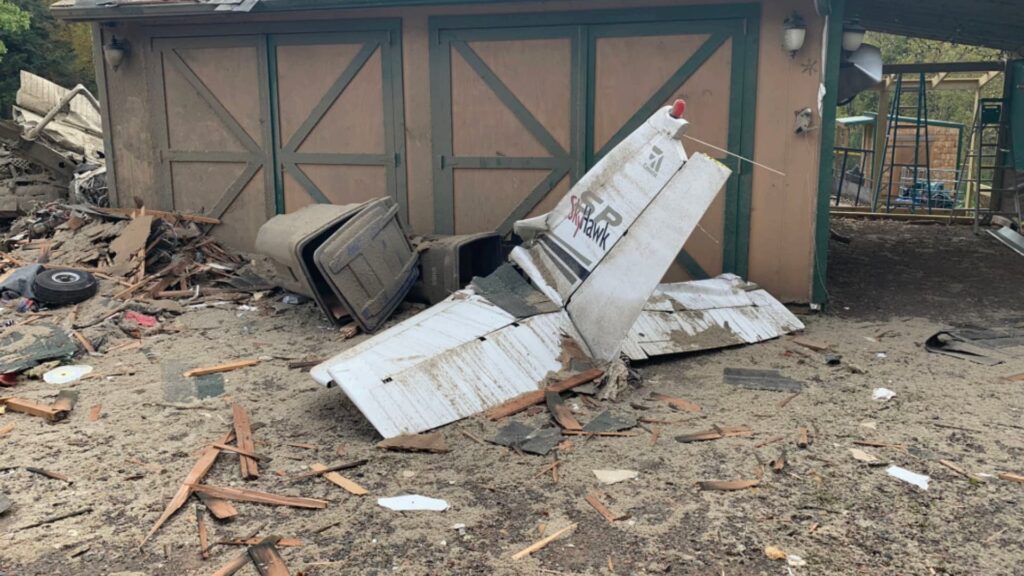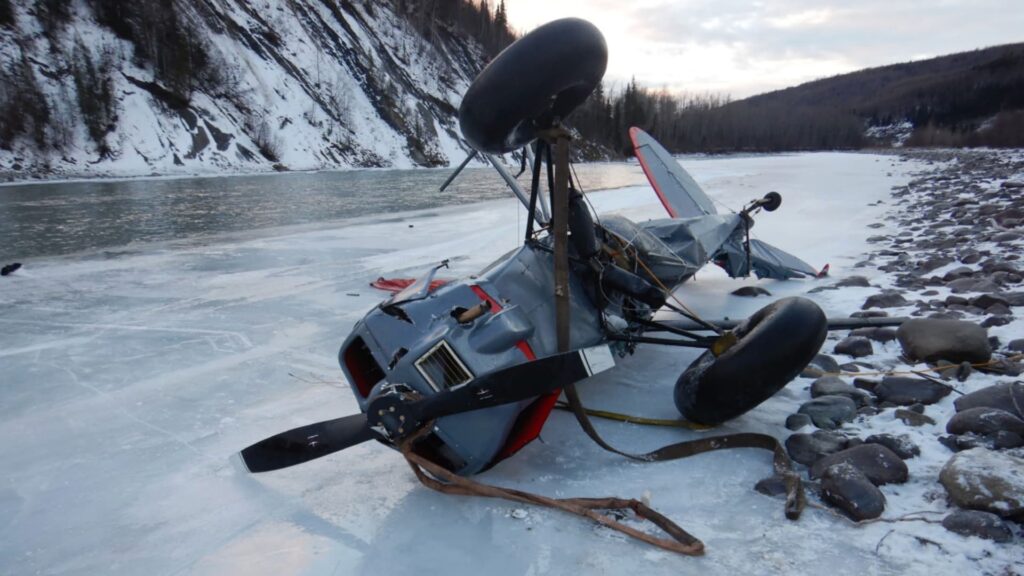
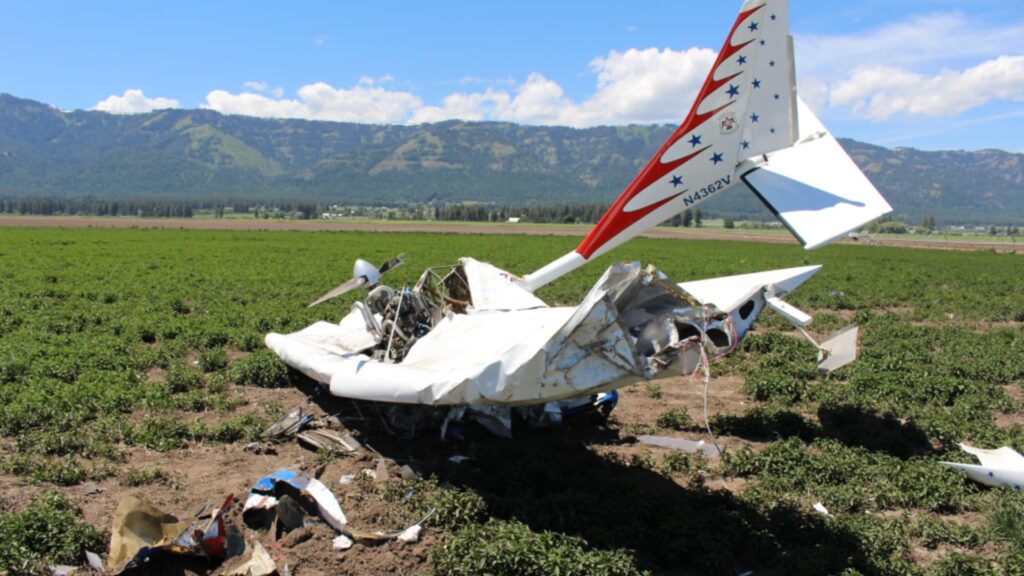



On a clear June evening in 2019, an experimental Titan II, N4362V, was flying low over open fields near Summerville, Oregon. Witnesses on the ground watched as the airplane climbed steeply, dove back toward the ground, leveled just above the surface, and then did it again. On the fourth maneuver, the sequence ended in an aerodynamic stall, spin, and fatal impact. According to the NTSB’s final report, there were no weather issues, no mechanical failures, and no hidden gotchas in the aircraft systems. This one came down to energy management, angle of attack, and decision-making at low altitude.
Who Was Flying N4362V
The pilot was a 29-year-old man who, importantly, did not hold any FAA pilot certificate or medical. The NTSB pilot information table listed “Certificate: None” and “Airplane rating(s): None,” along with no instrument or instructor ratings. There was no record of logged flight time, either total time or time in type, and his family told investigators he did not keep track of any flight hours at all. In other words, whatever experience he had was informal and undocumented.
He also sat in the rear seat of the two-place Titan II, with no second pilot on board. From an operational standpoint, that meant he was flying a relatively high-performance experimental aircraft, from the back seat, without the foundation of formal training, checkrides, or proficiency checks that most of us build our flying careers on. That context matters when we look at what he chose to do in the minutes leading up to the crash.
A New Airplane and Very Little Time in It
N4362V was an amateur-built Titan II, a two-seat, tricycle-gear, experimental airplane powered by a Rotax 912UL engine. The airworthiness certificate was “Experimental – Special,” and the airplane had been completed back in 2010. It was not a factory-built trainer; it was a kit-built sport machine designed to perform well, but it demanded respect.
Family members told investigators that the pilot had recently purchased the airplane and had just finished assembling it three days before the accident. The mishap flight was reportedly his third flight since completing assembly. That means he was still very early in the familiarization phase with this airplane: learning sight pictures, pitch responses, power-to-performance relationships, and stall behavior, all while flying without a certificate or documented training.
We do not know how much time he had in other aircraft, but we do know he had essentially no formal path into this airplane. No transition training, no supervised test program, no recorded flight review. Just a new experimental and a pilot figuring it out on his own.
Weather, Environment, and Setup
From the weather table on page 4 of the report, conditions could not have been much better. At the nearest reporting station, 12 nautical miles away, the sky was clear, visibility was 10 miles, winds were light out of 290 degrees at 3 knots, and the temperature-dew point spread suggested no immediate risk of fog or low clouds. This was a VMC, daylight flight in Class G airspace – the kind of environment where most of us would feel relaxed and comfortable.
The airplane departed and returned to La Grande, Oregon (LGD), with no flight plan and no ATC services, which is normal for this kind of local Part 91 personal flight. The accident site itself was a flat, open field – no trees or structures forcing a low-level operation. This was, from a terrain and weather standpoint, a forgiving place to fly.
The Low-Altitude Show
The trouble came from how the airplane was being flown. Multiple witnesses described the aircraft flying “treetop or powerline level” over the area. One witness watched the airplane climb “straight up” about 300 feet, then dive toward the ground and level off about 50 feet AGL. The pilot repeated this sequence three times. Another witness reported the pilot was “gunning the engine hard, then backing off” during these maneuvers.
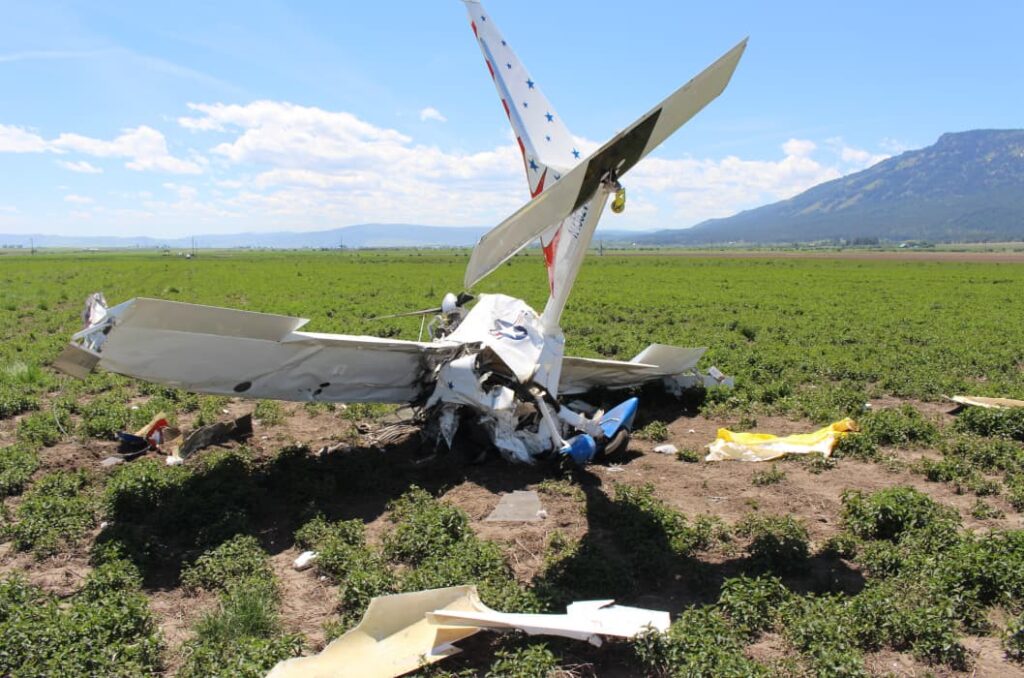
On the fourth climb, everything changed. At the top of that steep climb—again, around 300 feet AGL—the airplane aerodynamically stalled, rolled and spun to the left, and descended into the field. There was no altitude available to recover from a stall/spin event; the aircraft impacted terrain and was destroyed, and the pilot did not survive.
From a pilot’s perspective, this profile looked a lot like impromptu aerobatics or aggressive energy-management maneuvers being flown at a height that offered almost no safety margin. At 300 feet, a fully developed stall and entry into a spin is essentially unrecoverable in most light aircraft, especially for someone without stall/spin training and without recent practice.
What Investigators Found – and Didn’t Find
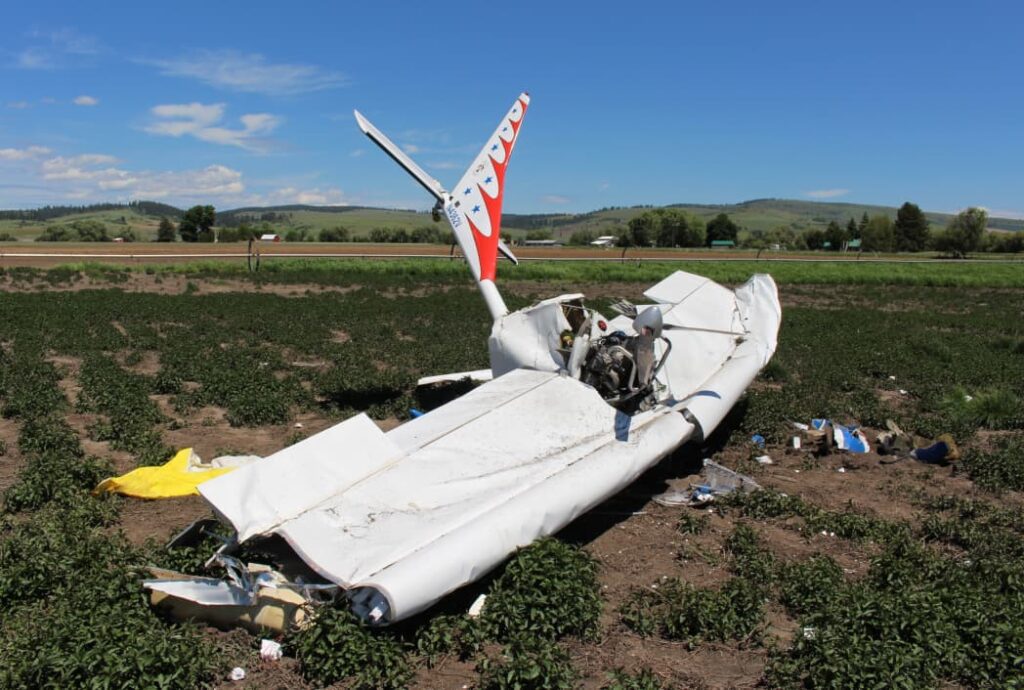
When investigators arrived on scene, they found the wreckage in a flat field with all major structural components present. Control continuity was confirmed to the elevator, ailerons, and rudder. The engine tear-down was uneventful: spark plugs showed normal wear, the crankshaft rotated freely with good valve-train continuity, and compression was present in all four cylinders. The fuel pump, carburetors, and fuel filter did not show any problems or contamination. There was no fire, no explosion, and no evidence of a preimpact mechanical failure.
Toxicology on the pilot came back negative for drugs. This was not a case of impairment, weather surprise, or a hidden mechanical defect. The airplane was capable, the engine was producing power, and the pilot had a clear day and wide-open terrain. The NTSB’s probable cause came down to one thing: the noncertificated pilot exceeded the airplane’s critical angle of attack while maneuvering at low altitude, causing an aerodynamic stall and spin into terrain.
Angle of Attack and the Illusion of Power
From the cockpit, especially in a capable airplane with a strong power-to-weight ratio, it was easy to believe you could point the nose up and just “muscle” your way out of anything with throttle. But aerodynamics did not care about the throttle position; they cared about angle of attack, airspeed, and energy.
In this case, the witnesses described those “straight up” climbs to around 300 feet, followed by aggressive dives and low passes. That pattern suggested high pitch attitudes, large power changes, and big swings in energy state. If the pilot pulled too hard at the top of the climb, even momentarily, the wing would have exceeded its critical angle of attack. As soon as that happened, the airplane would have stalled, and any uncoordinated input—rudder or aileron—could have helped the aircraft roll off into a spin. At 300 feet AGL, there was simply not enough altitude to break the stall, stop the rotation, and recover to level flight.
Human Factors: Overconfidence, Familiarity, and Risk Creep
It was easy to imagine how this flight might have felt from his perspective: new airplane, good weather, open fields, and a couple of earlier flights that had probably gone just fine. That combination often made pilots feel comfortable pushing the envelope “just a little” to see what the airplane could do.
But this pilot did not have the backstop of structured training, stall/spin practice with an instructor, or a culture of conservative test flying after an assembly. He was flying low, aggressively, in a recently assembled experimental aircraft, and doing it with no formal certification. That was a lot of risk stacking up without much margin.
If those first few steep climbs and dives “worked,” it was easy to imagine risk creeping in: “I’ll just do one more,” or “I’ll pull a little steeper this time.” Unfortunately, it only took one pull too far to cross the line from aggressive maneuvering into a full-on stall/spin situation.
Lessons for the Rest of Us
There are some very clear takeaways for certificated pilots reading this accident. First, low-level maneuvering is unforgiving, even in perfect weather and over flat terrain. Any maneuver that has stall or spin potential should be done with altitude in the bank—thousands of feet, not hundreds. If you are close enough to pick out individual fence posts, you are too low to be playing with high pitch attitudes and large energy changes.
Second, a new or newly assembled airplane deserves a structured, disciplined approach. That might mean a formal phase-one test program, transition training with an instructor who knows the type, and conservative early flights focusing on basic handling and systems checks. Treating a fresh experimental like a toy instead of a prototype is a trap.
Third, certification and training matter. They are not just bureaucratic boxes to check; they are a framework that forces us to build skills in stalls, spins, emergency procedures, and risk management before we go off and try to fly at the edges of the envelope. Even experienced pilots get in trouble at low altitude. Take away the experience and the training, and the margins get razor thin.
Closing Thoughts
N4362V’s accident near Summerville was not mysterious. A noncertificated pilot, in a newly assembled Titan II, chose to fly steep, low-level maneuvers with almost no room for error. The airplane did what any wing would do when pushed past its critical angle of attack at low speed: it stalled, entered a spin, and, at that height, there was no recovery.
For those of us flying today, the takeaway is simple but important. Respect angle of attack. Respect altitude. And when you are flying a new or unfamiliar machine, especially an experimental, give yourself the margin you would want a friend or family member to have. The airplane will not warn you when you are one pull away from the edge. That part is up to us.